
 English
 中文简体
中文简体 Español
 عربى
عربى
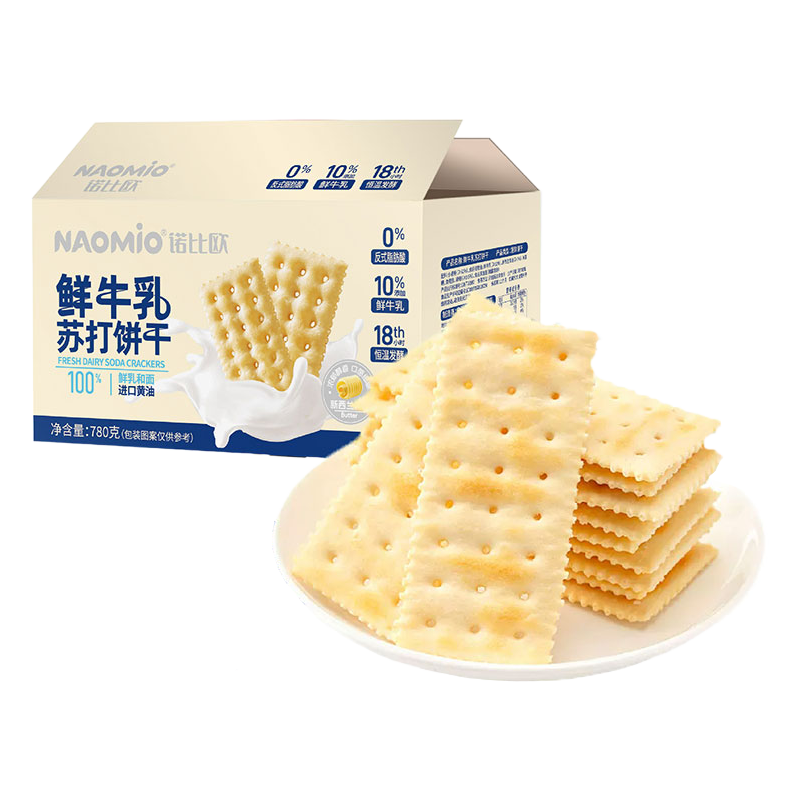
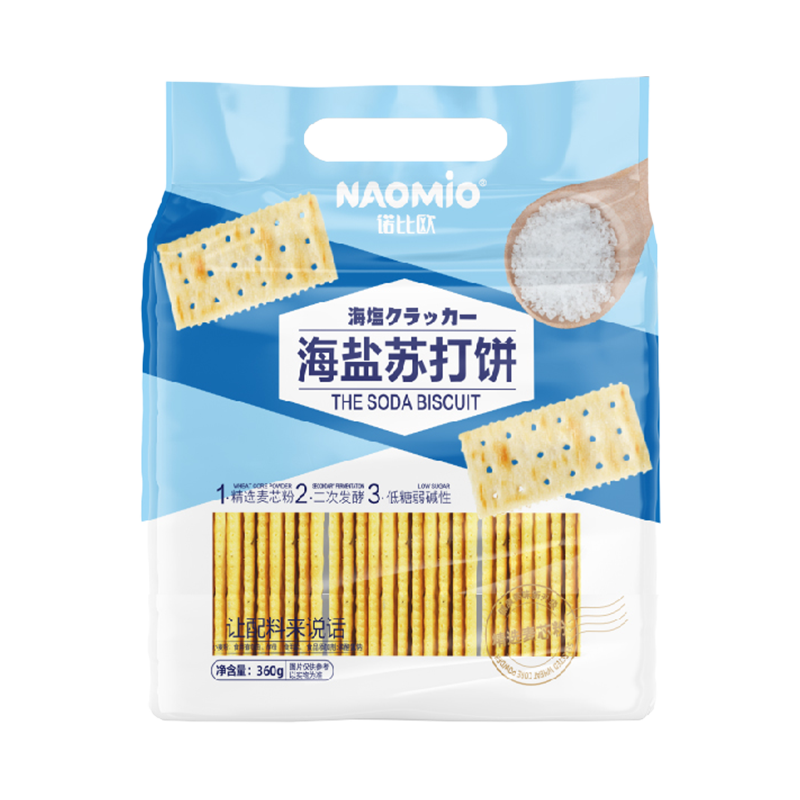
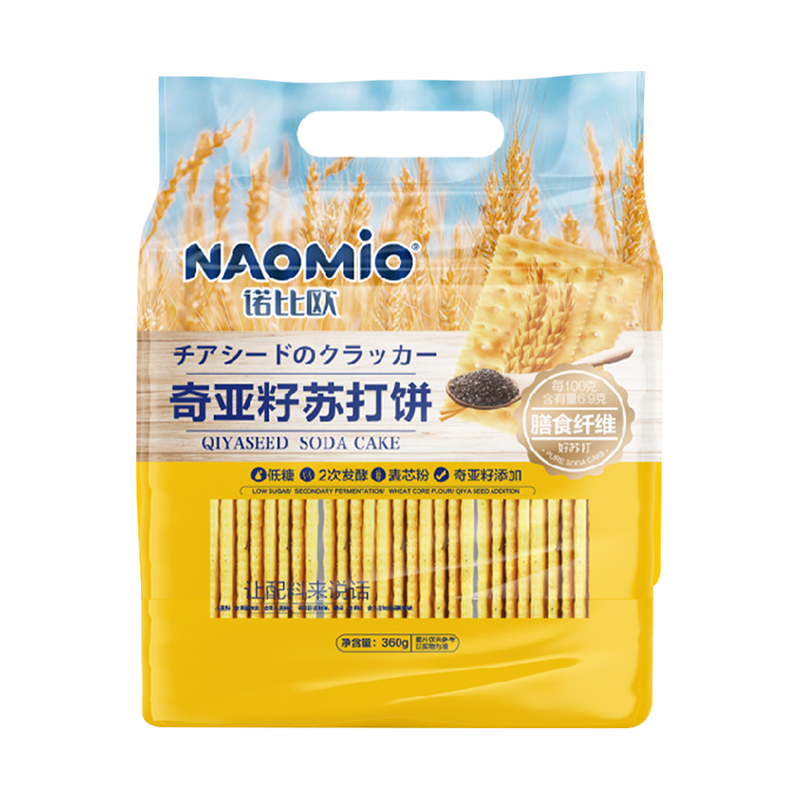
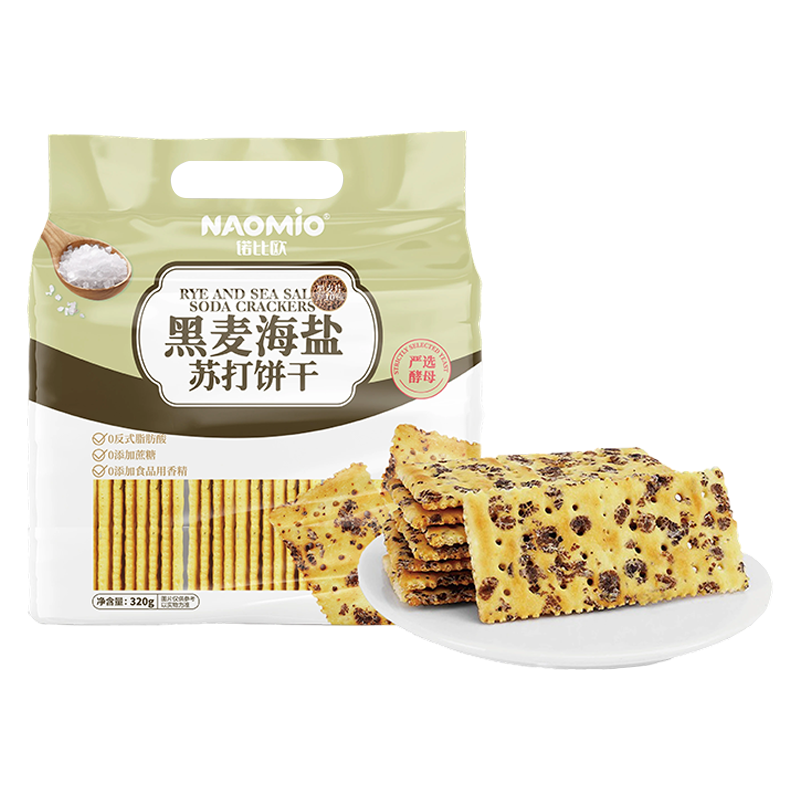
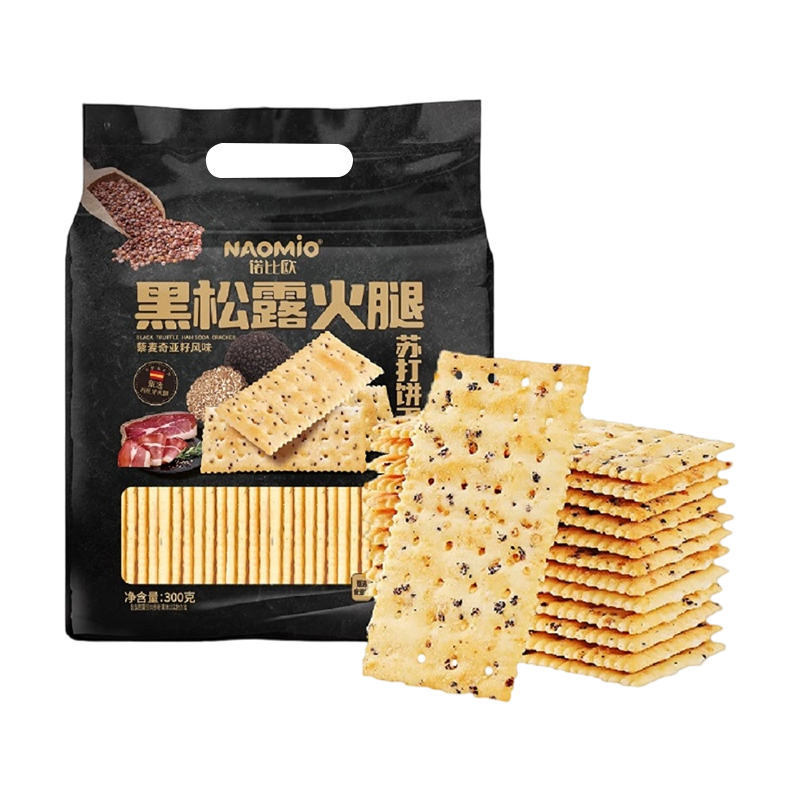
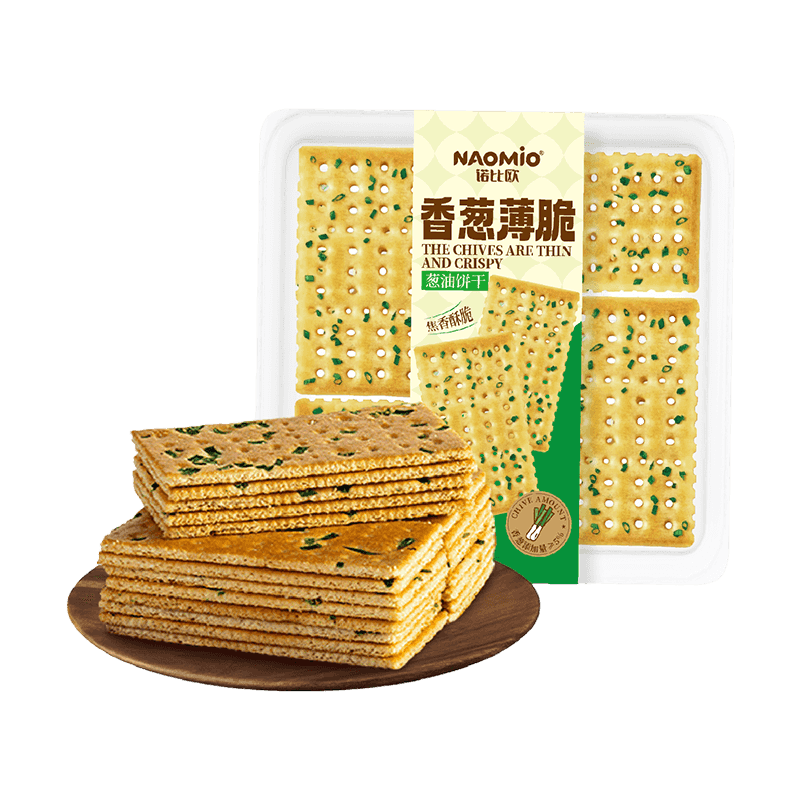
Low-sugar soda crackers are one of the most practical snack choices for people managing blood sugar, following a reduced-carb diet, or simply cutting...
READ MORE
 2026.10.14
 Industry News
Cream crackers have a reputation problem. They are plain, dry, and eaten straight from the sleeve they can taste about as exciting as cardboard. Yet that blandness is exactly the point. A cream cracker is a neutral, crisp platform: it carries butter without turning soggy, holds a slice of cheese without bending, and snaps cleanly under a spoonful of jam. Learning how to eat cream crackers well has very little to do with the cracker itself and almost everything to do with what goes on top, how much you add, and the order you build it in.
We have been baking biscuits for a long time, and the most common mistake we see is people treating a cream cracker as a finished snack rather than the base of one. Give it two minutes of attention and it becomes one of the most versatile things in your cupboard.
Cream crackers are simple by design: flour, fat, salt and a little yeast, rolled thin and baked until the moisture is nearly gone. That is why they stay crisp for weeks and why they taste so mild. But not every cracker behaves the same way in the hand.
A thin, brittle cracker shatters under pressure, which makes it wonderful for light toppings and hopeless under a heavy scoop of tuna mayonnaise. A firmer, denser soda-style cracker can take a generous spread without cracking in half. Before you open the fridge, decide what the topping weighs and how wet it is, then choose accordingly. If you are curious about the mechanics behind that snap, our notes on what actually makes a thin biscuit crisp explain how moisture, fat and oven time shape the final bite.
This is the classic for good reason, and it is where most people go wrong. Cold butter tears a cracker apart. Leave your butter out until it spreads like soft cream cheese, then use a thin, even layer with a light sprinkle of flaky salt. The contrast between salty butter and a dry, plain cracker is the whole pleasure.
Add cheese and you have a proper snack. A sharp cheddar, a slice of brie at room temperature, or a spoon of soft goat cheese all work. A dab of mustard, a cornichon or a small spoon of onion chutney cuts through the richness. Keep the cheese thin, roughly the same thickness as the cracker, or the base will disappear under it.
Once you have the balance of salt, fat and something sharp, cream crackers stop being plain and start being a delivery system. These combinations work every time:
The rule is simple: anything wet goes on last, and only just before you eat it. A tomato slice with salt is delicious for about sixty seconds, then the cracker gives up.
Cream crackers are not only a savory base. Their dryness and faint salinity make sweet toppings taste brighter, and they hold up better than most people expect.
Keep sweet toppings slightly thinner than you would on toast. Sugar pulls moisture out of the air, so a heavily loaded cracker softens faster than a savory one.
The sandwich method is the fastest way to feed a room. Spread filling across one cracker, place a second on top, and press gently until the filling just reaches the edges. Peanut butter, cream cheese, egg salad and butter with jam all work. The pressure seals the two crackers together, so they stay tidy on a platter.
For something a little smarter, pipe or spoon soft cheese onto the cracker, then add one garnish and stop. A single olive, a curl of salmon, half a cherry tomato, a basil leaf. One topping reads as intentional; four read as a fridge clean-out. Assemble canapés no more than half an hour before serving and keep them cool but not refrigerated, which makes crackers damp.
Cream crackers are a quiet workhorse in cooking, not just snacking. Try these:
Top each cracker with a spoon of tomato paste, a pinch of dried oregano, grated mozzarella and one slice of pepperoni, then bake at 200 degrees Celsius for five to six minutes, until the cheese bubbles. Eat them hot, straight from the tray. This is the fastest party snack we know, and it works with almost anything left in the refrigerator.
Matching the cracker to the topping is the difference between a snack that works and one that collapses. The table below is a quick reference for the combinations we use most often at home.
| Topping style | Cracker texture to choose | Why it works |
|---|---|---|
| Soft butter or cheese spread | Firm, dense soda-style cracker | Carries a generous spread without breaking |
| Sliced cheese, ham or pickle | Thin, crisp cracker | Clean snap and a light bite under heavier toppings |
| Jam, curd or honey | Thin, crisp cracker | Sweetness reads clearly against a plain base |
| Soup and casseroles | Crushed or halved crackers | Adds crunch and thickens without flour |
| Canapés for guests | Uniform, well-shaped crackers | Stack neatly and look tidy on a platter |
The most common mistakes are easy to avoid. Do not overload wet toppings. Do not assemble hours ahead. Do not use fridge-cold butter. Do not skip the sharp element, whether that is mustard, lemon, pickle or vinegar, because fat and salt alone quickly taste flat.
Cream crackers dislike air more than they dislike anything else. Once a sleeve is open, move the crackers into an airtight tin or a sealed bag and keep them somewhere dry, away from the kettle and the stove. The refrigerator is the wrong place; humidity there softens them within a day.
If they have already gone a little chewy, spread them on a baking tray and warm them at 150 degrees Celsius for three to five minutes, then cool completely before eating. They come back surprisingly crisp. For longer storage, freeze them in a sealed bag for up to three months and refresh them in the oven straight from frozen.
If you are stocking up for a week of snacking, cooking and last-minute guests, it helps to keep two or three styles on hand rather than one. A firm, plain cracker is the all-rounder for spreads and cheese. A lighter, crispier one suits canapés and sweet toppings. Something with seeds or whole grains adds interest when you are eating them on their own.
We bake our own range of crisp bases for exactly this reason. Our sugar-free soda crackers, for instance, are made in several styles, from plain salted to chia seed and rye with sea salt, so you can match the cracker to the topping instead of making the topping fit the cracker.
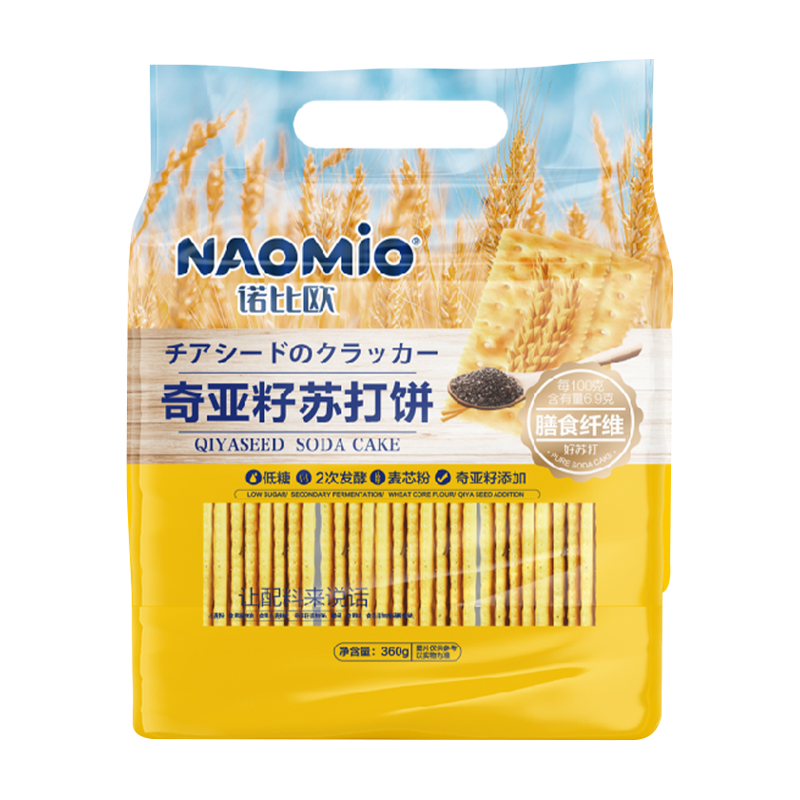 Chia Seed Sugar-Free Soda CrackersPart of a sugar-free soda cracker range, these chia seed crackers use 18-hour fermentation and no added sucrose for a crisp base.View Product →
For savory toppings, a thin cheese cracker gives you a head start: the cheese flavour is already in the base, so a slice of tomato, a curl of ham or a spoon of chutney finishes the job. They are also sturdy enough for the mini pizza trick above.
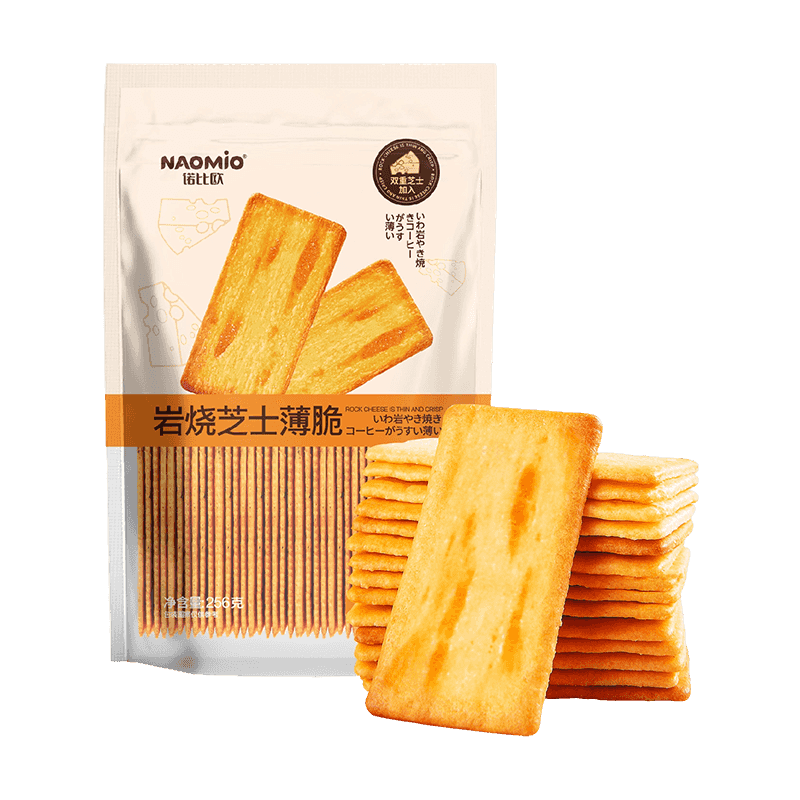 Rock-Baked Cheese Crisps with Imported CheeseThese savory cheese biscuits use imported cheese and a rock-baking process, making a thin, crisp base for toppings or snacking.View Product →
And for the sweet side, a buttery milk biscuit behaves much like a cream cracker but with a rounder, richer flavour, which makes it a natural partner for jam, curd and nut spreads. Keep a pack next to the kettle and dessert is never more than a minute away.
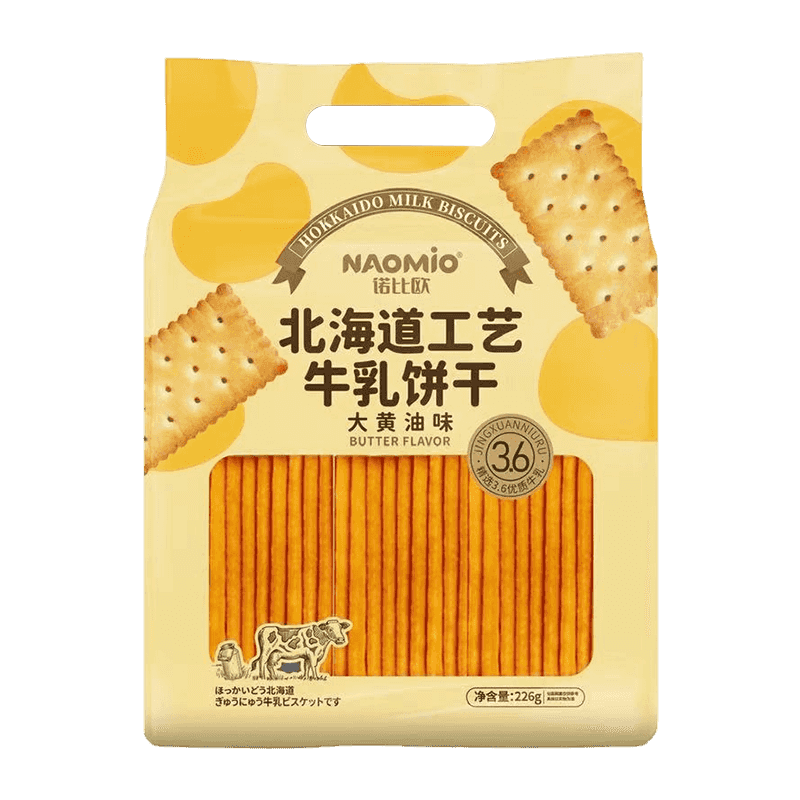 Hokkaido Craft Milk Biscuits with Rich Butter FlavourWith fresh milk, New Zealand butter and no added coloring or flavorings, these ready-to-eat biscuits suit sweet toppings like jam or curd.View Product →
In the end, knowing how to eat cream crackers comes down to three habits: choose a base that matches the weight of your topping, add something sharp to lift the fat and salt, and assemble at the last moment. Do that and a humble, plain biscuit turns into the most useful thing in your kitchen cupboard. If you would like to talk about the crackers themselves, or about supplying them in bulk for your own shelves, our team in Yuyao is always happy to help.
Content
Low-sugar soda crackers are one of the most practical snack choices for people managing blood sugar, following a reduced-carb diet, or simply cutting...
READ MOREAs a professional cracker manufacturer, we hear this question often: how many carbs are in soda crackers? The quick answer is that a standard serving...
READ MORESaltine crackers are produced through a tightly controlled industrial sequence: ingredient mixing, dough fermentation and sheeting, rotary cutting, b...
READ MORETurn over a standard sleeve of soda crackers and you will often find added sugar in the ingredient list, even though the crackers taste savory. Baker...
READ MORE





No. 232 Xinxin Road, Xinxin Industrial Village, Langxia Street, Yuyao City, Zhejiang Province
+(86) 187-6812-9528
