
 English
 中文简体
中文简体 Español
 عربى
عربى
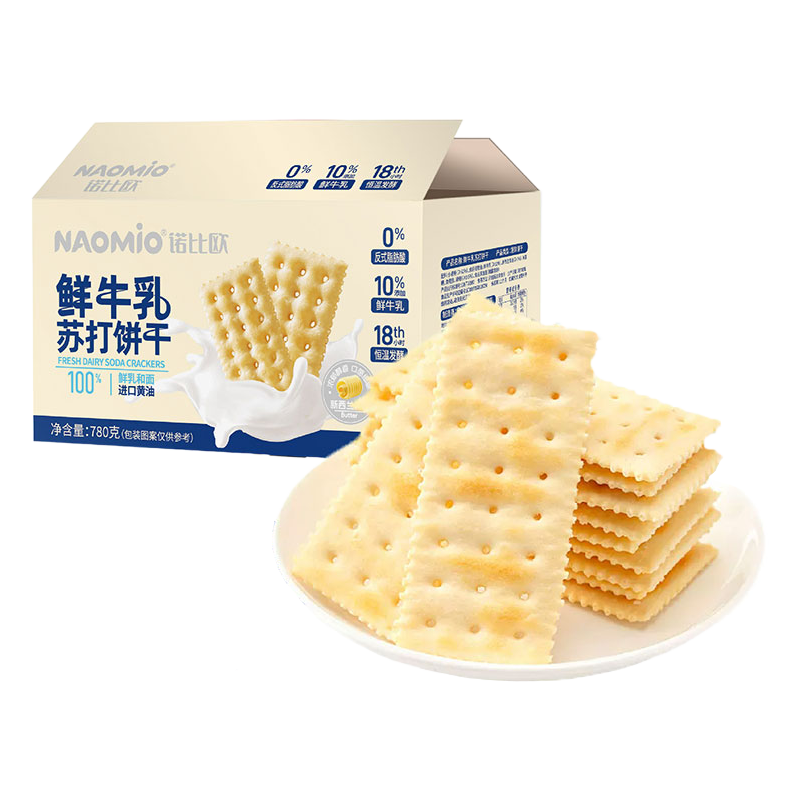
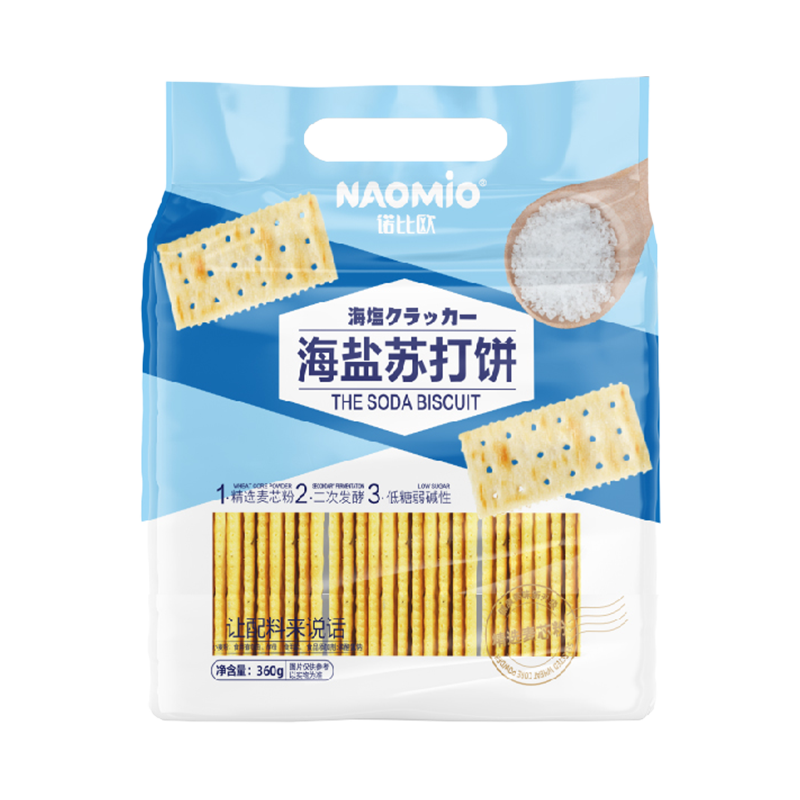
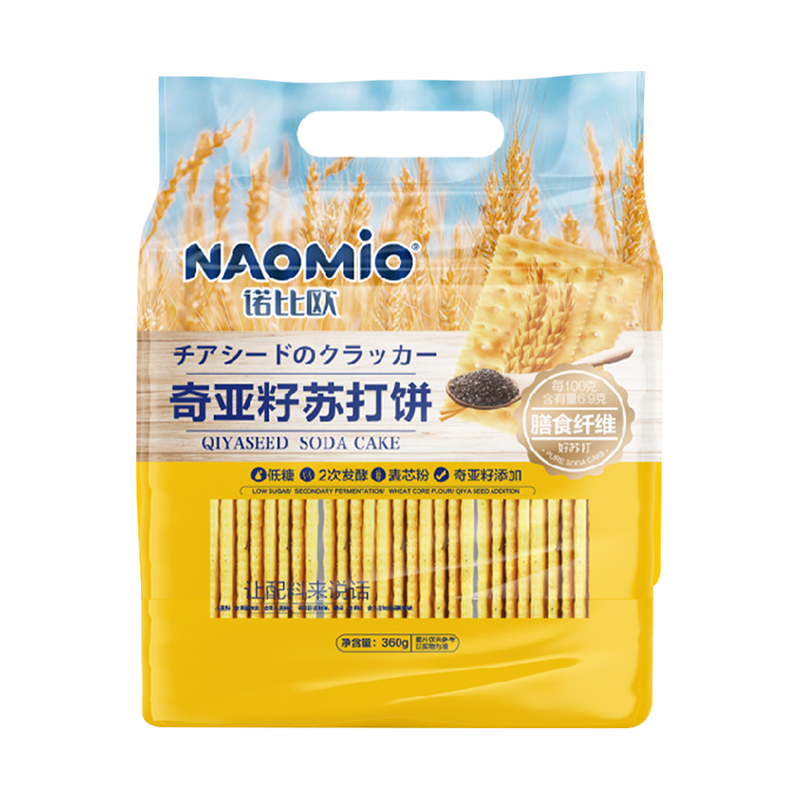
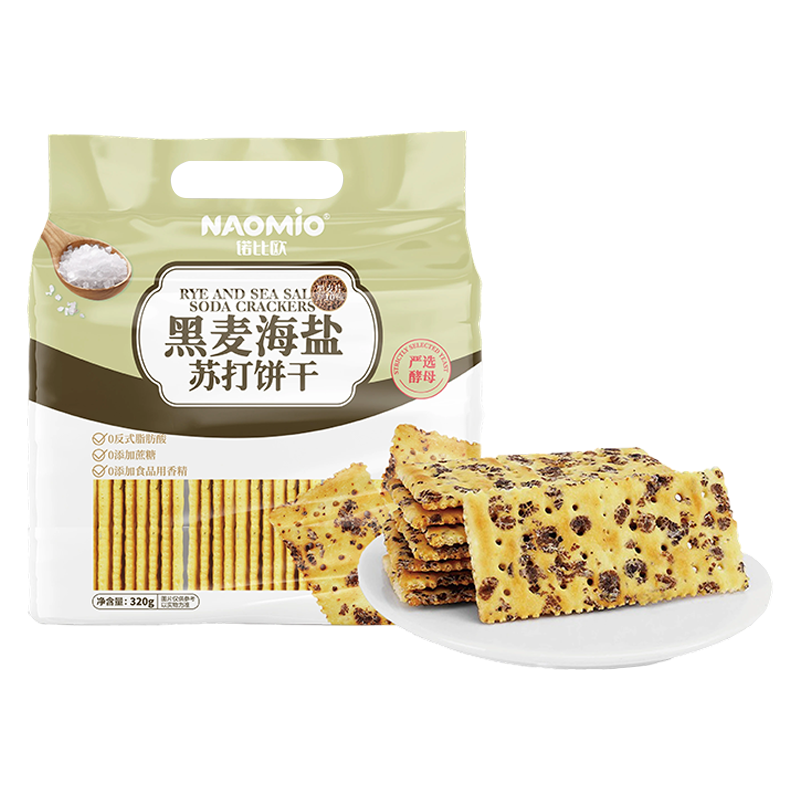
Turn over a standard sleeve of soda crackers and you will often find added sugar in the ingredient list, even though the crackers taste savory. Baker...
READ MORE
 2026.06.24
 Industry News
Low-sugar soda crackers are one of the most practical snack choices for people managing blood sugar, following a reduced-carb diet, or simply cutting back on added sugars. The best options contain less than 1g of sugar per serving, use simple ingredient lists, and still deliver the light, crispy texture soda crackers are known for.
This guide breaks down what "low-sugar" actually means on a cracker label, which brands qualify, how soda crackers compare nutritionally to other cracker types, and how to make them at home if you want full control over the ingredients.
The FDA defines "low sugar" loosely — there is no strict regulatory threshold for the term on crackers the way there is for "low fat" or "low sodium." In practice, when evaluating soda crackers for sugar content, use these benchmarks:
Also check the serving size. Many crackers list 5 crackers as a serving — a realistic snack portion is often 10–15 crackers, which doubles or triples the stated sugar number.
Soda crackers (also called saltines) were originally formulated with just four core ingredients: enriched flour, water, baking soda, and salt. The "soda" refers to sodium bicarbonate, which creates the characteristic airy, layered texture through a leavening reaction — not through sugar fermentation.
This means the traditional recipe has no structural need for sugar, unlike cookies or sweet biscuits where sugar contributes to texture and browning. Most plain soda crackers contain 0–1g of total sugar per serving, making them inherently lower in sugar than most snack crackers, flavored rice cakes, or granola-based products.
Where sugar creeps in is with flavored varieties — cheese crackers, honey wheat variants, and "multigrain" crackers often add sweeteners to improve palatability. Always read the label, not the front-of-pack claims.
Soda crackers aren't the only low-sugar option on the snack aisle, but they often come out ahead in simplicity and availability. Here's how they stack up against common alternatives:
For mainstream availability, cost, and a neutral flavor that pairs with both savory and sweet toppings, plain soda crackers remain the most practical low-sugar cracker for everyday use.
For people with type 2 diabetes or prediabetes, sugar content alone is not the full picture. The glycemic impact of a food depends on total carbohydrates, fiber content, and what it's eaten with. Here's what matters for soda crackers specifically:
Plain saltines have a glycemic index (GI) of approximately 74 — classified as high. This means they digest quickly and can raise blood glucose faster than low-GI foods like legumes or non-starchy vegetables. However, the glycemic load (which accounts for serving size) of 5 crackers is around 8–10, which is moderate.
Eating soda crackers with protein, healthy fat, or fiber significantly slows glucose absorption. Practical pairings that lower the overall glycemic impact:
The American Diabetes Association does not prohibit crackers but recommends keeping total carbohydrate portions in check. A reasonable portion is 15–20g of carbohydrates from crackers per snack, which corresponds to roughly 5–7 standard saltines.
Some soda cracker products use added sugars under names that don't immediately read as "sugar" on an ingredient list. Watch for these:
A truly low-sugar soda cracker's ingredient list should contain no more than: enriched flour (or whole wheat flour), water, palm oil or vegetable shortening, baking soda, and salt. Any sweetener in that list is a disqualifier for a genuinely low-sugar product.
Homemade soda crackers give you complete control over ingredients, sodium level, and add-ins like seeds or herbs. The process is straightforward and requires no special equipment beyond a rolling pin and baking sheet.
Ingredients (makes approximately 60 crackers, 0g added sugar):
Whole wheat flour adds about 2g of fiber per serving over all-purpose, improving the glycemic profile. Optional additions with zero sugar impact: sesame seeds, rosemary, black pepper, or poppy seeds.
Beyond general low-sugar eating, here's how soda crackers fit various dietary contexts:
Traditional soda crackers are not gluten-free. For a gluten-free, low-sugar alternative, look for crackers made from rice flour, almond flour, or cassava flour with 0g added sugar.
For those restricting sodium alongside sugar, the best choice is Premium Saltines Unsalted Tops at 115mg sodium per serving, or homemade crackers where salt can be reduced to near zero. The standard saltine at 200mg per 5-cracker serving adds up quickly at realistic portion sizes.
Most plain soda crackers are vegan, as the fat source is vegetable shortening rather than butter or lard. Verify the label — some premium brands use dairy-derived ingredients for flavor.
Soda crackers make a practical low-sugar school snack. With 0g added sugar, 70 calories per 5-cracker serving, and a neutral flavor most children accept, they pair well with protein-rich dips like hummus or natural peanut butter to create a more balanced snack with sustained energy.
Several misconceptions about soda crackers circulate in nutrition discussions. Here's what the evidence actually shows:
Use this checklist when evaluating a product at the store or online:
Following these six steps takes under two minutes per product and reliably filters out crackers that don't meet a genuine low-sugar standard, regardless of marketing language.
Content
Turn over a standard sleeve of soda crackers and you will often find added sugar in the ingredient list, even though the crackers taste savory. Baker...
READ MOREWhat Are Yeast Biscuits and How Do They Differ from Conventional Crackers? Yeast biscuits are a category of baked cracker or biscuit in which live yea...
READ MORECream crackers have a reputation problem. They are plain, dry, and eaten straight from the sleeve they can taste about as exciting as cardboard. Yet ...
READ MOREsection { margin-bottom: 40px; } section h2 { font-size: 22px; font-weight: bold; text-align: left; margin-bottom: 15px; ...
READ MORE





No. 232 Xinxin Road, Xinxin Industrial Village, Langxia Street, Yuyao City, Zhejiang Province
+(86) 187-6812-9528
