
 English
 中文简体
中文简体 Español
 عربى
عربى
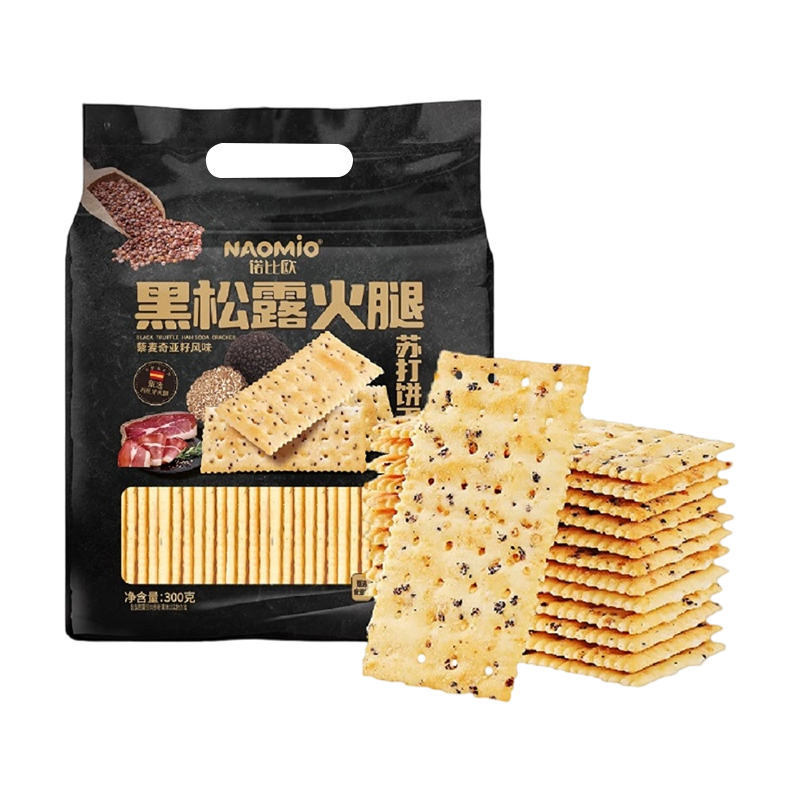
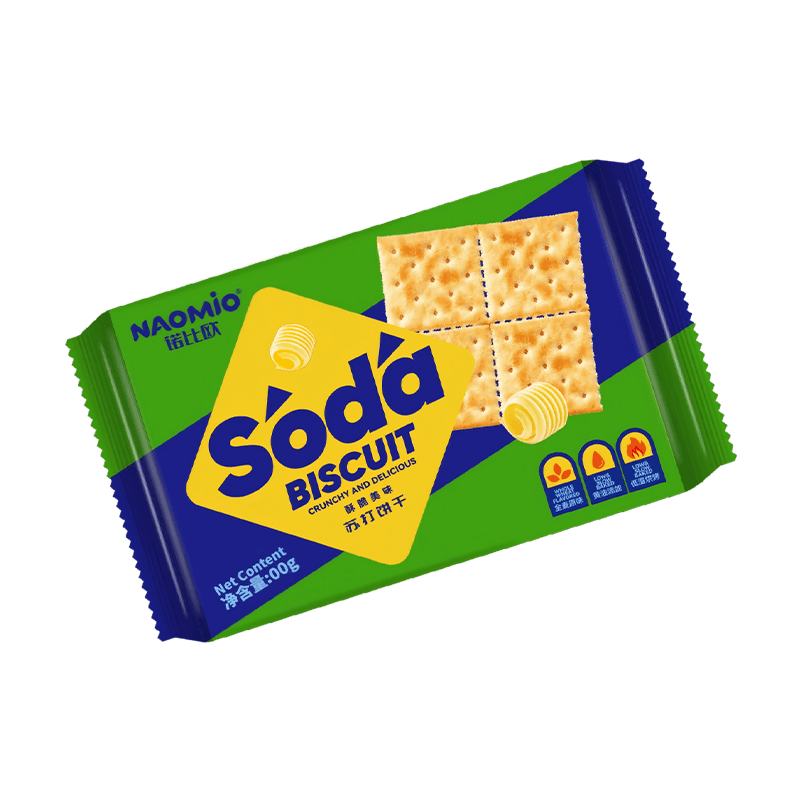
Your stomach is queasy, the soup is hot, and the clock says it is too early for dinner. You reach for a sleeve of soda crackers almost without thinki...
READ MORE
 2026.09.02
 Industry News
Turn over a standard sleeve of soda crackers and you will often find added sugar in the ingredient list, even though the crackers taste savory. Bakers add it in small amounts to feed the yeast, and flavored styles can carry more. If you manage blood sugar, follow a low-sugar diet, or simply read labels carefully, sugar-free soda crackers look like the obvious fix. The direct answer is that they reliably remove added sugar, but they do not turn a cracker into a low-carb food, because the starch in wheat flour still converts to glucose during digestion. What actually changes, what does not, and how to pick a good one are covered below.
Food regulators treat sugar-free as a defined claim rather than a marketing phrase. In the United States, a product can carry the claim only when it contains less than 0.5 g of sugar per serving, and the international Codex guidelines use a matching threshold of 0.5 g per 100 g. A genuine sugar-free soda cracker therefore has almost no measurable sugar of any kind.
A traditional soda cracker recipe is not automatically sugar-free. The classic formula combines flour, water, yeast, fat, and salt, plus a small amount of sugar or malt syrup to start fermentation. In a sugar-free recipe, the yeast feeds on the maltose that the flour's own enzymes release from starch, so the dough usually ferments longer, which is why these crackers often taste slightly wheatier and less sweet than standard versions. Despite the name, the soda in soda crackers refers to the pinch of baking soda that balances the acidity of fermentation, not to any sodium claim.
Three label terms are worth keeping apart. No added sugar means no sucrose or syrups went into the dough, yet naturally occurring or residual sugars may remain. Low sugar generally means no more than 5 g of sugar per 100 g. Sugar-free is the strictest of the three. For the full background on the category, we explain what sugar-free soda crackers are and why they were developed in a separate guide.
The honest comparison is narrower than most marketing suggests. A plain fermented soda cracker often lists 0 g of sugar per serving anyway, because the yeast consumes most of the small sugar addition in the dough. The recipes that genuinely benefit from a sugar-free formula are sweetened styles, flavored crackers, and anything glazed with honey or syrup. The table below shows where the two versions actually differ.
| Attribute | Regular soda crackers | Sugar-free soda crackers |
|---|---|---|
| Added sugar | 0 to 8 g per 100 g depending on the recipe | None added; the claim requires under 0.5 g per serving |
| Total carbohydrates | About 70 to 78 g per 100 g, from flour starch | Similar, since the flour base is unchanged |
| Sodium | Often 700 to 1,300 mg per 100 g | Comparable, because salt carries most of the flavor |
| Taste | Neutral to faintly sweet in flavored styles | Neutral, with a more pronounced fermented wheat note |
| Fermentation | Sugar-assisted and usually shorter | Longer, driven by maltose from the flour itself |
The takeaway is simple: sugar-free removes one variable cleanly, while total carbohydrates and sodium stay in the same range, so anyone counting carbs or salt still needs to read the rest of the nutrition panel.
Removing added sugar helps, but refined flour starch still raises blood glucose. A portion of three to five crackers delivers roughly 8 to 15 g of carbohydrates, similar to a thin slice of bread. Pairing the crackers with protein or fat, such as cheese, eggs, or nut butter, slows absorption and blunts the spike. If you count carbohydrates for medical reasons, treat the crackers like bread rather than as a free food.
For anyone reducing added sugar across the whole diet, swapping sweetened snack crackers for a sugar-free soda cracker is an easy change that costs nothing in texture. The neutral, crispy character stays the same, which is why these crackers still work with savory toppings, soups, and dips exactly as the standard version does.
Buyers value the plain profile for a different reason: it does not compete with the products it accompanies. A cracker with no added sugar and a neutral flavor also slots into low-sodium or diabetic-friendly ranges when paired with a reduced-salt recipe, since sweetness and saltiness can be tuned as separate variables.
A few minutes with the ingredient list and nutrition panel separates genuinely useful sugar-free crackers from cleverly named ones. Work through the panel in this order.
As a biscuit manufacturer focused on fermented crackers, we produce sugar-free soda crackers in several recipes, because the claim describes what a cracker leaves out, not what it offers. Each version below keeps the sugar-free standard while changing what goes into the dough. You can also browse our complete biscuit and bakery range to see how they sit alongside the rest of the line.
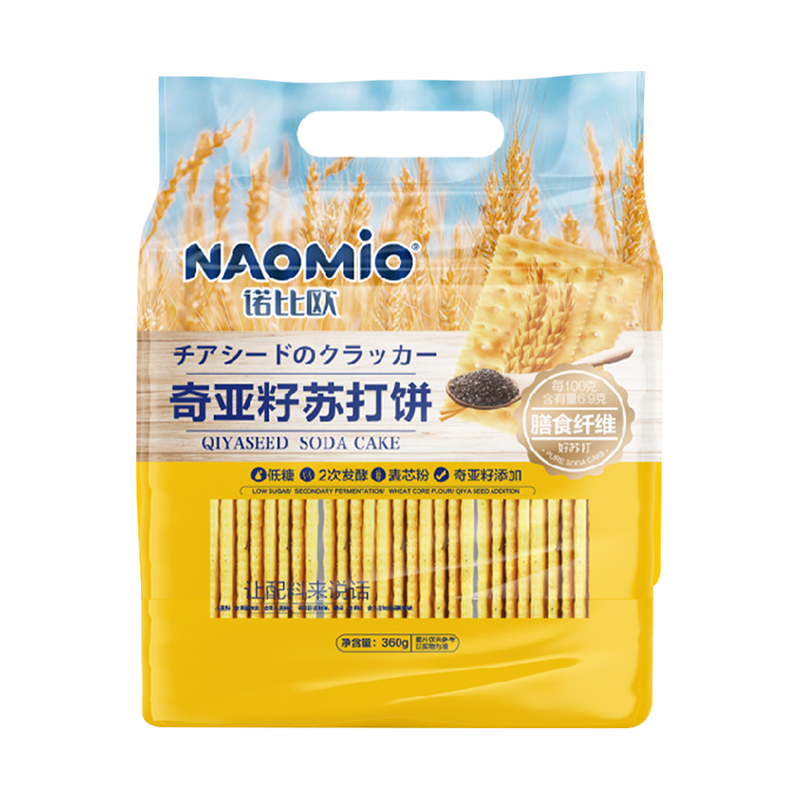
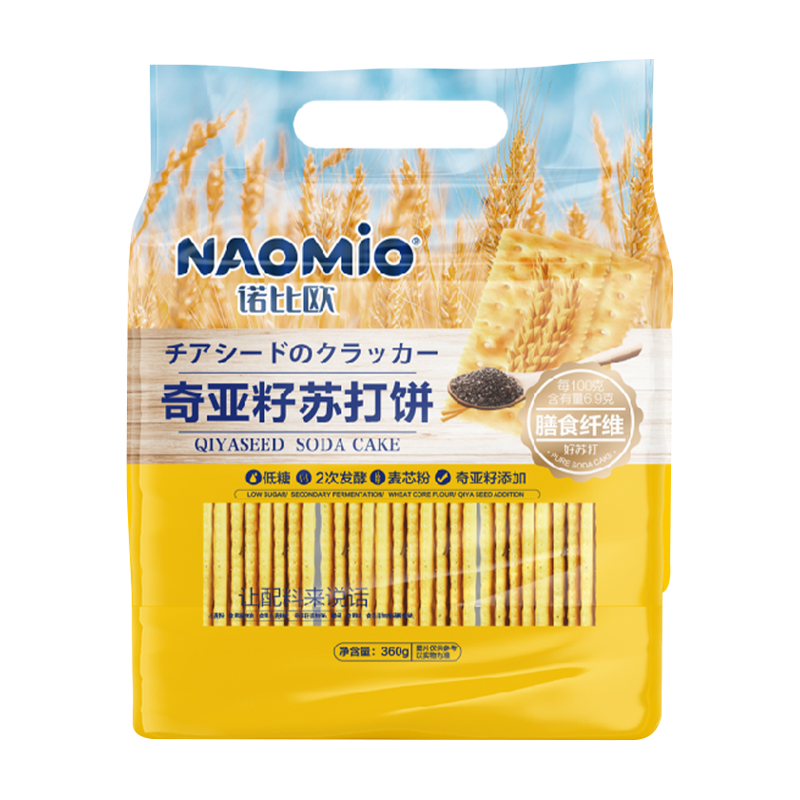 Chia Seed Soda Crackers with Natural FermentationThese yeast-fermented crackers add chia seeds for fiber and a nutty crunch, with a firmer bite that holds up to dips. They contain no added sucrose, trans fats, or flavorings.View Product →
Chia seed soda crackers add fiber and a faint nutty crunch to the classic flat, blistered sheet. The seeds absorb some moisture in the dough, producing a slightly firmer bite that stands up well to dips and spreads.
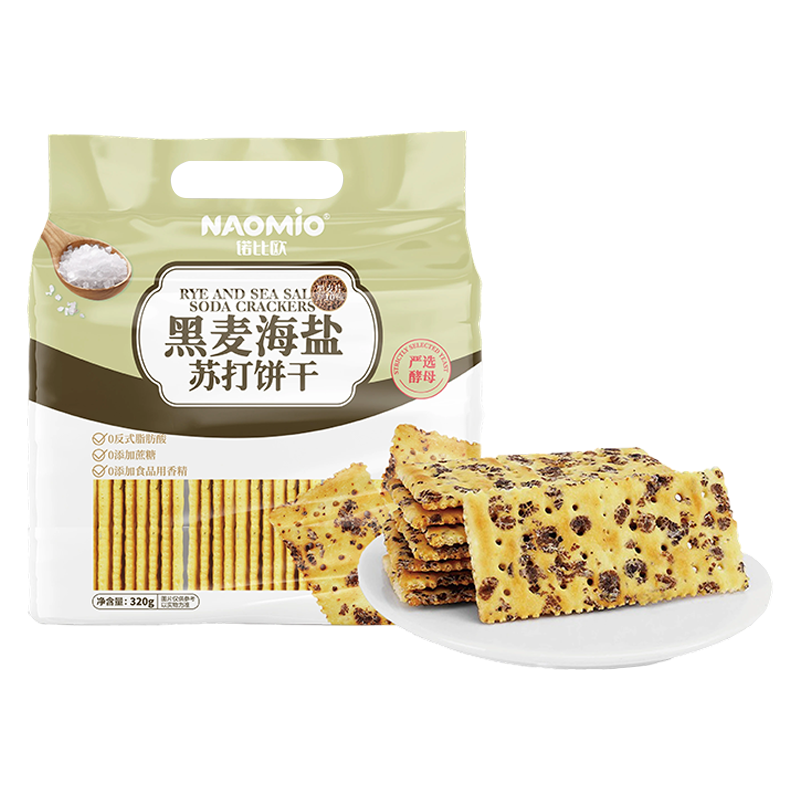
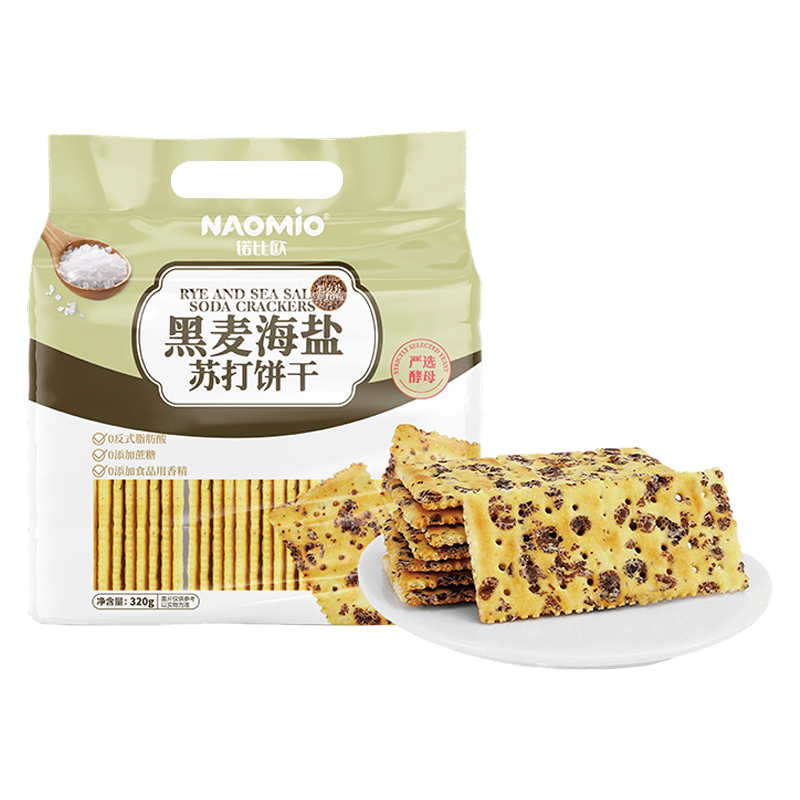 Rye and Sea Salt Soda CrackersMade with rye flakes and coarse sea salt, these crackers deepen the classic flavor while adding fiber. Extended natural fermentation keeps them crisp and easy to digest.View Product →
Rye and sea salt soda crackers blend rye flour into the wheat base, deepening the flavor and adding fiber without any sweetener. Coarse sea salt on the surface keeps the savory finish that soda cracker buyers expect.
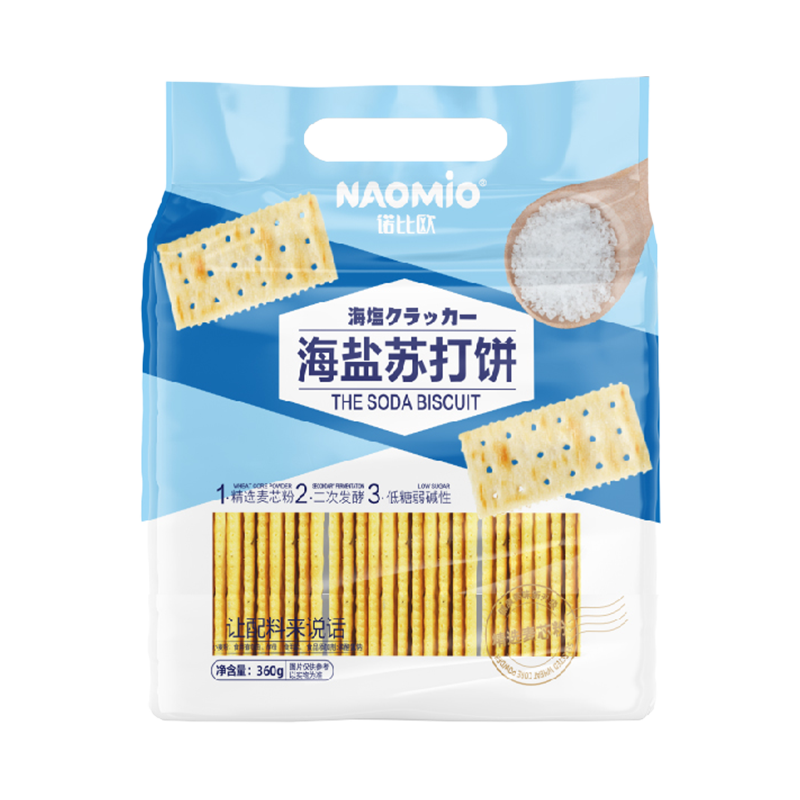
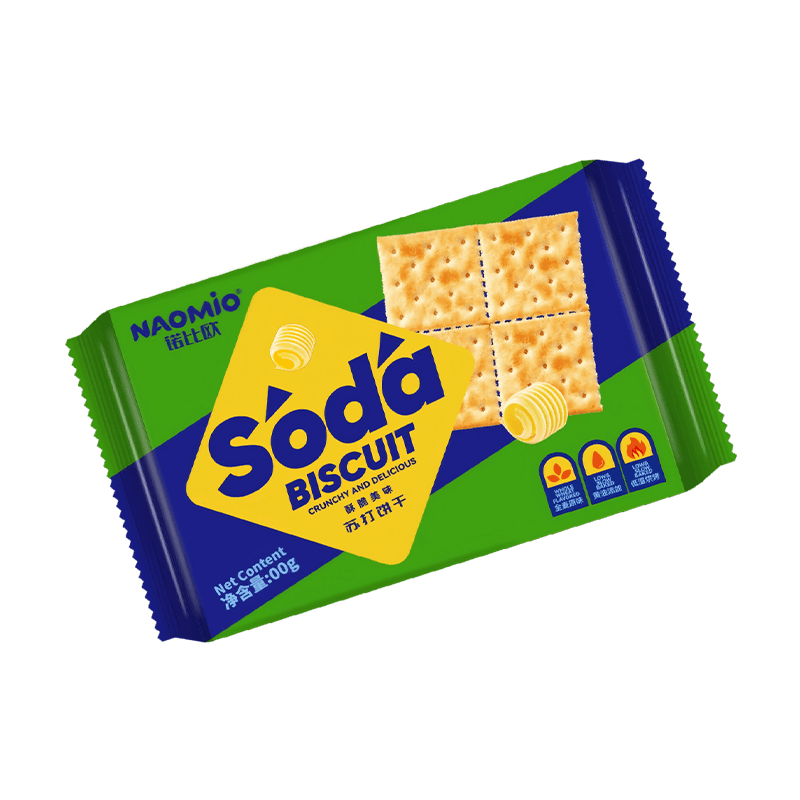 Classic Sea Salt Soda CrackersA simple, traditional recipe with a light, crispy texture and subtle wheat flavor. These neutral crackers pair well with cheese, smoked salmon, tea, or soups.View Product →
Sea salt soda crackers stay closest to the traditional formula: flour, water, yeast, oil, and salt, with fermentation doing the flavor work. This is the version to specify when the cracker needs to sit behind cheese, smoked salmon, or soup without competing.
Every recipe runs on the same production basis: four dedicated biscuit lines, annual sales above 10,000 tonnes, and an in-house laboratory that monitors materials and finished products from intake to dispatch. For wholesale buyers, the practical benefit is consistency, meaning the same thickness, bake color, and salt distribution from one shipment to the next.
Sugar-free soda crackers do one thing well: they take added sugar out of a savory cracker without changing the crisp texture or the neutral flavor. They do not lower total carbohydrates, and they rarely lower sodium, so the label still deserves a read. Choose a plain sea salt version as a dependable topping base, a rye version for extra fiber and a deeper flavor, or a seed-enriched recipe when texture matters. Portion them like bread rather than vegetables, pair them with protein or fat, and they earn a lasting place in a low-sugar pantry.
Your stomach is queasy, the soup is hot, and the clock says it is too early for dinner. You reach for a sleeve of soda crackers almost without thinki...
READ MOREWhat Are Sugar-Free Soda Crackers? Understanding the Definition of Sugar-Free Soda Crackers Sugar-free soda crackers are a type of crisp, dry biscuit ...
READ MOREWhat Are Yeast Biscuits and How Do They Differ from Conventional Crackers? Yeast biscuits are a category of baked cracker or biscuit in which live yea...
READ MOREsection { margin-bottom: 40px; } section h2 { font-size: 22px; font-weight: bold; text-align: left; margin-bottom: 15px; ...
READ MORE





No. 232 Xinxin Road, Xinxin Industrial Village, Langxia Street, Yuyao City, Zhejiang Province
+(86) 187-6812-9528
