
 English
 中文简体
中文简体 Español
 عربى
عربى
Saltine crackers are produced through a tightly controlled industrial sequence: ingredient mixing, dough fermentation and sheeting, rotary cutting, b...
READ MORE
 2026.10.07
 Industry News
At first glance, a soda cracker seems almost too simple to deserve a factory tour. It is a thin, square, lightly salted wafer that snaps cleanly when broken. Yet behind that modest appearance is a carefully controlled industrial process involving fermentation, lamination, and precision baking. As a professional biscuit manufacturer with over two decades of experience, we have seen how small changes in temperature, humidity, and timing can transform a flat, dense sheet into a light, flaky cracker. In this guide, we explain how soda crackers are made on a commercial scale, from the first sack of flour to the sealed package on your table.
The standard soda cracker formula is intentionally short: wheat flour, water, yeast, baking soda, salt, and a small amount of fat. Some recipes add malt or sugar to feed the yeast and support browning. The flour is usually a soft wheat flour with moderate protein, because too much gluten makes the cracker tough instead of crispy. The yeast creates carbon dioxide during fermentation, giving the cracker its airy structure. Baking soda neutralizes the acidic by-products of fermentation, which also helps produce the characteristic golden-brown surface. Fat, often in the form of vegetable shortening or butter, shortens the dough so it snaps rather than chews.
| Ingredient | Role |
|---|---|
| Flour | Builds the gluten network and the cracker structure |
| Water | Hydrates the flour and activates the yeast |
| Yeast | Produces carbon dioxide and fermentation acids |
| Baking soda | Neutralizes acids and promotes browning |
| Fat | Shortens the dough for a tender snap |
| Salt | Controls fermentation and adds flavor |
| Malt or sugar | Feeds yeast and supports crust color |
The balance of these ingredients changes if you are aiming for a sugar-free or low-sugar cracker. In our experience, the right formulation can cut down on sugar without sacrificing the snap. Consumers looking for sugar-free and low-sodium cracker options often ask about salt and leavening adjustments. One way we answer that demand is by adding seeds and whole grains, which contribute flavor and texture without relying on sugar. For example, one of our popular sugar-free products includes chia seeds for extra crunch and nutritional value.
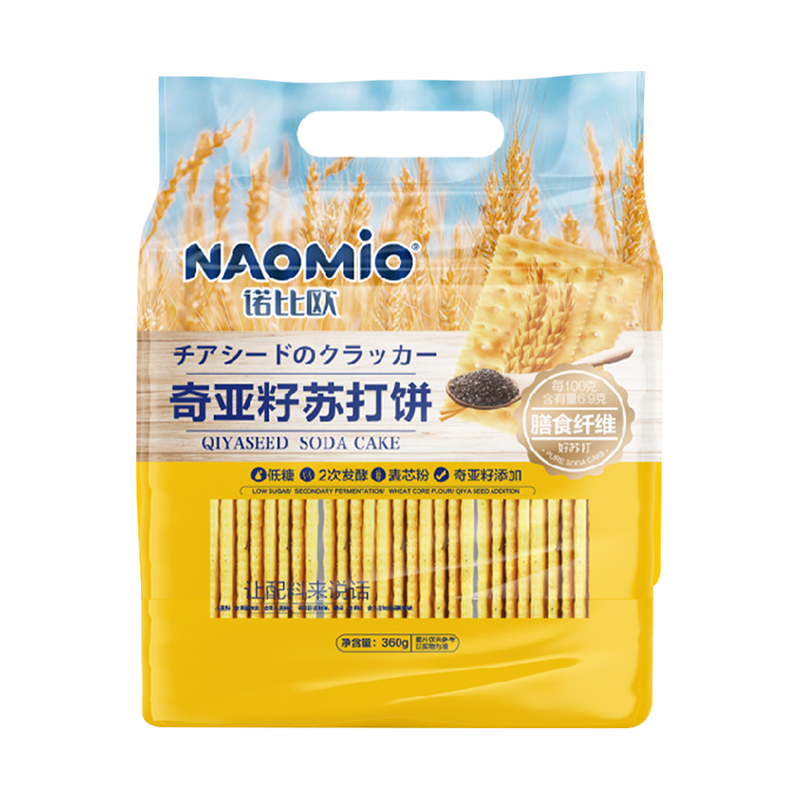
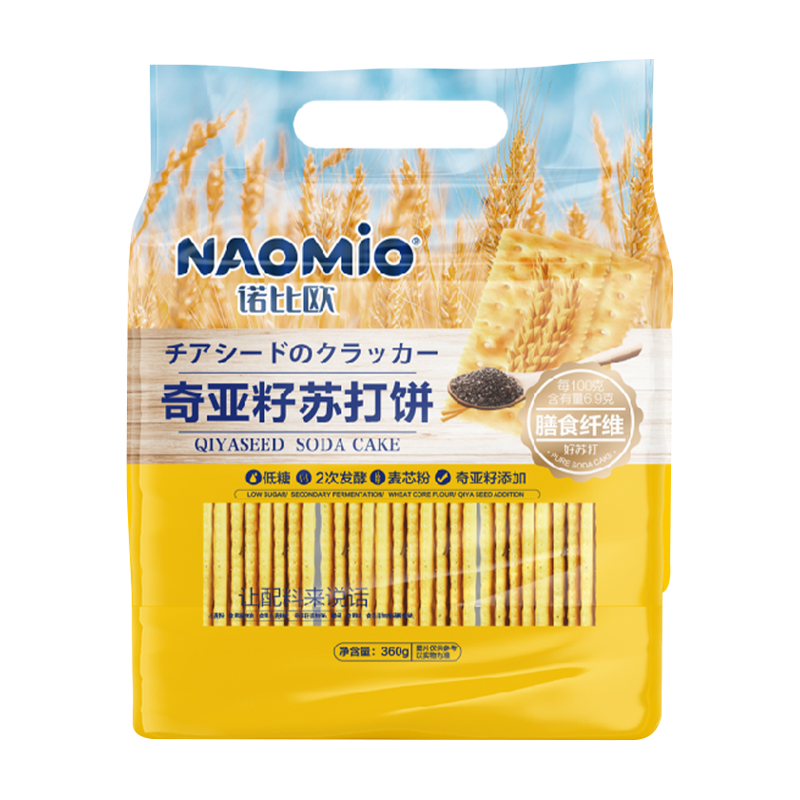 Chia Seed Soda Crackers with Natural FermentationThis sugar-free cracker features chia seeds for added crunch and nutrition, made with an 18-hour fermentation process. It suits health-conscious consumers seeking a crisp, wholesome snack without artificial additives.View Product →
Industrial soda cracker production can be divided into seven stages. Each one builds on the previous, and even a tiny variation can affect the final bite. Here is how it works.
From mixing to packing, a typical production run can take anywhere from eight to twenty-four hours, depending on fermentation time and line speed. The result is a product with consistent thickness, color, and snap.
The holes in a soda cracker are not decorative. They are made by small pins on the cutting roller just before baking. These docking holes break the surface gluten film and provide controlled outlets for steam. Without them, trapped steam would create irregular bubbles and misshapen crackers. The result would be a tough, uneven texture instead of the flat, delicate crisp you expect. The square shape is not arbitrary either: a square cutter leaves no waste between individual crackers, and the even edges make them easy to stack and pack.
Quality control is the invisible ingredient in every batch. At our factory, the process begins with incoming raw material inspection. Flour is tested for moisture and protein, yeast for activity, and salt for purity. During production, our technicians monitor dough temperature, fermentation humidity, dough thickness, oven profile, and cracker color. Our on-site food hygiene laboratory follows the entire process, from raw materials to finished product, to identify and eliminate potential quality issues at the source. This gives our customers confidence whether they use the crackers at home or resell them under their own brand. We currently run four biscuit production lines and sell more than 10,000 tons of biscuits per year, which gives us a real-world understanding of large-scale consistency. A dedicated technical team fine-tunes every stage. For example, our salt soda crackers are produced with the same care as our more complex specialty flavors.
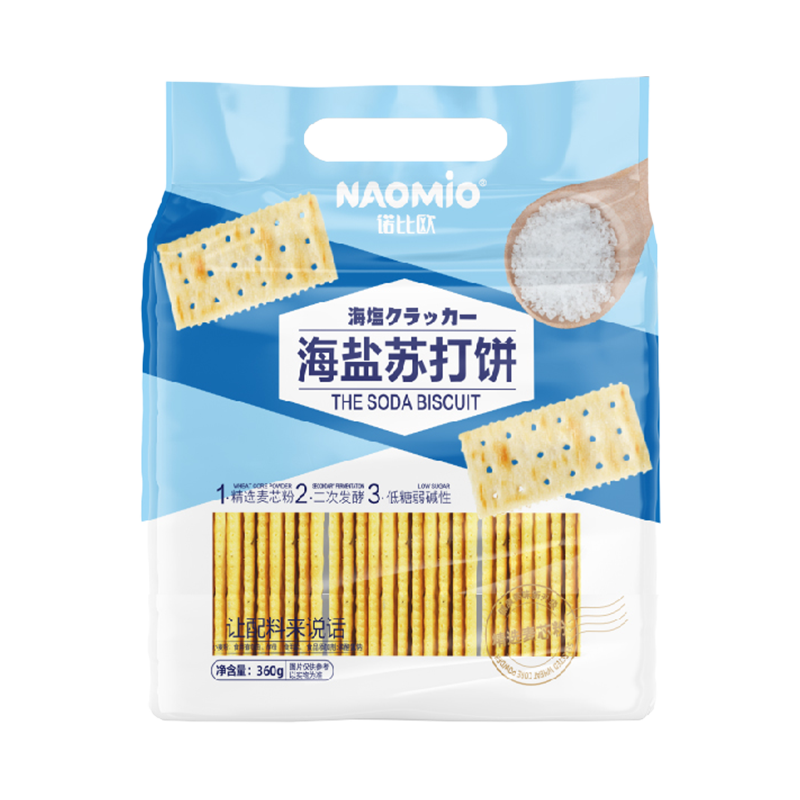
 Classic Salt Soda Crackers with Extended FermentationA pure, sugar-free cracker using natural sea salt and a double-length fermentation for extra crispness and digestibility. Its simple formula makes it a versatile daily snack or coffee accompaniment.View Product →
Soda crackers have moved well beyond a single formula. The classic salt-topped version remains a bestseller, but consumers increasingly look for options that match specific dietary goals. Two popular categories are sugar-free and low-sugar soda crackers. The table below compares them.
| Feature | Sugar-Free | Low-Sugar |
|---|---|---|
| Sweetener | None or a natural sweetener | Small amount retained for yeast |
| Carbohydrates | Minimal | Lower than standard, but not zero |
| Flavor | Neutral and slightly savory | Lighter sweetness |
| Best for | Keto-friendly and low-carb diets | General health-conscious snacking |
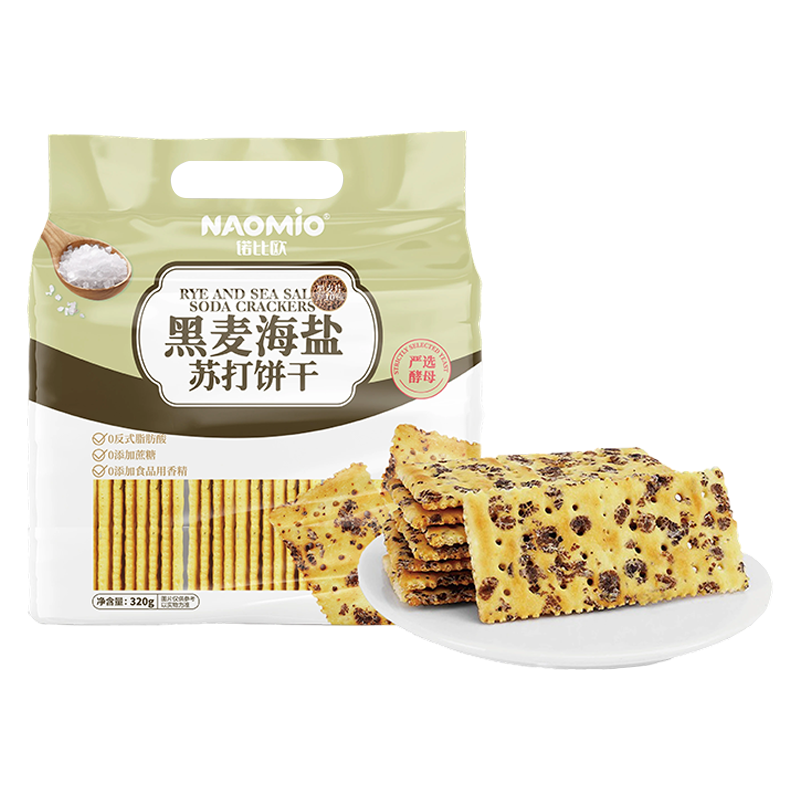
Our sugar-free range includes sea salt, rye and sea salt, and chia seed varieties, while our low-sugar line features a milk soda cracker. For instance, a low-sugar milk soda cracker offers a gentler flavor while still delivering the crisp texture of a classic saltine. If you are used to the plain version, the milk soda cracker is a soft introduction to a slightly sweeter profile without being a cookie.
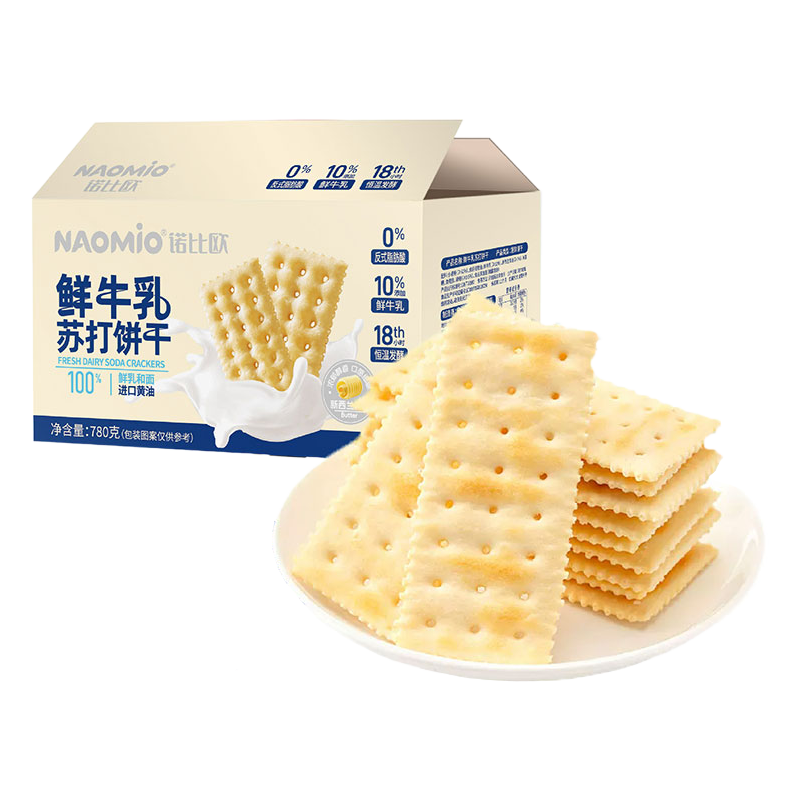
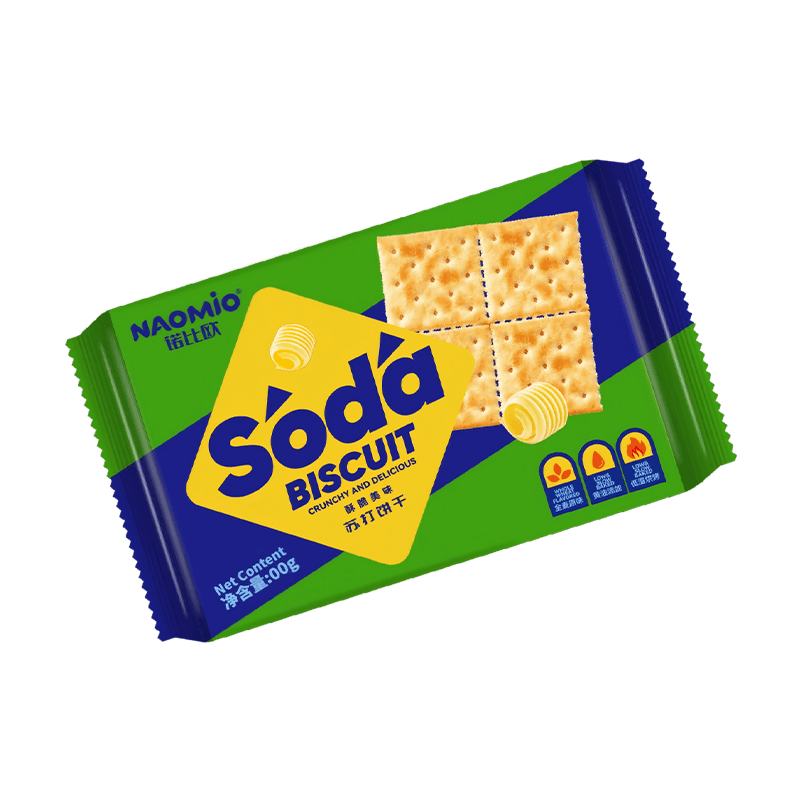
 Low-Sugar Milk Soda Crackers with Anchovy ButterMade with over 10% fresh milk and imported New Zealand butter, this low-sugar cracker uses trehalose for a gently sweet taste. Its long fermentation delivers a crisp, digestible texture for everyday snacking.View Product →
Understanding how soda crackers are made helps you appreciate what goes into every bite. The process is a blend of microbiology, materials science, and baking craft. The next time you take a cracker from the sleeve, look at the neat row of holes and the even golden color; you will know exactly why they are there and how much precision was required to make them. Whether you enjoy them alone, with soup, or as a base for canapés, the humble soda cracker is a small masterpiece of industrial food manufacturing.
Saltine crackers are produced through a tightly controlled industrial sequence: ingredient mixing, dough fermentation and sheeting, rotary cutting, b...
READ MOREAs a professional cracker manufacturer, we hear this question often: how many carbs are in soda crackers? The quick answer is that a standard serving...
READ MOREFew snacks are as quietly dependable as a saltine: square, thin, lightly blistered, dotted with tiny holes, and finished with a scatter of coarse sal...
READ MOREYour stomach is queasy, the soup is hot, and the clock says it is too early for dinner. You reach for a sleeve of soda crackers almost without thinki...
READ MORE





No. 232 Xinxin Road, Xinxin Industrial Village, Langxia Street, Yuyao City, Zhejiang Province
+(86) 187-6812-9528
