
 English
 中文简体
中文简体 Español
 عربى
عربى
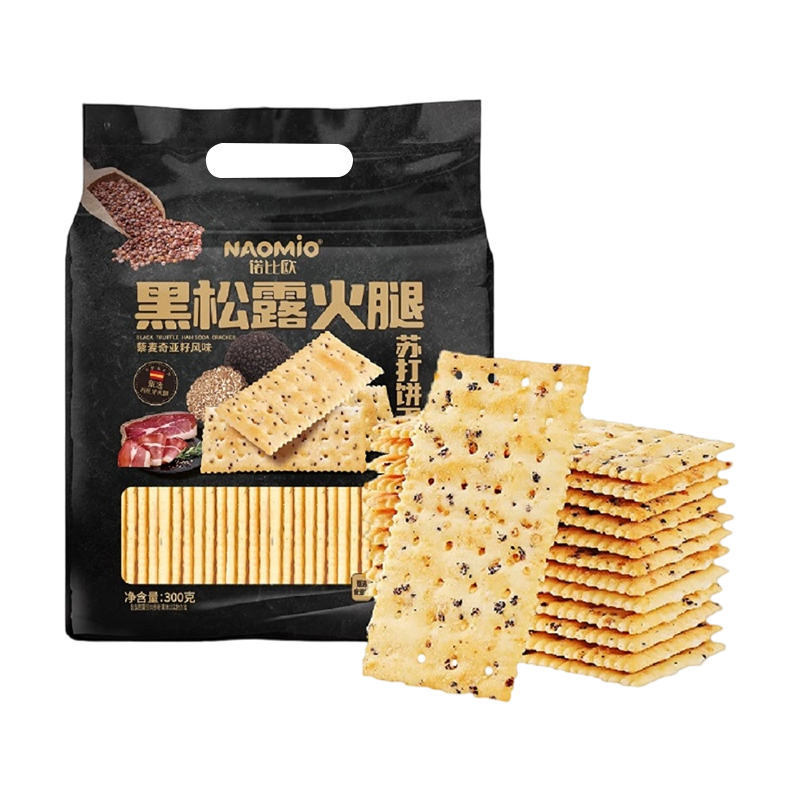
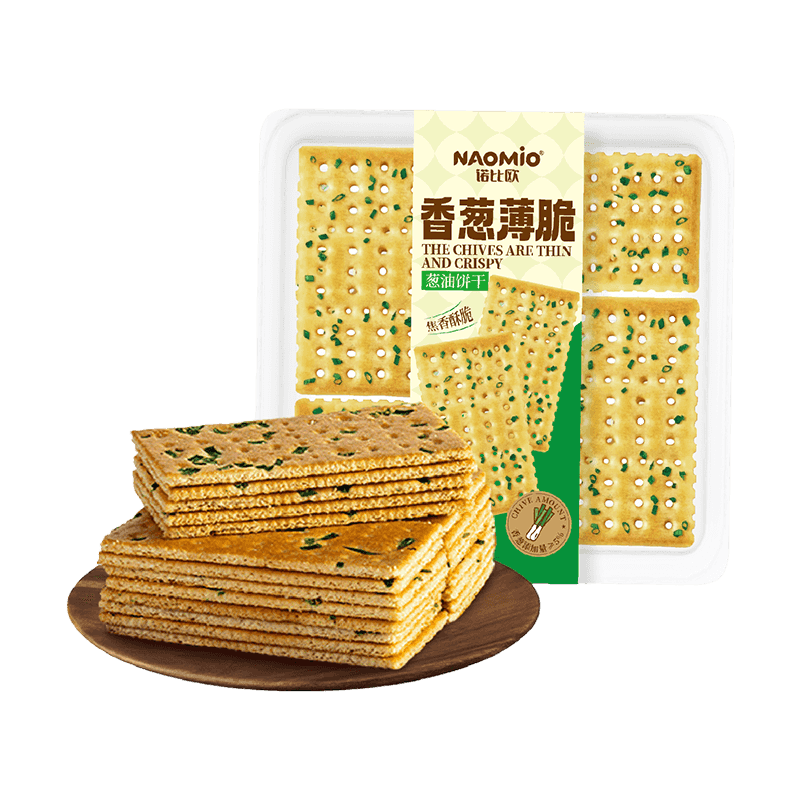
At first glance, a soda cracker seems almost too simple to deserve a factory tour. It is a thin, square, lightly salted wafer that snaps cleanly when...
READ MORE
 2026.09.16
 Industry News
Saltine crackers are produced through a tightly controlled industrial sequence: ingredient mixing, dough fermentation and sheeting, rotary cutting, baking at high temperature, and cooling before packaging. Each step is engineered for consistent crispness, uniform color, and a long shelf life. Below, we break down how factories achieve this at scale.
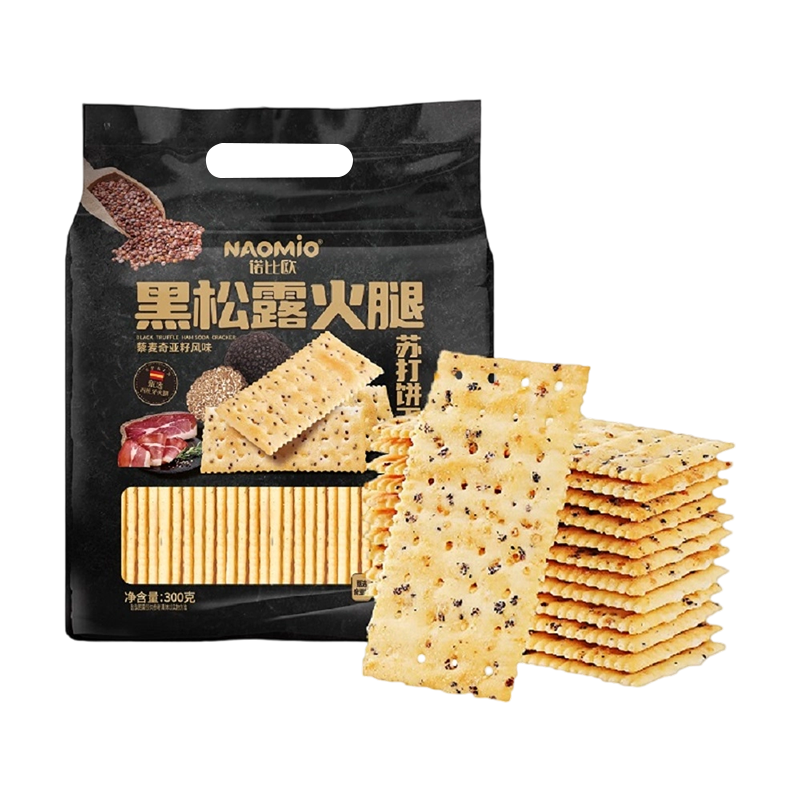 Black Truffle and Jinhua Ham Soda CrackersThis premium cracker combines black truffles and Jinhua ham with whole grain wheat, featuring 18-hour natural fermentation for enhanced crispness and digestibility.View Product →
The recipe for saltine crackers is deceptively simple: white flour, water, yeast, baking soda, salt, and a small amount of fat (such as shortening or oil). The yeast provides fermentation, while baking soda neutralizes acidity and promotes browning. In industrial mixing, raw materials are weighed with high precision and blended in a vertical or spiral mixer for several minutes until a uniform, slightly elastic dough forms. Water temperature is controlled to activate the yeast without killing it. For specialized products like low‑sugar or sugar‑free crackers, sweeteners are adjusted, and the formula is balanced to maintain structure. Learn more about the health considerations of reduced‑sugar varieties in our detailed article on low‑sugar soda crackers.
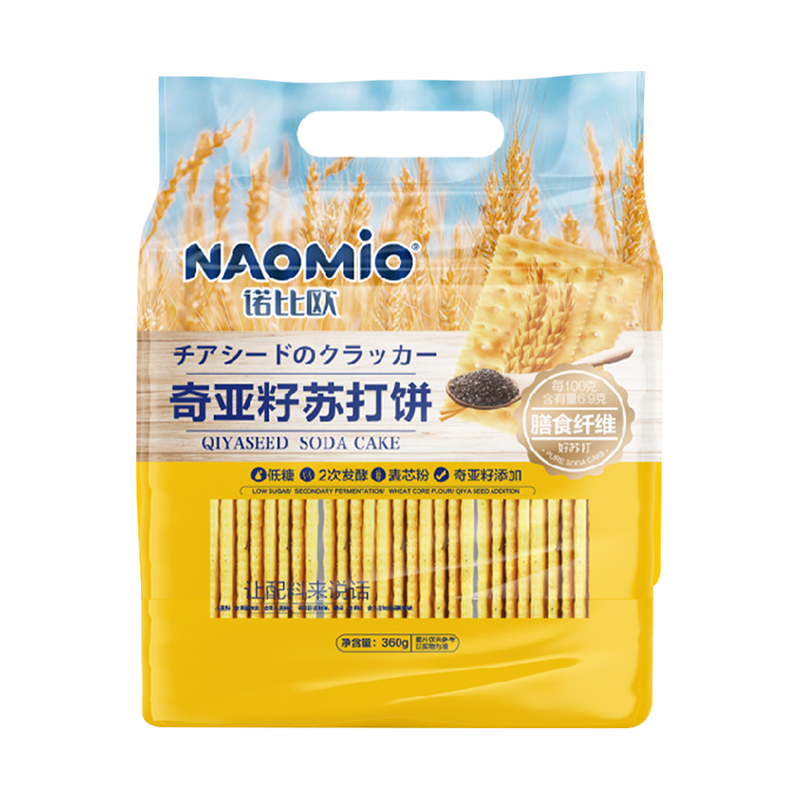
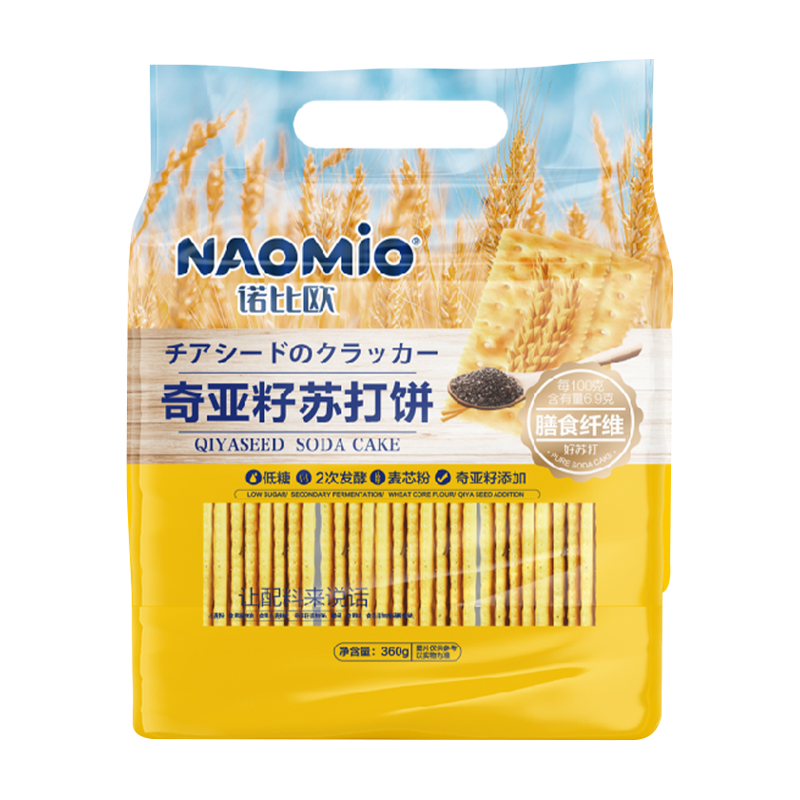 Chia Seed Soda Crackers with No Added SucroseFermented for 18 hours without artificial leavening, these crackers incorporate 5% chia seeds for fiber and omega-3s, offering a crisp texture and clean ingredient profile.View Product →
After mixing, the dough undergoes a bulk fermentation period, typically 4–6 hours at a controlled temperature. This allows yeast to produce carbon dioxide, creating a network of small gas cells that will later become the cracker’s typical honeycomb texture. The fermented dough is then fed into a series of rollers that progressively thin it into a continuous sheet, usually about 2–3 mm thick. Consistency in thickness is critical—variations cause uneven baking. As the sheet moves forward, a rotary cutter stamps out square shapes and, crucially, creates a pattern of holes (docking holes). These holes prevent the dough from puffing up into a pillow, ensuring the cracker remains flat and crisp. The same process applies to flavored soda crackers; for example, our product lineup includes options with added seeds or seasonings that are incorporated during sheeting.
The cut dough squares travel directly into a multi‑zone tunnel oven. Baking temperatures typically start around 200°C (392°F) and may increase to 250°C (482°F) in later zones. The high heat sets the structure, evaporates residual moisture, and creates the golden‑brown color through Maillard reactions. Total bake time is short—often just 2–4 minutes—to keep the cracker light. Immediately after baking, crackers move through a cooling conveyor where ambient air or forced fans reduce their temperature from over 100°C to near room temperature. This step is vital: warm crackers are too soft for handling and can break during packaging. Proper cooling also locks in crispness by allowing starch to retrograde.
 High-Protein DHA Egg Cheese Flavored BiscuitsFormulated with high-quality wheat flour and enriched with protein and DHA, these crispy biscuits deliver a dual egg-and-cheese flavor suitable for all ages.View Product →
Throughout production, quality checks are performed at every stage—raw material inspection, dough temperature, sheet thickness, oven conditions, and final moisture content. Many factories, including those with dedicated laboratories, implement full‑chain monitoring to catch deviations early. For example, our facility uses inline sensors to track weight and color, ensuring every batch meets specifications. After cooling, crackers are stacked and fed into packaging machines that form sealed bags or boxes, often flushed with nitrogen to extend shelf life. The entire line runs at speeds of hundreds of crackers per minute, demonstrating why large‑scale manufacturers can supply consistent product year‑round.
Making saltine crackers at an industrial level is a matter of precise recipe engineering, controlled fermentation, accurate sheeting, rapid baking, and thorough cooling. The process is designed for repeatability, delivering the same thin, crispy cracker that consumers expect—while leaving room for formula variations like sugar‑free, low‑sugar, or protein‑enriched versions. Understanding these steps helps buyers appreciate the technical expertise behind a simple‑looking snack.
At first glance, a soda cracker seems almost too simple to deserve a factory tour. It is a thin, square, lightly salted wafer that snaps cleanly when...
READ MOREFew snacks are as quietly dependable as a saltine: square, thin, lightly blistered, dotted with tiny holes, and finished with a scatter of coarse sal...
READ MOREThe Short Answer: Saltine Crackers Are Not Ideal for Diabetics Saltine crackers — including standard soda crackers and most yeast biscuits — are not ...
READ MOREAs a professional cracker manufacturer, we hear this question often: how many carbs are in soda crackers? The quick answer is that a standard serving...
READ MORE





No. 232 Xinxin Road, Xinxin Industrial Village, Langxia Street, Yuyao City, Zhejiang Province
+(86) 187-6812-9528
