
 English
 中文简体
中文简体 Español
 عربى
عربى
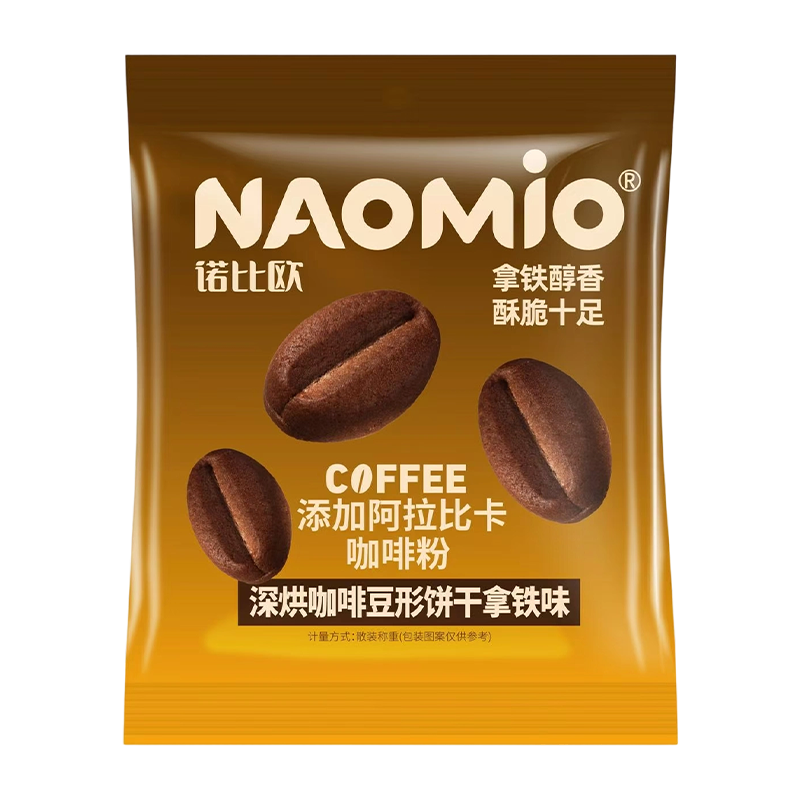
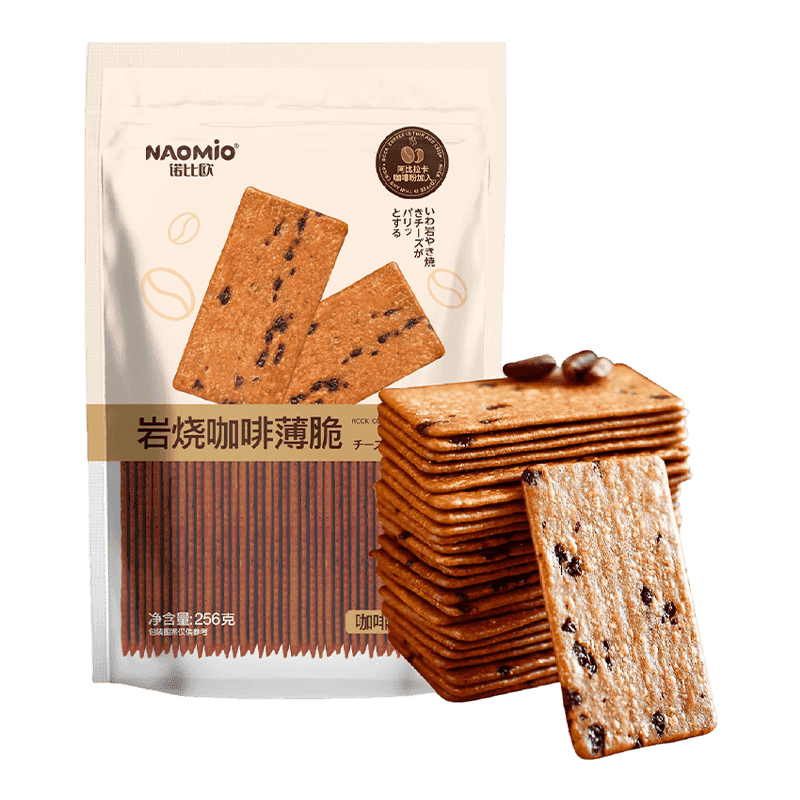
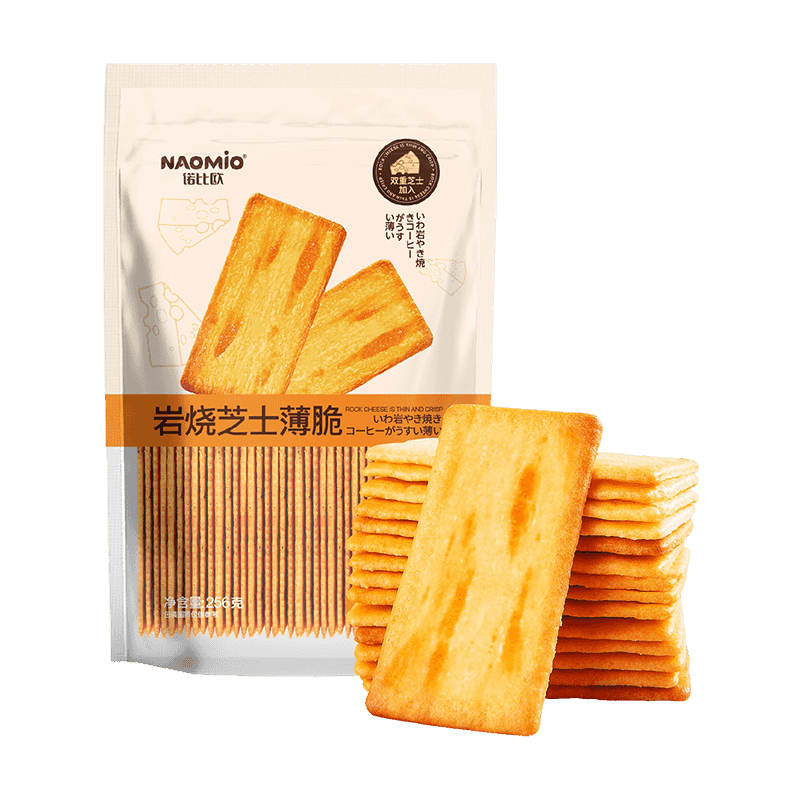
The best coffee cookies are made by combining real butter, quality coffee or espresso powder, and a short baking time at moderate heat (160–175°C / 3...
READ MORE
 2026.06.17
 Industry News
A biscuit turns out thin and crispy when the dough has a higher fat-to-flour ratio, low moisture content, and is rolled or piped thin enough (around 3-5mm) that it bakes through completely before the center can stay soft. The combination of more melted butter spreading the dough during baking and a longer, lower-temperature bake that drives out nearly all remaining water is what separates a crisp wafer-style biscuit from a thick, chewy one.
In practical terms, recipes that use a butter-to-flour ratio above 1:2 by weight (for example 125g butter to 250g flour) consistently produce thinner, crisper results than standard cookie recipes sitting closer to 1:3, because the extra fat causes the dough to spread out and thin during baking rather than holding its shape.
Crispiness in baking is fundamentally a moisture problem. A biscuit feels crisp when its internal water content drops below roughly 3%, allowing the starch and sugar structure to set into a rigid, glass-like matrix rather than a soft, flexible one.
As sugar melts and then cools after baking, it re-solidifies into a hard, brittle structure. Recipes with a higher sugar content, often 30-40% of total flour weight, snap more cleanly than low-sugar versions because there's more of this hardened sugar matrix holding the biscuit together.
Heat penetrates a thin layer of dough far faster than a thick one, so a biscuit rolled to 3mm can fully dry out in 10-12 minutes, while the same dough at 8mm thickness may still hold moisture in the center even after the edges have browned.
Adjusting just a few ratios in a standard biscuit recipe shifts the outcome from soft and chewy toward thin and crisp. The table below compares typical ratios for each texture style.
| Ingredient Ratio | Chewy Biscuit | Thin Crispy Biscuit |
|---|---|---|
| Butter : Flour | 1:3 | 1:2 |
| Sugar : Flour | 1:4 | 1:2.5 |
| Egg content | 1 whole egg per 250g flour | Egg yolk only, or none |
| Dough thickness | 8-10mm | 3-5mm |
Removing egg whites is a small but meaningful change, since egg whites add structural protein that traps steam and keeps a biscuit puffier rather than flat and crisp.
Beyond the dough recipe itself, three technique adjustments have the biggest impact on whether biscuits bake up thin and crisp rather than soft.
Baking at 160-170°C for 12-15 minutes rather than 190°C for 8 minutes allows moisture to escape gradually throughout the biscuit rather than browning the surface before the inside has dried out.
Leaving 4-5cm between portions allows the dough to spread thin naturally as the butter melts, rather than biscuits touching and trapping steam between them, which softens edges.
Biscuits continue losing residual moisture as they cool; resting them on a wire rack rather than the baking tray prevents trapped steam underneath from re-softening the base.
Several well-known biscuit styles are built specifically around achieving a thin, crisp texture, each using a slightly different technique to get there.
| Biscuit Type | Typical Thickness | Key Technique |
|---|---|---|
| Tuile | 1-2mm | Batter spread thin, baked hot and fast |
| Shortbread (thin-cut) | 4-6mm | High butter ratio, low oven temperature |
| Wafer biscuit | 1-3mm | Liquid batter baked between hot plates |
| Cracker-style biscuit | 2-3mm | Minimal sugar, rolled very thin, docked with holes |
Docking, or pricking small holes in the dough before baking, is a technique borrowed from cracker production that lets steam escape evenly, which is why cracker-style biscuits stay flat and crisp rather than puffing in the middle.
Most failed attempts at thin crispy biscuits trace back to one of these recurring errors.
Thin biscuits are more prone to going stale or soft than thick ones simply because they have a much higher surface-area-to-volume ratio, which means they absorb ambient moisture faster.
Properly stored, thin crispy biscuits made with a high butter and sugar ratio typically hold their crunch for 1-2 weeks at room temperature, considerably longer than softer, higher-moisture cookies.
For a dependable base recipe, combine 250g flour, 125g softened butter, 100g sugar, and one egg yolk, then roll the dough to 3-4mm thickness, cut into shape, and bake at 165°C for 12-14 minutes until evenly golden at the edges.
This ratio sits deliberately on the higher-fat, lower-moisture end of standard biscuit formulas, which is precisely why it produces a thin, snap-crisp texture rather than the softer chew typical of standard cookie recipes built around a 1:3 butter-to-flour ratio.
Content
The best coffee cookies are made by combining real butter, quality coffee or espresso powder, and a short baking time at moderate heat (160–175°C / 3...
READ MOREQuick Answer: How to Make Chocolate Coffee Cookies To make chocolate coffee cookies, cream butter and sugar, mix in espresso powder and melted chocol...
READ MORECream crackers have a reputation problem. They are plain, dry, and eaten straight from the sleeve they can taste about as exciting as cardboard. Yet ...
READ MOREWhat Milk Biscuits Are — The Direct Answer Milk biscuits are baked goods made with milk or milk-derived ingredients — most commonly whole milk, skimm...
READ MORE





No. 232 Xinxin Road, Xinxin Industrial Village, Langxia Street, Yuyao City, Zhejiang Province
+(86) 187-6812-9528
