
 English
 中文简体
 Español
 عربى

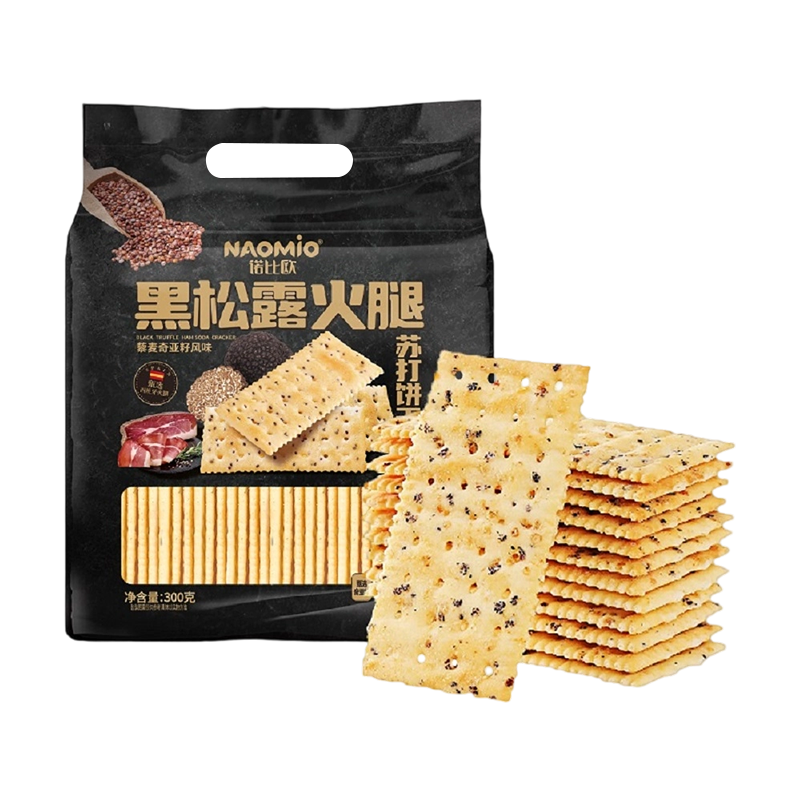
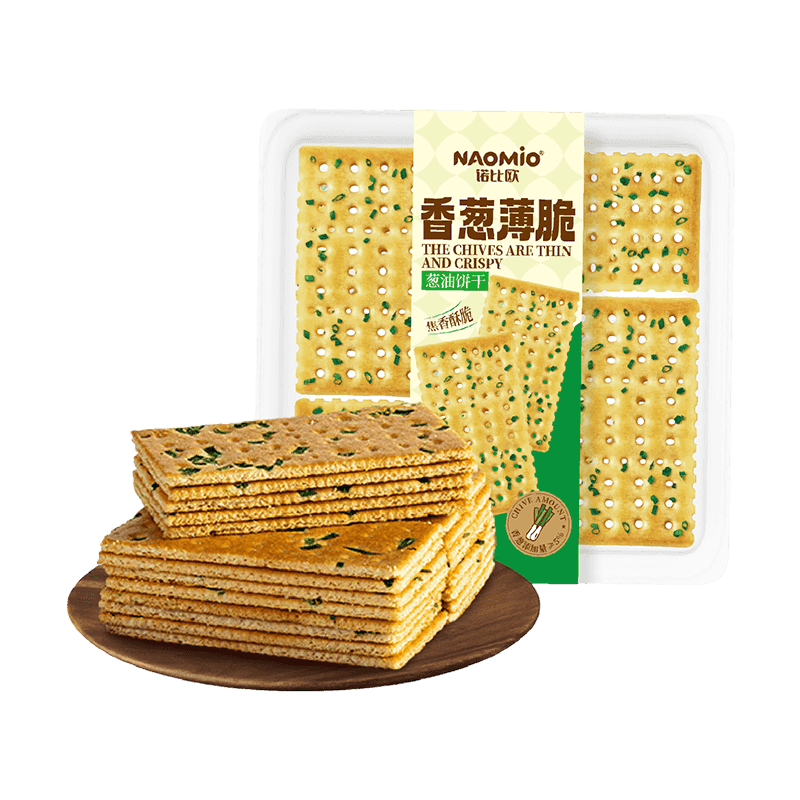
Water crackers have a way of looking lighter than they are. They are thin, dry and neutral-tasting, so it is easy to assume they are almost carb-free...
READ MORE
 2026.11.16
 Industry News
Crackers are one of those snacks that vanish before you think to count them, and Town House crackers are no exception. They are thin, they are buttery, and a whole stack can disappear while the kettle boils. So it is worth answering the question plainly: how many calories are in a townhouse cracker?
A single cracker from the original oven-baked line carries about 14 calories, and the Light & Buttery version runs closer to 16. A standard serving of five crackers therefore lands at roughly 70 to 80 calories, depending on which box you open.
Most nutrition questions like this are really portion questions, so the table below puts the numbers side by side. Everything is rounded the way labels round, which is why the per-cracker figure is an estimate rather than an exact count.
| Variety | Serving size | Calories per serving | Calories per cracker |
|---|---|---|---|
| Original oven-baked | 5 crackers (about 16 g) | 70 | about 14 |
| Light & Buttery | 5 crackers | 80 | about 16 |
| Toppers Original | 100 g | 483 | depends on cracker size |
The arithmetic behind the last column is simple: divide the serving calories by the number of crackers in the serving. Five crackers at 70 calories gives 14 each; five at 80 gives 16. Once you know that, any box becomes easy to read, even when the serving size changes.
A 16-gram serving of the original cracker is built almost entirely from carbohydrate and fat, with protein barely registering. Roughly, that serving holds 3 grams of fat, 10 grams of carbohydrate and less than a gram of protein.
That split explains why crackers feel light without being low in energy. They are thin and dry, so a single cracker weighs only a few grams, yet gram for gram they are roughly as calorie-dense as a slice of bread. The lightness is in the shape, not in the nutrition panel.
On a 2,000-calorie daily plan, a five-cracker serving of 70 to 80 calories covers under four percent of the day. That is a modest snack by any measure, and it is part of why crackers remain such a comfortable stand-in for a biscuit alongside a cup of coffee.
If you prefer round numbers, 100 calories works out to about six or seven original crackers, or five Light & Buttery crackers with a little room to spare. That is a useful anchor when you want a snack you can plan around rather than guess at.
The real risk is rarely the calorie count; it is the pace. Twenty crackers eaten straight from the sleeve adds up to roughly 280 to 320 calories, which is closer to a light meal than a snack. A few habits keep the number where you intended it:
The original cracker and the Light & Buttery cracker differ by around 10 calories per serving, which is small but not nothing. Toppers sit in a denser category altogether at roughly 483 calories per 100 grams, because the cracker is thicker and carries more oil and seasoning.
Flavour and coating are the usual reasons a cracker climbs. A cheese-style cracker, a seeded cracker or anything with a butter-rich finish will generally land above the plain original. The gap is rarely dramatic, but it is enough to matter if crackers are a daily habit rather than an occasional treat.
Serving sizes shift as well. Some boxes list five crackers, some list four, and some list only grams. Whenever the label gives weight, trust it: 30 grams of crackers is 30 grams of calories no matter how many crackers the manufacturer managed to pack into that weight.
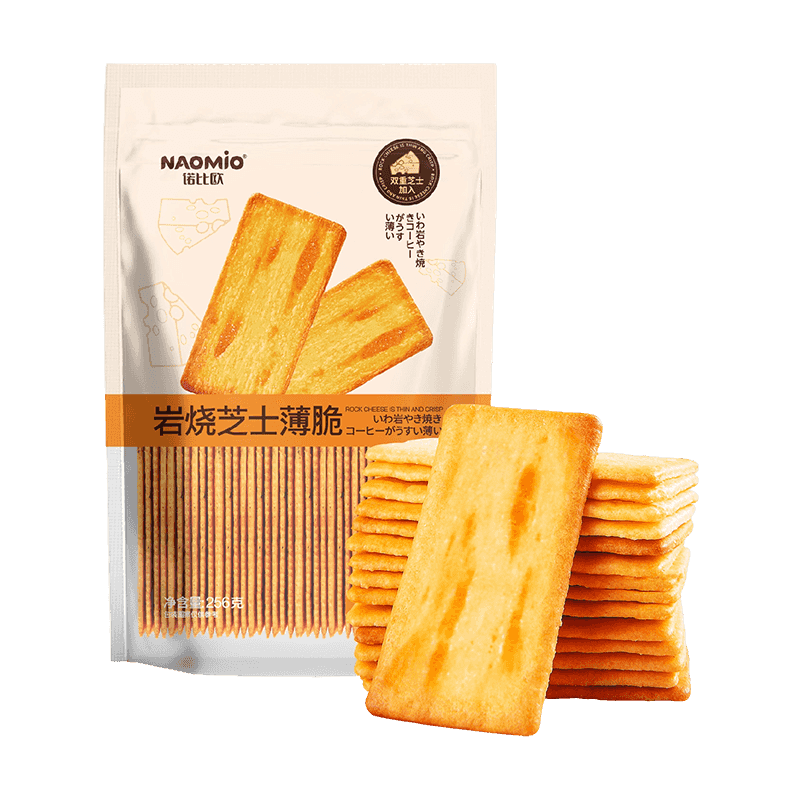 Ultra-Thin Rock-Baked Cheese CrispsUltra-thin cheese-flavoured biscuits with imported cheese, rock-baked for crispness and packed in portable 20-piece bags.View Product →
Our cheese-flavoured thin crispy biscuits follow the same logic, by the way. Thinness keeps the cracker crisp and the portion light, while the cheese note is exactly where the extra richness comes from.
Crackers are a broad family, and calorie density varies less than most people expect. A saltine-style cracker, a thin crispy biscuit and a buttery round cracker all sit in a similar band per gram, so the style you pick mostly changes the flavour and the crunch rather than the energy. If you want side-by-side numbers for the plain salted style, we have already broken down how many calories are in a saltine cracker.
What genuinely changes your total is how many grams you eat. Two thick, generously topped crackers can weigh as much as five thin ones. That makes weight, not width, the honest way to compare one cracker against another.
We have been baking biscuits in Yuyao since 2000, and the question of what a cracker really costs you comes up in almost every conversation with buyers. Our answer tends to be the same: keep the cracker thin, keep the sugar in check, and let the flavour carry the rest.
That thinking sits behind our thin crispy biscuit range and the sugar-free soda crackers beside it. A butter-flavoured milk biscuit, for example, gives you the buttery note people look for in a round cracker without turning the biscuit into a dessert.
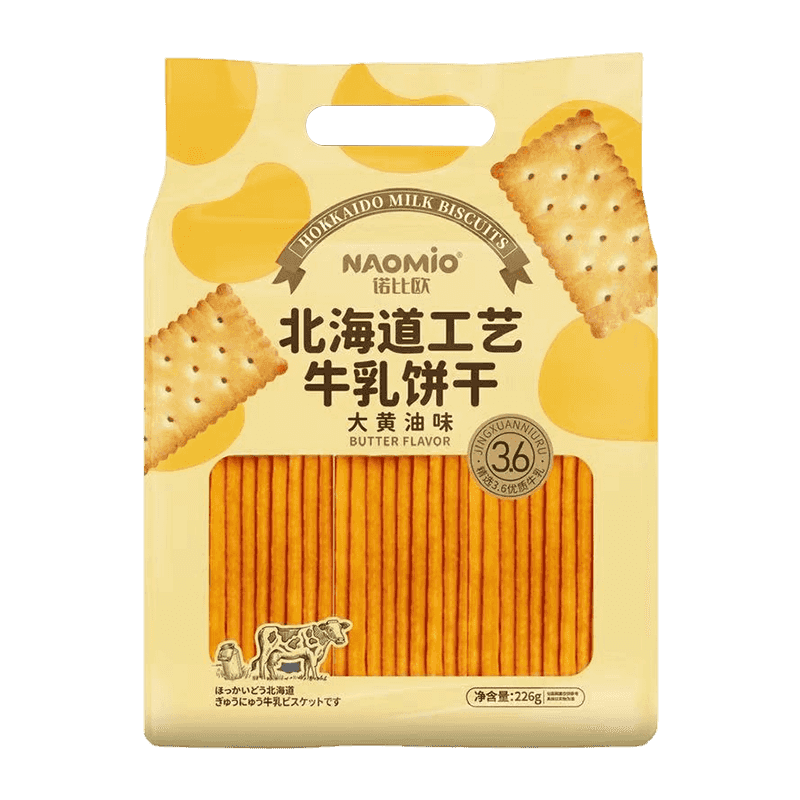 Hokkaido Butter Flavour Milk BiscuitsIndividually wrapped milk biscuits made with fresh milk and New Zealand butter, ready to eat for tea breaks or portable snacking.View Product →
For savoury snacking, a sea salt soda cracker is among the lightest things we bake. It is rolled thin, seasoned simply, and built for the kind of snacking where you want flavour without a heavy, oily finish.
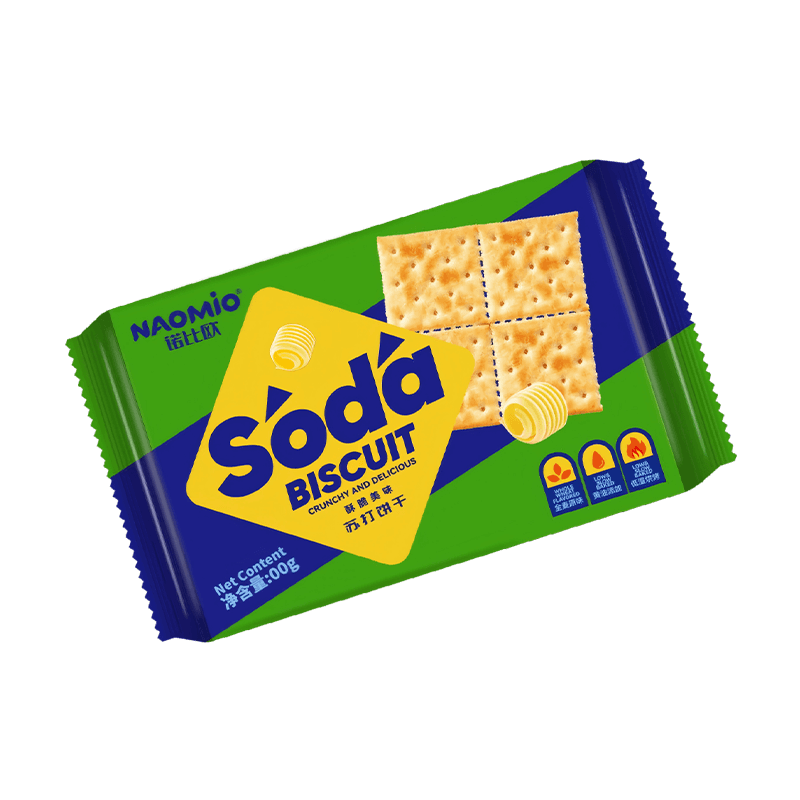 Sugar-Free Sea Salt Soda CrackersSugar-free soda crackers sprinkled with sea salt, fermented for light flaky layers and suited to tea, office snacking or toppings.View Product →
None of these are calorie-free, and we would not pretend otherwise. They are simply designed so that a normal serving feels like enough, which is the part most snack food gets wrong.
Are all Town House crackers the same? No. The original and the Light & Buttery versions differ by about 10 calories per serving, and topped or flavoured varieties run higher still.
Is 70 calories a lot for a snack? Not really. It is under four percent of a 2,000-calorie day, roughly the same as a small apple or a level tablespoon of peanut butter.
How many crackers are in 100 calories? About six or seven of the original crackers, or five of the Light & Buttery ones with a little margin left over.
Do crackers cause weight gain on their own? No single food does. Your overall calorie balance decides that. A serving fits comfortably into most plans; an entire sleeve in one sitting less so.
Should I count the topping? Yes. Cheese, butter and seeds all carry calories, and a generous spread can double what started as a light snack.
So the answer settles between 14 and 16 calories for a single Town House cracker, and around 70 to 80 for the serving printed on the box. Those numbers are small enough that crackers can stay in the rotation, and specific enough that you can plan around them instead of guessing.
Read the serving size once, do the division once, and the rest is simply choosing how much crunch you want with your coffee.
Content
Water crackers have a way of looking lighter than they are. They are thin, dry and neutral-tasting, so it is easy to assume they are almost carb-free...
READ MOREPeanut butter crackers are one of those snacks that seem simple until you start counting. A single cracker, a little sandwich pack, or a handful with...
READ MOREHow Many Calories Are in a Saltine Cracker? A single standard saltine cracker contains approximately 13 calories. Most people eat them in servings of...
READ MOREAs a professional cracker manufacturer, we hear this question often: how many carbs are in soda crackers? The quick answer is that a standard serving...
READ MORE





No. 232 Xinxin Road, Xinxin Industrial Village, Langxia Street, Yuyao City, Zhejiang Province
+(86) 187-6812-9528
