
 English
 中文简体
 Español
 عربى


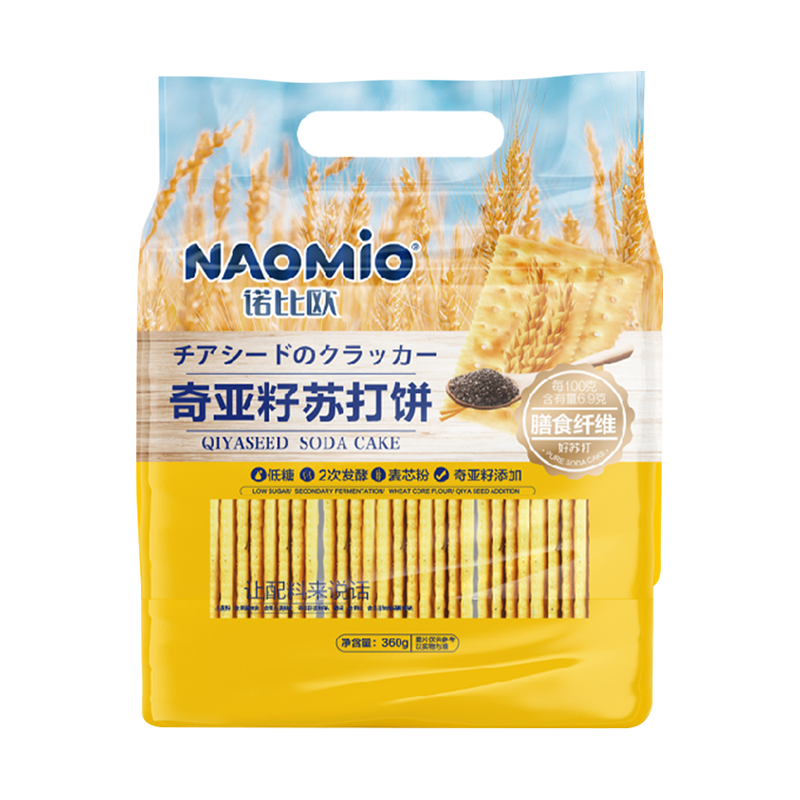
Water crackers have a way of looking lighter than they are. They are thin, dry and neutral-tasting, so it is easy to assume they are almost carb-free...
READ MORE
 2026.11.19
 Industry News
Peanut butter crackers are one of those snacks that seem simple until you start counting. A single cracker, a little sandwich pack, or a handful with extra peanut butter can all carry different calorie totals. In our experience as a biscuit maker, the most useful answer is not one fixed number. Many packaged peanut butter sandwich crackers sit around 190 to 210 calories per individual pack, while a single plain cracker with a thin smear of peanut butter is often closer to 45 to 70 calories. The exact figure depends on the cracker’s weight, the filling, and how many pieces you actually eat.
Here is a practical overview for common ways people enjoy peanut butter crackers. These are approximate ranges, not laboratory-exact figures, because recipes and pack sizes vary.
| Style | Typical portion | Approx. calories | What affects the number |
|---|---|---|---|
| Packaged peanut butter sandwich crackers | 1 pack, about 6 crackers, 39–43 g | 190–220 | Cracker weight, filling amount, added oils and sugar |
| Single packaged peanut butter cracker | 1 cracker from a sandwich pack | 25–40 | Cracker size and how thick the filling is |
| Homemade cracker with peanut butter | 1 plain cracker plus 1 teaspoon peanut butter | 50–70 | Cracker recipe and the amount of spread |
| Larger homemade sandwich | 2 crackers plus 1 tablespoon peanut butter | 130–170 | Peanut butter type, added honey, jam, or other extras |
The pattern is clear: peanut butter crackers are not a single calorie category. A small sandwich pack may fit neatly into a snack routine, while a generous homemade spread can move into a different range very quickly.
A thicker cracker weighs more, and weight is the first thing a nutrition label measures. Two packs can both say “six crackers,” yet one may weigh 39 grams and another 43 grams. Those few grams add up because crackers are mostly flour and starch, with some fat and sugar depending on the recipe. If one brand uses eight smaller crackers and another uses six larger ones, the calorie count per cracker can look quite different even when the pack total is similar.
Peanut butter is calorie-dense because it contains fat, and fat provides more calories per gram than protein or carbohydrate. A thin, dry filling and a creamy, generous filling are not the same snack. Some fillings also include added oils, sugar, or flavorings to make them smoother or sweeter. That does not make peanut butter a “bad” food, but it does explain why the filling amount matters so much.
Once you move beyond plain crackers and plain peanut butter, small additions start to count. A honey-flavored filling, a chocolate coating, or a seasoned cracker can add calories without making the snack feel much larger. This is why two products with similar packaging may differ by 20 to 40 calories per pack.
The most common mistake is reading the front of the pack and missing the serving size on the back. A label may list calories for one cracker, one sandwich, or one whole pack. If a box contains multiple packs and you eat more than one, multiply the number. The label is telling you about a measured portion, not about how hungry you happen to be.
A nutrition label can answer the calorie question quickly if you follow a simple order. Here is the sequence we recommend to customers who want a clear picture.
For a quick example, imagine a pack of six peanut butter crackers at 200 calories. If the box holds three packs and you eat all three during a long afternoon, you have eaten about 600 calories from crackers alone. That may still fit your day, but it is useful to see the number before it happens rather than afterward.
Dividing the pack total by the number of crackers gives you a useful working number. It will not be perfect, since crackers and filling are not identical, but it helps with portion decisions.
This math matters because “one cracker” can mean very different things. A small square cracker, a round sandwich cracker, and a thick homemade biscuit do not share the same weight or calorie load.
When peanut butter is the star, the cracker should support it rather than fight with it. We look for a base with a clean flavor, a pleasant crunch, and a texture that does not crumble into dust before the first bite. A very sweet or heavily flavored cracker can make the peanut butter taste muddled, while a simple cracker lets the filling do its job.
A simple milk-style biscuit can be a good base if you want a gentle flavor and plan to control the spread yourself. Its texture matters as much as its calorie count: a crisp cracker gives a satisfying contrast, while a softer biscuit may need less peanut butter to feel rich. If you use a flavored cracker, taste it first and adjust the filling amount; a cheese or spice note can pair well with peanut butter, but it also changes the overall snack.
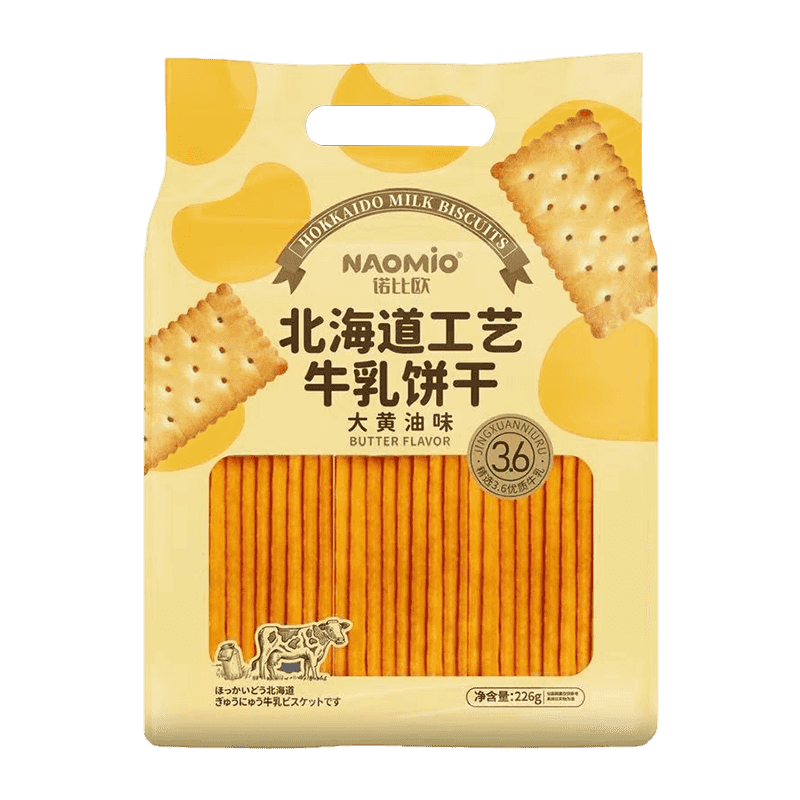
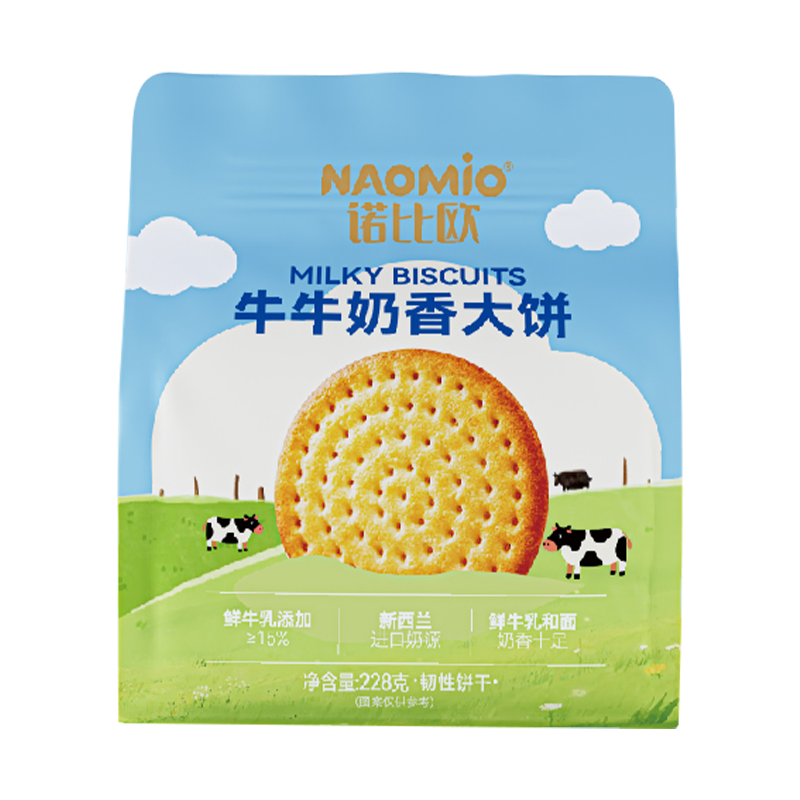 Nobio Milk Flavoured Flatbread Milky BiscuitsA ready-to-eat milk-flavoured biscuit with fresh milk and whole milk powder; its crisp exterior and soft center make a simple base for controlled snacking.View Product →
For packaged peanut butter crackers, the manufacturer has already chosen the cracker, filling, and portion for you. For homemade snacking, you get to choose the balance. That control is the real advantage: you can use a modest scrape of peanut butter on a crisp biscuit and still get the creamy, salty contrast you wanted.
Calories are only one part of a snack. Peanut butter offers some protein and fat, which can help a small portion feel more satisfying than a handful of plain crackers. The goal is not to label a snack as “good” or “bad,” but to notice how it fits with the rest of your day.
This approach keeps the snack practical. You do not need to weigh every cracker, but you do need a rough idea of the pack total and the portion you are actually eating.
A single cracker from a packaged sandwich pack is often around 25 to 40 calories. A plain cracker with a teaspoon of peanut butter is usually closer to 50 to 70 calories. The spread amount makes the biggest difference.
They are moderate to moderately high for a snack, mainly because peanut butter contains fat. A typical individual pack near 200 calories can fit into many eating patterns, but the total depends on how many packs you eat and what else is on the plate.
Not necessarily. Sugar is only one source of calories; starch, fat, and serving size also matter. If you want to go deeper into biscuit nutrition, this guide to the nutritional value of biscuits is a useful next step.
For many people, yes, if the portion is planned and the rest of the day is balanced. The key is to count the pack or the spread honestly, then decide whether it is worth the calories at that moment. No single snack decides the whole plan.
At our bakery, we have learned that snack questions rarely have one dramatic answer. Peanut butter crackers usually fall somewhere between 150 and 210 calories per serving, with individual crackers landing much lower. The label on your pack is the most reliable guide, and a simple plate, a quick division, and a little attention to the filling will tell you more than any universal number. Enjoy the crunch, measure the spread, and let the snack fit the day rather than letting the day fit the snack.
Content
Water crackers have a way of looking lighter than they are. They are thin, dry and neutral-tasting, so it is easy to assume they are almost carb-free...
READ MOREHow Many Calories Are in a Saltine Cracker? A single standard saltine cracker contains approximately 13 calories. Most people eat them in servings of...
READ MOREAs a professional cracker manufacturer, we hear this question often: how many carbs are in soda crackers? The quick answer is that a standard serving...
READ MOREYour stomach is queasy, the soup is hot, and the clock says it is too early for dinner. You reach for a sleeve of soda crackers almost without thinki...
READ MORE





No. 232 Xinxin Road, Xinxin Industrial Village, Langxia Street, Yuyao City, Zhejiang Province
+(86) 187-6812-9528
