
 English
 中文简体
 Español
 عربى

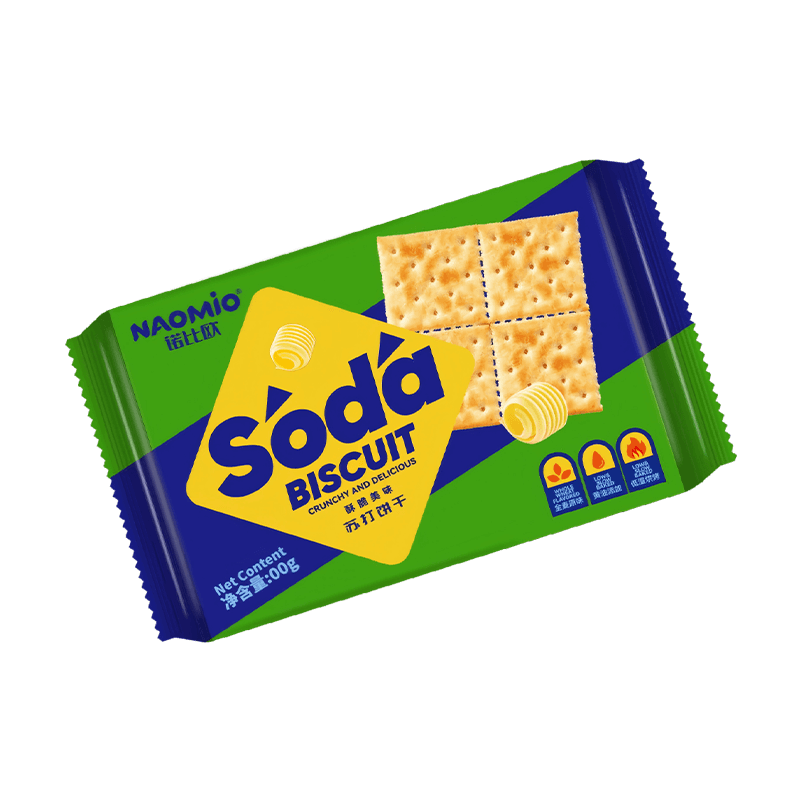
Peanut butter crackers are the kind of snack that seems to live forever in the back of a desk drawer. The truth is a little more nuanced. A sealed, c...
READ MORE
 2026.11.12
 Industry News
Saltine crackers have a reputation for lasting almost forever. Anyone who has dug a half-empty sleeve out of the back of a cupboard knows the truth is a little more complicated: they rarely become dangerous, but they do lose the dry snap that makes them worth eating. We have been baking biscuits and crackers since 2000, and we have seen both outcomes many times over — a box that stayed crisp for months and a sleeve that went soft within a week.
So how long do saltine crackers last? The honest answer depends less on the cracker than on the wrapper, the room it sits in, and how often the sleeve gets opened. Below is what we have learned about shelf life, the signs that a cracker has turned, and the small habits that keep a pack fresh down to the last square.
An unopened pack, stored somewhere dry and reasonably cool, usually holds its best quality for about six to nine months from the production date. That window comes from the cracker itself: very little moisture, a small amount of fat, salt, and a sealed inner wrapper that keeps humid air out. Saltines are a low-moisture food, which is exactly why they sit happily on a pantry shelf instead of in the refrigerator.
Once the inner sleeve is opened, everything changes. Each time you roll the paper back, fresh air and moisture slip in, and the crackers start to soften within days rather than months. An opened sleeve is usually at its best within two to three weeks, and in a steamy kitchen that window can shrink to a single week.
| Storage situation | Typical shelf life | What to expect |
|---|---|---|
| Unopened sleeve, pantry | 6 to 9 months | Full crunch, clean flavor |
| Opened sleeve, pantry, well sealed | 2 to 3 weeks | Slow softening toward the end |
| Opened sleeve, refrigerator | 3 to 4 weeks | Longer life, but condensation risk |
| Freezer, airtight container | 6 to 12 months | Crunch returns after thawing |
| Homemade or bakery-style crackers | 1 to 2 weeks | Shorter life, richer flavor |
Treat these figures as a guide rather than a rule. A sealed pack in a cool, dry cupboard in winter will often outlast the same pack in a humid kitchen in July, and crackers left open on the counter during a rainy week can soften well before the calendar says they should.
Not necessarily. The date printed on most cracker packaging is a best-by date, and it speaks to quality more than safety. A saltine is a dry, shelf-stable food, so it does not support the mold and bacterial growth that fresh bread does. If the pack has stayed sealed and dry, the crackers are often perfectly edible months past that date; they simply taste flatter, feel a little softer, and lose the toasty note that makes a fresh saltine so appealing.
The real exception is moisture. A pack exposed to damp air, a leaking ceiling, or a spilled drink is a different story, even if the printed date is still in the future. When in doubt, judge the cracker rather than the calendar.
Most of the time, a tired cracker tells you so before you take a bite. Look and listen for these signs:
Of these, only mold and rancidity are genuine safety concerns. A softened cracker is not harmful, just disappointing — which is why many households crumble stale saltines into soup, meatloaf, or a breadcrumb coating instead of binning them.
A folded-over sleeve is better than nothing, but it is not airtight. Transfer leftovers to a tin or glass jar with a snug lid, or clip the inner wrapper and stand it upright inside a sealed container. A small silica gel packet dropped in the tin absorbs the moisture that creeps in every time you open it.
Heat speeds up the oxidation of fat and softens texture, and direct sunlight does the same. A closed cupboard away from the oven is ideal; the space directly above a stove is not.
Dry crackers behave like a sponge for aromas. Storing them beside coffee beans, garlic, or scented cleaning supplies will change how they taste long before they go stale.
Two smaller packs often stay fresher than one large one, simply because the second pack stays sealed while the first is being eaten. If you cook with crackers regularly, rotate the older pack to the front of the shelf so nothing is forgotten.
If you like to keep a tin on hand for soup nights and cheese boards, a plain, well-sealed soda cracker is the easiest thing to store. Our salt soda crackers are baked thin and packed tight for exactly that kind of everyday use.
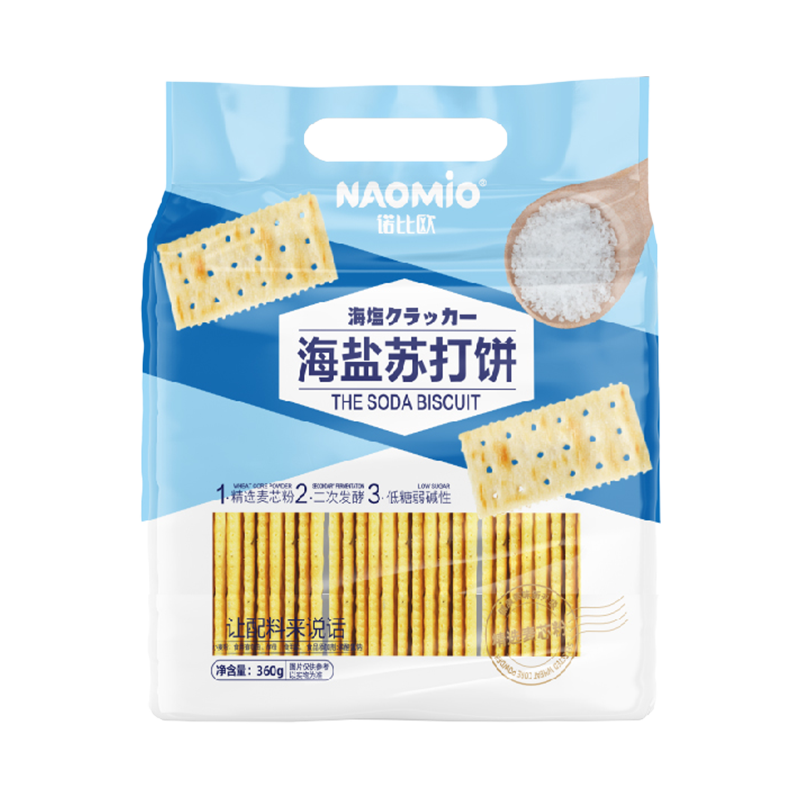
 Salt Soda Crackers for Everyday StorageThin, tightly packed sea-salt soda crackers suited to keeping on hand for soup nights and cheese boards.View Product →
Yes, and freezing is the most underused trick we know. Cold slows the small exchanges of moisture and oxygen that make crackers go stale, so a sleeve placed in a freezer bag or airtight container with the air pressed out will hold its texture for six to twelve months.
The important part is the thaw. Leave the container sealed and let it come back to room temperature on the counter; opening it while still cold invites condensation, and condensation is the enemy of crunch. If a frozen cracker tastes slightly soft anyway, five minutes in a low oven at around 150°C will bring the snap back. Double-wrap if your freezer holds strongly flavored foods, because crackers will absorb those smells through thin plastic.
Saltines are built for a long shelf life, but not every cracker is. Thinner, richer biscuits — the kind with more butter, cheese powder, or seeds — carry more fat, and fat is the ingredient most likely to turn rancid over time. They are also more fragile, so they crack and crumble faster in the pack. A cheese-flavored cracker can be perfectly safe at month nine yet taste dull and heavy, which is why richer styles are best eaten within a few months of opening.
Our thin crispy cheese biscuits sit at that richer end of the spectrum: light, savory, and best enjoyed while the flavor is still bright rather than saved for a rainy day.
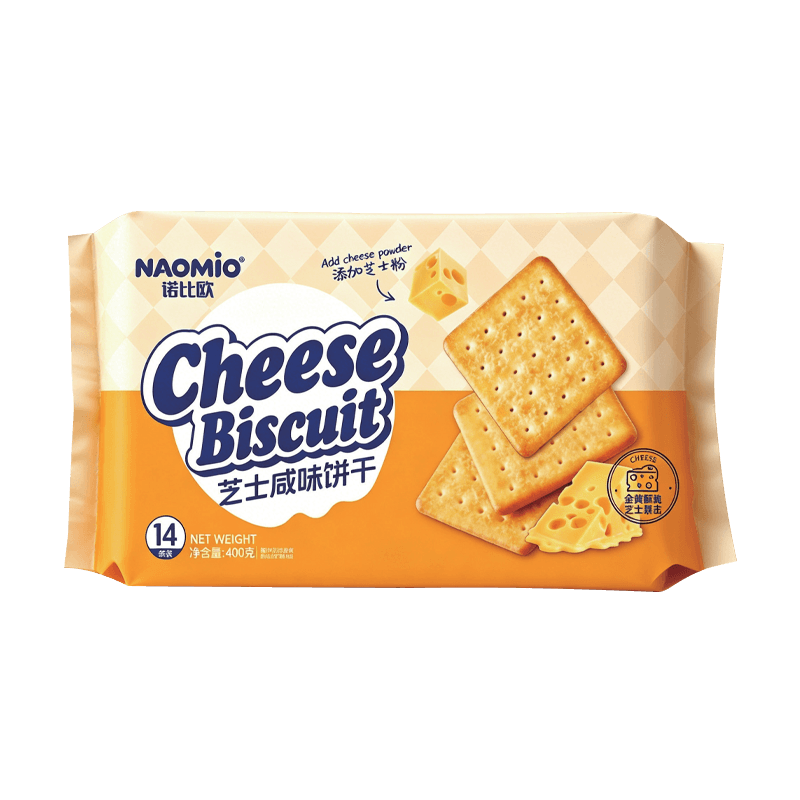
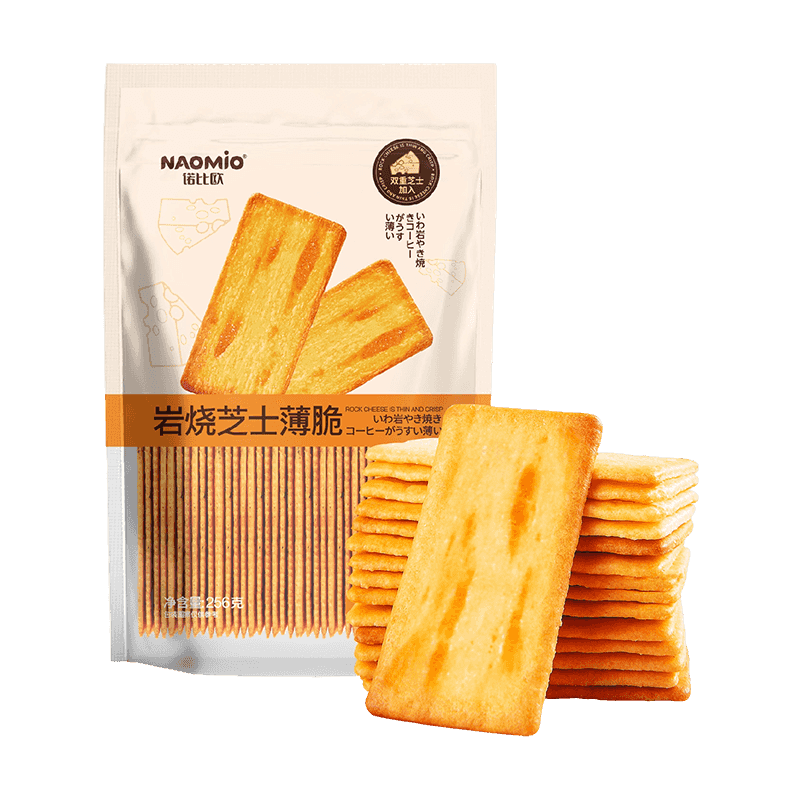 Thin Crispy Cheese Biscuits with Imported CheeseUltra-thin rock-baked cheese crisps with a rich, savory flavor, best enjoyed fresh rather than stored long-term.View Product →
When you are buying crackers to store, three things matter more than brand or price. First, packaging: a sealed inner sleeve inside a sturdy box protects far better than a loose bag. Second, the ingredient list: shorter lists with less added fat and sugar tend to age more gracefully. Third, freshness on the shelf: check the production date and choose the newest pack you can find, since the six-to-nine-month clock starts at baking, not at purchase.
It also helps to know what you are eating. A plain saltine is light but not calorie-free, and a handful adds up quickly — our guide on how many calories are in a saltine cracker breaks down the numbers if you are watching your intake. For everyday stocking, low-sugar soda crackers strike a pleasant balance between a clean, simple flavor and a texture that survives a few weeks in a tin.
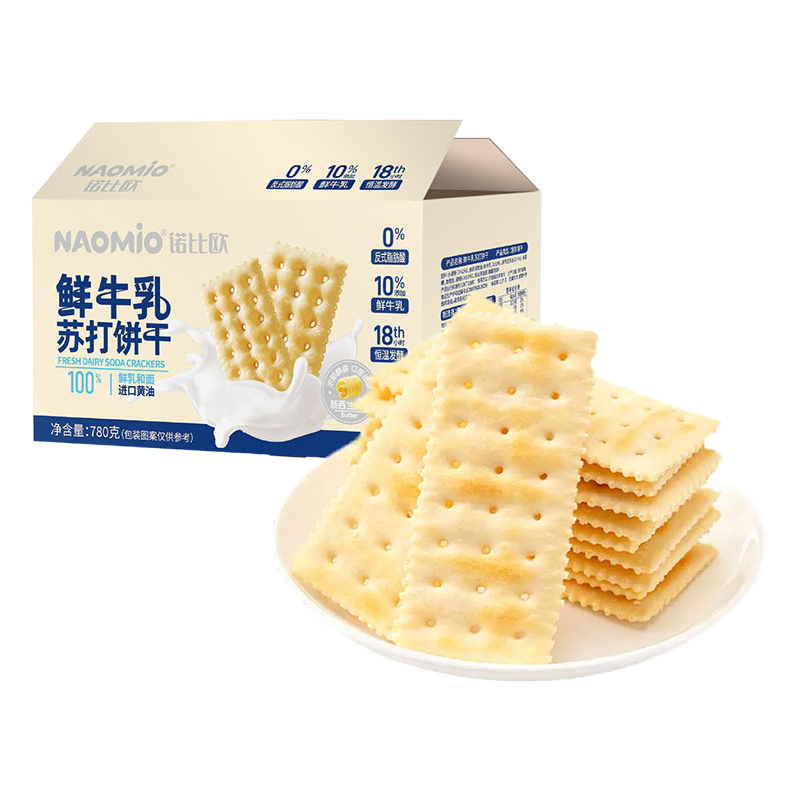
 Low-Sugar Milk Soda Crackers with Fresh MilkLow-sugar soda biscuits made with fresh milk and butter, offering a simple flavor for everyday stocking and sugar-conscious snacking.View Product →
To sum it up: an unopened pack of saltine crackers keeps its best quality for roughly six to nine months, an opened sleeve is worth finishing within two to three weeks, and the freezer can stretch either one considerably. Beyond the printed date, your own senses are the most reliable test — a cracker that still snaps, smells of toasted grain, and shows no discoloration is almost certainly fine.
After more than two decades of baking crackers, we still think the simplest advice is the best: buy a pack you can finish, seal it properly, keep it cool and dry, and enjoy it while the crunch is at its peak.
Content
Peanut butter crackers are the kind of snack that seems to live forever in the back of a desk drawer. The truth is a little more nuanced. A sealed, c...
READ MORESaltine crackers are produced through a tightly controlled industrial sequence: ingredient mixing, dough fermentation and sheeting, rotary cutting, b...
READ MOREAs a professional cracker manufacturer, we hear this question often: how many carbs are in soda crackers? The quick answer is that a standard serving...
READ MOREAt first glance, a soda cracker seems almost too simple to deserve a factory tour. It is a thin, square, lightly salted wafer that snaps cleanly when...
READ MORE





No. 232 Xinxin Road, Xinxin Industrial Village, Langxia Street, Yuyao City, Zhejiang Province
+(86) 187-6812-9528
