
 English
 中文简体
中文简体 Español
 عربى
عربى
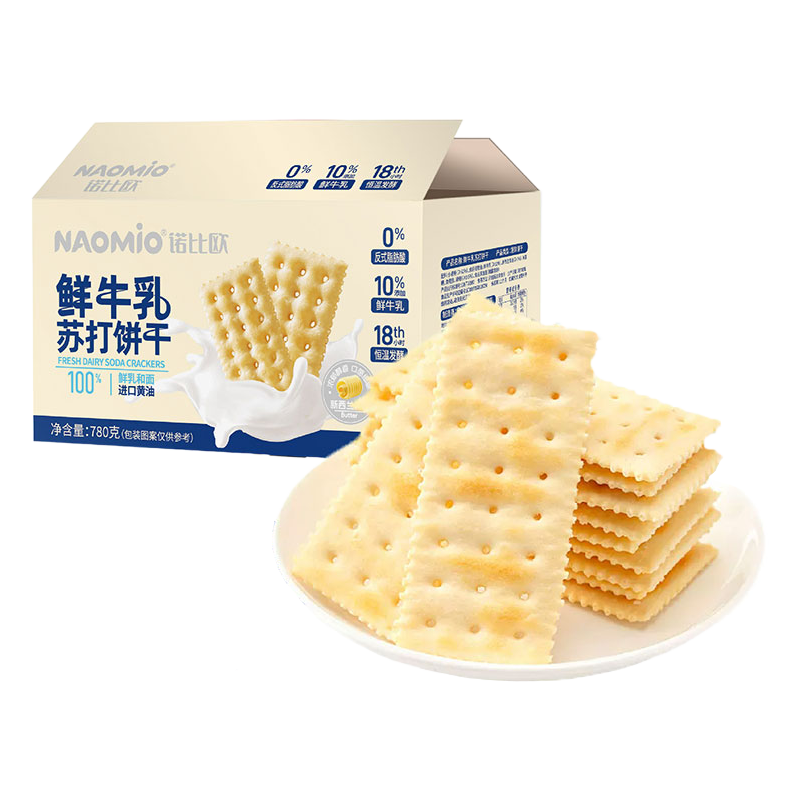
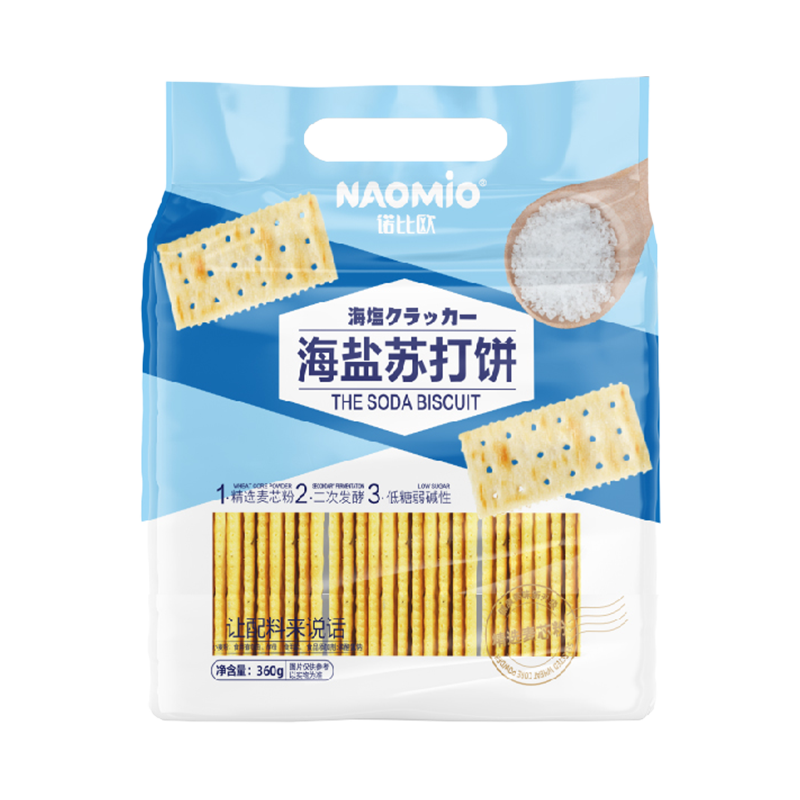
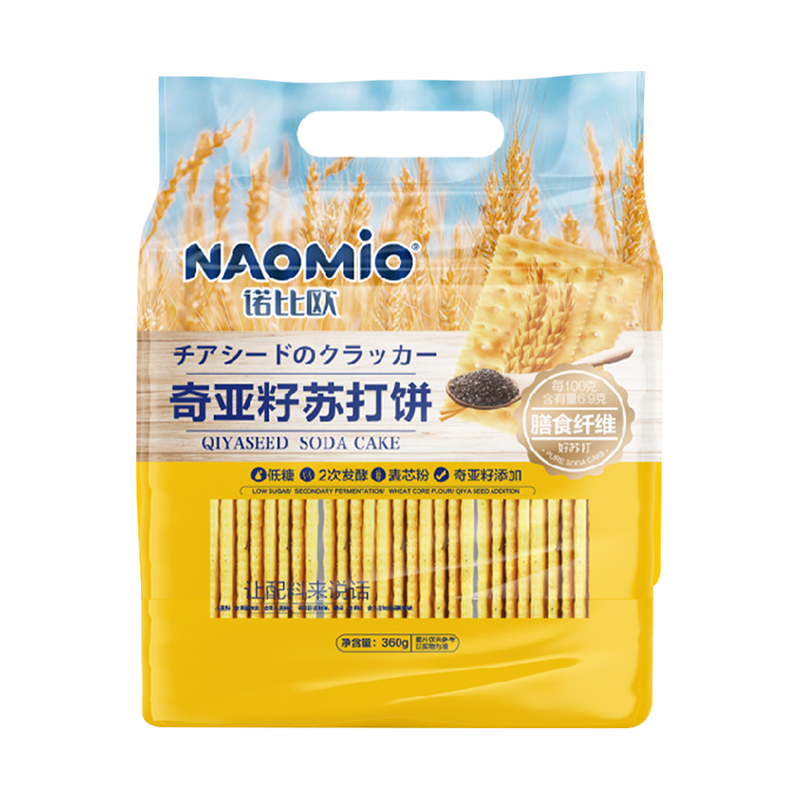
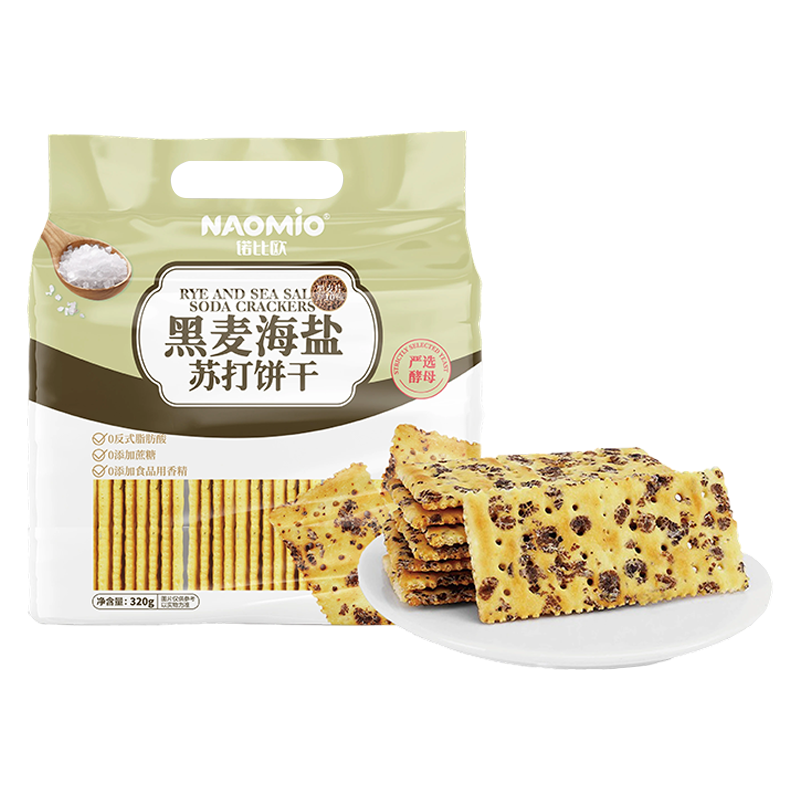
As a professional cracker manufacturer, we hear this question often: how many carbs are in soda crackers? The quick answer is that a standard serving...
READ MORE
 2026.04.22
 Industry News
A single standard saltine cracker contains approximately 13 calories. Most people eat them in servings of 5 crackers, which adds up to about 65–70 calories. A full sleeve of saltines (roughly 40 crackers) contains around 520 calories. These numbers can shift slightly depending on the brand and variety — particularly for low sodium or low-sugar versions — but the standard figures remain consistent across major manufacturers like Premium, Keebler, and Nabisco.
Saltine crackers are thin, crisp, lightly salted squares made from white flour. They are one of the most commonly consumed crackers in the United States, often eaten plain, with soup, or topped with cheese or peanut butter. Understanding their calorie content is especially important for people tracking daily intake or managing dietary conditions.
Beyond calories, saltine crackers carry a modest but meaningful nutritional profile. The following table shows the typical nutrition facts for a standard serving of 5 saltine crackers (approximately 15g):
| Nutrient | Per 1 Cracker (~3g) | Per 5 Crackers (~15g) |
|---|---|---|
| Calories | 13 | 65 |
| Total Fat | 0.3g | 1.5g |
| Saturated Fat | 0.05g | 0.3g |
| Sodium | 32mg | 160mg |
| Total Carbohydrates | 2.2g | 11g |
| Dietary Fiber | 0.1g | 0.4g |
| Sugars | 0.06g | 0.3g |
| Protein | 0.3g | 1.5g |
| Iron | 0.2mg | 1mg (6% DV) |
Saltine crackers are predominantly carbohydrate-based, with very low fat and minimal protein. Their sugar content is negligible — under 0.1g per cracker — which makes them distinct from many other snack crackers that contain added sweeteners.
The terms "saltine" and "soda cracker" are often used interchangeably, but there is a subtle distinction worth noting. Soda crackers are the broader category, leavened with baking soda, while saltines are a specific type of soda cracker that includes a light sprinkling of coarse salt on top.
Nutritionally, standard soda crackers and saltines are nearly identical:
The primary practical difference is that unsalted soda crackers — sometimes marketed as "unsalted tops" — omit the surface salt entirely, which can be relevant for anyone closely monitoring sodium intake. Both types use enriched white flour as the main ingredient, giving them a similar glycemic impact and calorie density.
Low sodium soda crackers are specifically formulated to reduce salt content without significantly altering other nutritional values. The calorie count remains essentially the same — around 13 calories per cracker — but sodium drops considerably.
| Variety | Sodium per 5 Crackers | Calories per 5 Crackers |
|---|---|---|
| Standard Saltines | ~160mg | ~65 |
| Unsalted Top Saltines | ~105mg | ~65 |
| Low Sodium Soda Crackers | ~35–50mg | ~60–65 |
For individuals managing hypertension, heart disease, or kidney conditions, choosing low sodium soda crackers can reduce sodium intake by up to 75% per serving compared to standard saltines — without sacrificing the familiar texture or taste.
Popular low sodium options include Premium Unsalted Tops (Nabisco), Keebler Zesta Unsalted Tops, and store-brand low sodium varieties from Target and Walmart. Always check the label, as "reduced sodium" and "low sodium" are defined differently by FDA guidelines — "low sodium" means 140mg or less per serving.
Since standard saltines already contain very little sugar — typically less than 0.5g per 5-cracker serving — the concept of a specifically "low-sugar soda cracker" is less commercially prominent than the low sodium category. However, for people managing blood sugar, diabetes, or following low-carb diets, understanding the sugar and carbohydrate content of all crackers matters.
Although saltines are naturally low in sugar, they are still high in refined carbohydrates. The starch in white flour converts rapidly to glucose in the body, which means saltines have a high glycemic index (GI) of approximately 74, similar to white bread. This can cause rapid spikes in blood sugar even though the sugar content itself is minimal.
For those specifically seeking low-sugar soda crackers, here are practical options to consider:
If your concern is strictly sugar content, standard saltines already qualify as a low-sugar option. If your concern is broader blood sugar management, consider whole grain or seed-based alternatives that deliver lower net carbs and a flatter glucose response.
Saltines are among the lower-calorie cracker options on the market, largely due to their thin profile and minimal fat content. Here's how they compare per standard serving:
| Cracker Type | Serving Size | Calories | Sodium | Sugar |
|---|---|---|---|---|
| Saltine / Soda Cracker | 5 crackers (15g) | 65 | 160mg | 0.3g |
| Ritz Crackers | 5 crackers (16g) | 80 | 105mg | 1g |
| Triscuit (Original) | 6 crackers (28g) | 120 | 160mg | 0g |
| Wheat Thins | 16 crackers (29g) | 130 | 200mg | 4g |
| Graham Crackers | 2 sheets (28g) | 120 | 95mg | 7g |
| Rice Cakes (plain) | 1 cake (9g) | 35 | 30mg | 0g |
Saltines offer fewer calories and less sugar than most popular crackers, making them a relatively neutral snack base. Their weakness, however, is refined carbohydrates — a consideration for anyone following a low-GI or ketogenic diet.
Saltines are not a nutrient-dense food, but they serve specific dietary purposes well. Here's an honest look at where they help and where they fall short:
In summary, saltines are best used as an occasional snack or a functional food — particularly for digestive comfort — rather than a nutritional cornerstone. Choosing low sodium varieties and pairing them with protein or healthy fats significantly improves their overall dietary value.
Because saltines are predictably low in calories, they can be incorporated thoughtfully into a calorie-controlled eating plan. Here are practical strategies:
Content
As a professional cracker manufacturer, we hear this question often: how many carbs are in soda crackers? The quick answer is that a standard serving...
READ MOREFew snacks are as quietly dependable as a saltine: square, thin, lightly blistered, dotted with tiny holes, and finished with a scatter of coarse sal...
READ MORESaltine crackers are produced through a tightly controlled industrial sequence: ingredient mixing, dough fermentation and sheeting, rotary cutting, b...
READ MOREThe Short Answer: Saltine Crackers Are Not Ideal for Diabetics Saltine crackers — including standard soda crackers and most yeast biscuits — are not ...
READ MORE





No. 232 Xinxin Road, Xinxin Industrial Village, Langxia Street, Yuyao City, Zhejiang Province
+(86) 187-6812-9528
