
 English
 中文简体
 Español
 عربى

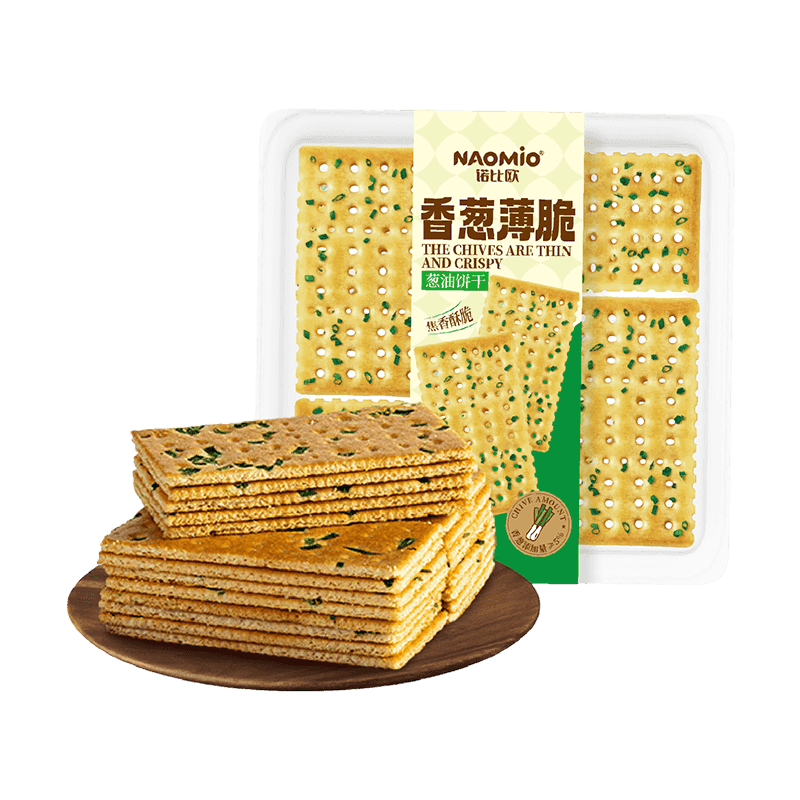
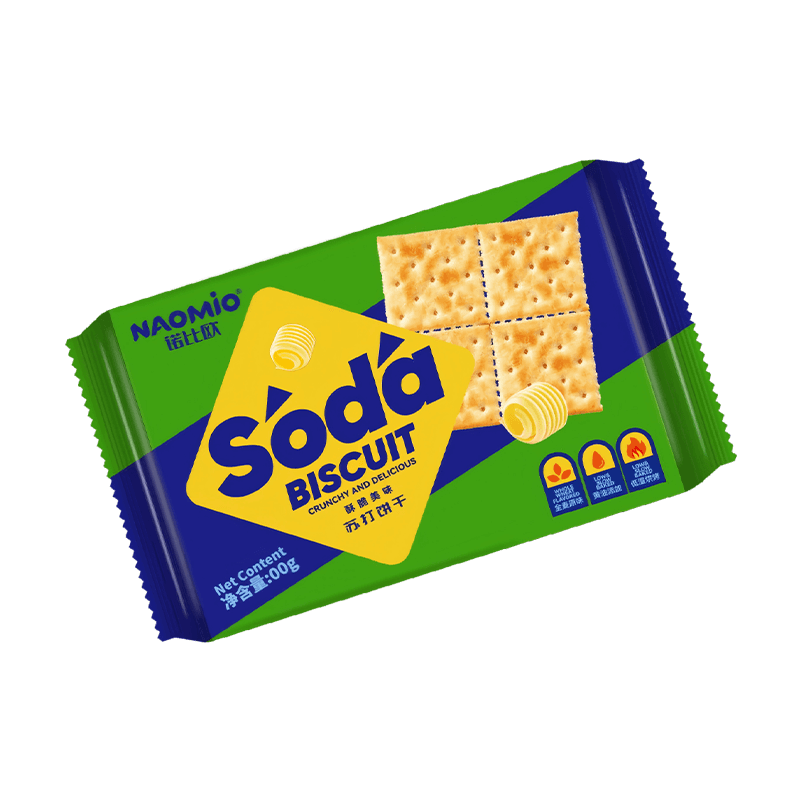
Cream crackers have a reputation problem. They are plain, dry, and eaten straight from the sleeve they can taste about as exciting as cardboard. Yet ...
READ MORE
 2026.10.20
 Industry News
Most people meet graham crackers as the slightly sweet squares that hold s'mores together or form the base of a cheesecake crust. The name sounds simple enough — just a cracker, named after someone named Graham, right? But the true story is stranger and more interesting than that. It begins with a fiery Presbyterian minister in nineteenth-century America who believed that white bread was slowly destroying the nation's soul.
Sylvester Graham was born in 1794 in West Suffield, Connecticut. He studied at Amherst College and was ordained as a Presbyterian minister, though he would spend most of his public life not behind a pulpit but on a lecture platform. In the 1830s, as America's cities were expanding and commercial bakeries were increasingly refining wheat into fine white flour, Graham began a national crusade.
His message was part health advice, part moral philosophy. He argued that the human body was not designed for rich foods, heavy spices, alcohol, or meat. He reserved his greatest contempt for white bread, which he called nutritionally depleted and spiritually dangerous. In its place, he recommended bread baked from coarsely ground whole wheat — flour that retained the bran and the germ of the wheat berry.
Graham's followers, known as Grahamites, took his teaching seriously. They opened Graham boarding houses and Graham schools, and millers across the Northeast began grinding wheat the way he recommended, producing the coarse meal that came to be known as Graham flour.
Graham's philosophy rested on a simple conviction: what you eat influences who you are. Spicy, rich, and stimulating foods, he believed, overexcited the body and awakened unhealthy passions. Bland, plain food, by contrast, kept the system calm and the spirit virtuous. His recommended diet was essentially vegetarian — fruits, vegetables, and bread made from his namesake flour.
Graham's dietary principles can be summarized in a few rules:
Modern ears may hear this as a faddish diet, but Graham was years ahead of his time in ways that ended up being validated. His emphasis on whole grains over refined flour anticipated the dietary fiber movement by more than a century. His warnings about heavily processed foods sound startlingly contemporary. The man was not merely a food crank; he was an early advocate of what we might now call clean eating.
Perhaps the most remembered detail of his doctrine is that he recommended bland foods as a way to subdue physical urges. The specifics of his reasoning were rooted in the physiology of his era, but the general outline — that rich foods stir the senses — has been a recurring theme in dietary reform ever since.
Here is where the story takes a turn: Sylvester Graham did not invent a cracker.
Graham flour is a type of whole-wheat flour that is ground more coarsely than standard whole-wheat flour. The wheat bran and germ are returned to the flour after milling, which gives it a distinctive speckled appearance and a slightly nutty flavor. In Graham's time, this was simply called "unbolted" flour — flour that had not been sifted to remove the coarse particles.
The name "graham cracker" is an accident of history. Graham himself never published a recipe for a cracker at all. What he promoted was a coarse, whole-wheat bread — dense, heavy, and intentionally unsweetened. Housewives who followed his system baked it at home, often in simple loaves rather than flat crackers.
The cracker form evolved later. Bakers discovered that the same whole-wheat dough, rolled thin and baked until crisp, was easier to store, easier to ship, and even easier to eat. By the late nineteenth century, commercial bakeries were producing "graham crackers" by the crate, even though Graham himself had been in his grave for decades. The transformation from heavy bread to light cracker marked the first step in what would become a very American pattern: a health food quietly converted into a mass-market snack.
| Aspect | Graham's Original Bread | Modern Graham Cracker |
|---|---|---|
| Flour | Coarse whole wheat, unbolted | Blend of refined and whole wheat |
| Sweetener | None | Sugar, honey, or molasses |
| Texture | Dense, chewy, heavy | Light, crisp, delicate |
| Primary purpose | Dietary reform and health | Snacking and dessert applications |
Sylvester Graham died in 1851 at the age of 57. His movement faded quickly without his commanding presence. Grahamite boarding houses closed, and the dietary societies that had formed around his teaching dissolved. But his name did not disappear — it travelled in flour sacks instead.
By the early twentieth century, graham crackers were a standard item on American grocery shelves. The original recipe had been sweetened to suit modern tastes, and the dense bread had become a crisp biscuit. Brands came and went, but the name graham doggedly survived each reformulation. It became a category, not a trademark: a style of whole-wheat cracker rather than a specific formula.
The cracker's survival owed much to its versatility. Graham crackers were eaten plain, spread with butter, crumbled into pie crusts, and eventually paired with chocolate and marshmallows to create s'mores. Each generation rediscovered the crackers as a comfort food, long after the reformer's moral agenda had been forgotten.
So why do we still call them graham crackers? The answer is that food names are surprisingly conservative. Even after the recipe changes, the name continues to identify the general style — much as "sandwich" still carries the name of an eighteenth-century nobleman who never intended his bread and meat to become a universal classic.
The word graham also drifted in meaning. In the late 1800s, "graham bread" meant bread made with coarsely ground whole-wheat flour, regardless of who baked it. The name became a descriptor of the flour itself, and manufacturers simply carried that descriptor onto their cracker boxes. Over time, grammarians would no doubt point out that a graham cracker ought to be a cracker made from graham flour — which, of course, it still is, in one form or another.
There is something fitting about this linguistic survival. Sylvester Graham spent years fighting to change how America ate, and although his moral campaign faded, his culinary legacy became indistinguishable from the everyday snack aisle.
As a manufacturer of biscuits and crackers, we find this story remarkably instructive. The graham cracker illustrates a truth that we see daily in our own production lines: the difference between a good biscuit and a great one is rarely a single dramatic change, but a series of small, carefully managed details. Flour selection, dough hydration, resting time, and baking temperature each make their contribution.
It is also a reminder that consumers are nostalgic about their snacks. A cracker is not merely a formula of flour and baking soda; it carries cultural memory. When we develop a new biscuit line, we pay close attention to texture, mouthfeel, and flavor — because those are the details people remember twenty years later.
We are not in the business of recreating nineteenth-century reform diets, of course. But we do share Graham's conviction that good ingredients, handled with care, produce something worth eating. And if a simple whole-wheat cracker could carry a name across two centuries, it is a good reminder that honest baking has a lasting shelf life.
Cream crackers have a reputation problem. They are plain, dry, and eaten straight from the sleeve they can taste about as exciting as cardboard. Yet ...
READ MOREAt first glance, a soda cracker seems almost too simple to deserve a factory tour. It is a thin, square, lightly salted wafer that snaps cleanly when...
READ MOREAs a professional cracker manufacturer, we hear this question often: how many carbs are in soda crackers? The quick answer is that a standard serving...
READ MORESaltine crackers are produced through a tightly controlled industrial sequence: ingredient mixing, dough fermentation and sheeting, rotary cutting, b...
READ MORE





No. 232 Xinxin Road, Xinxin Industrial Village, Langxia Street, Yuyao City, Zhejiang Province
+(86) 187-6812-9528
