
 English
 中文简体
中文简体 Español
 عربى
عربى

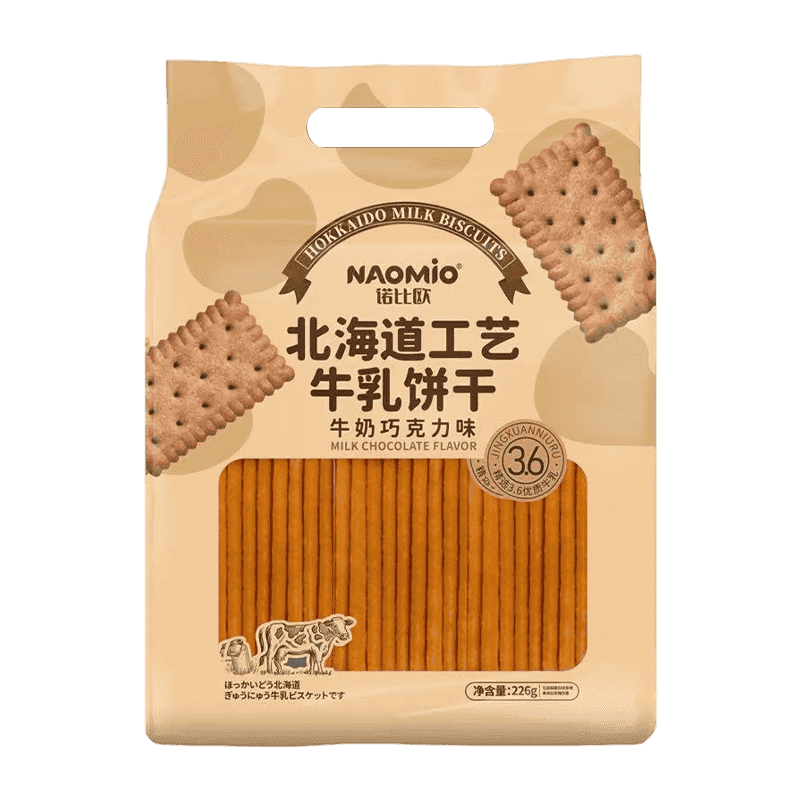
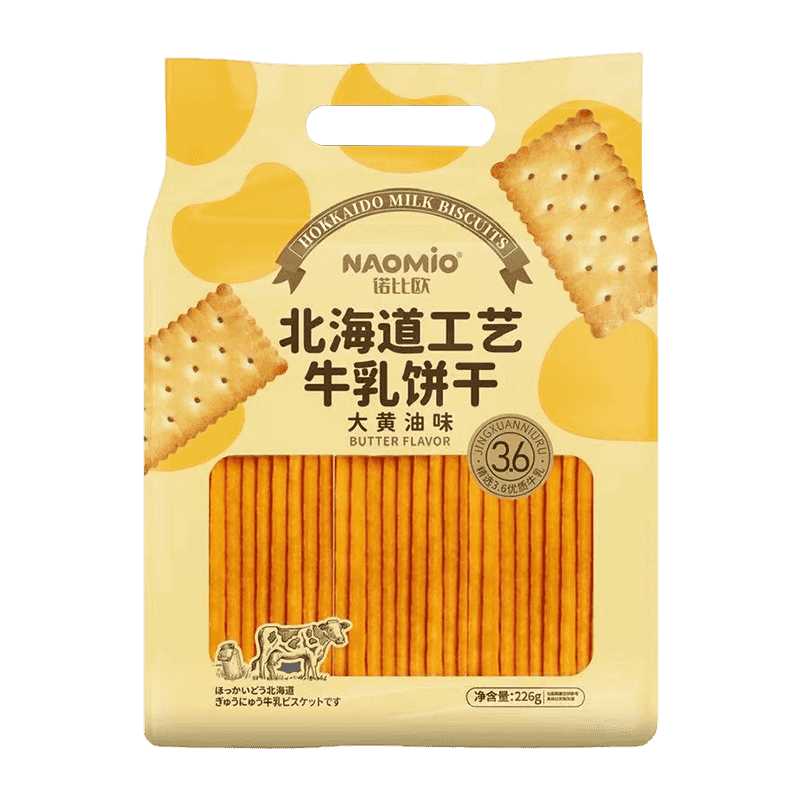
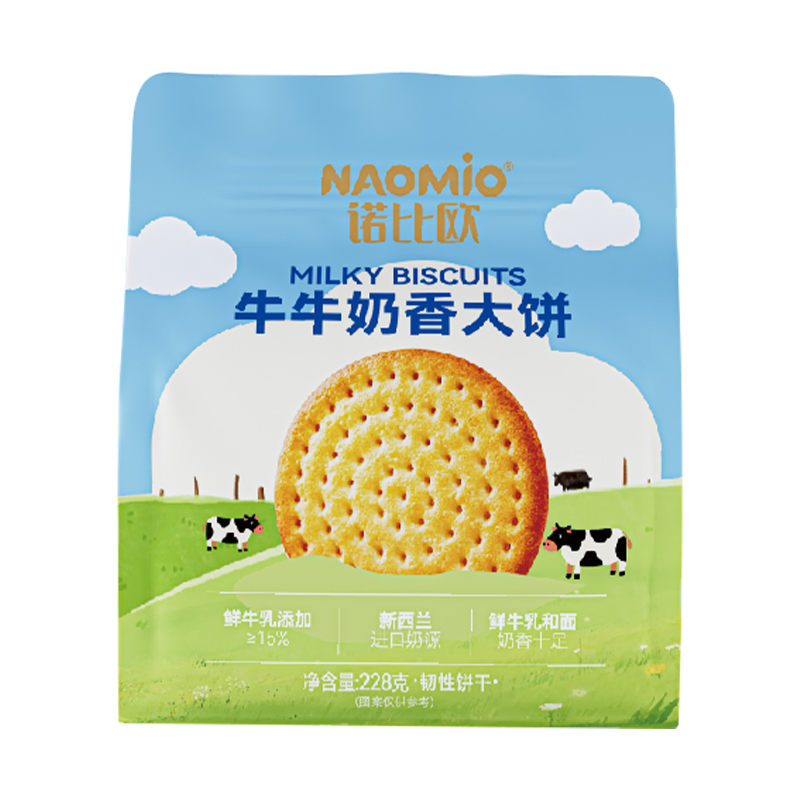
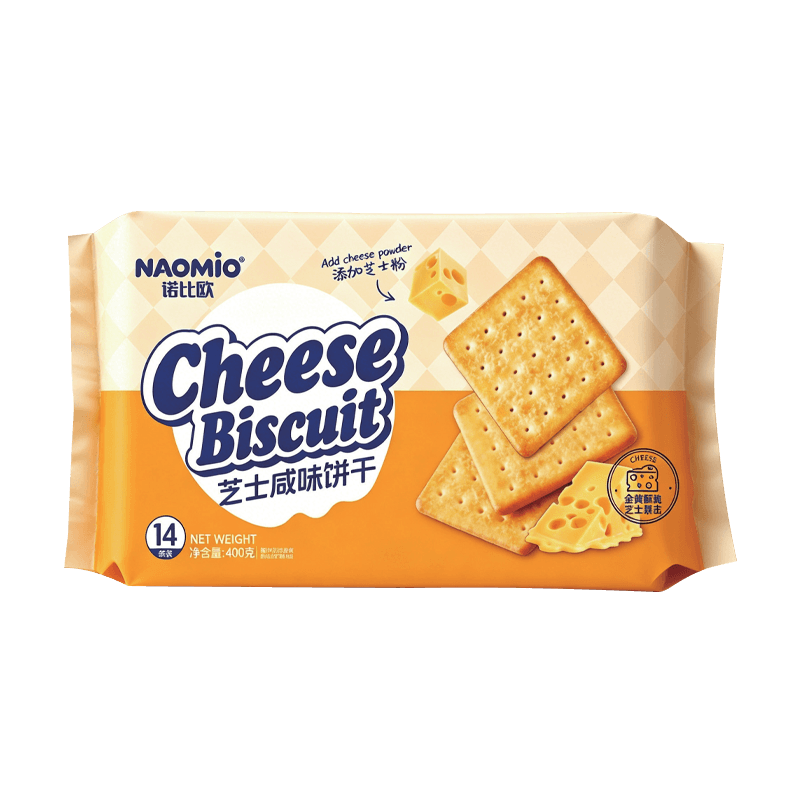
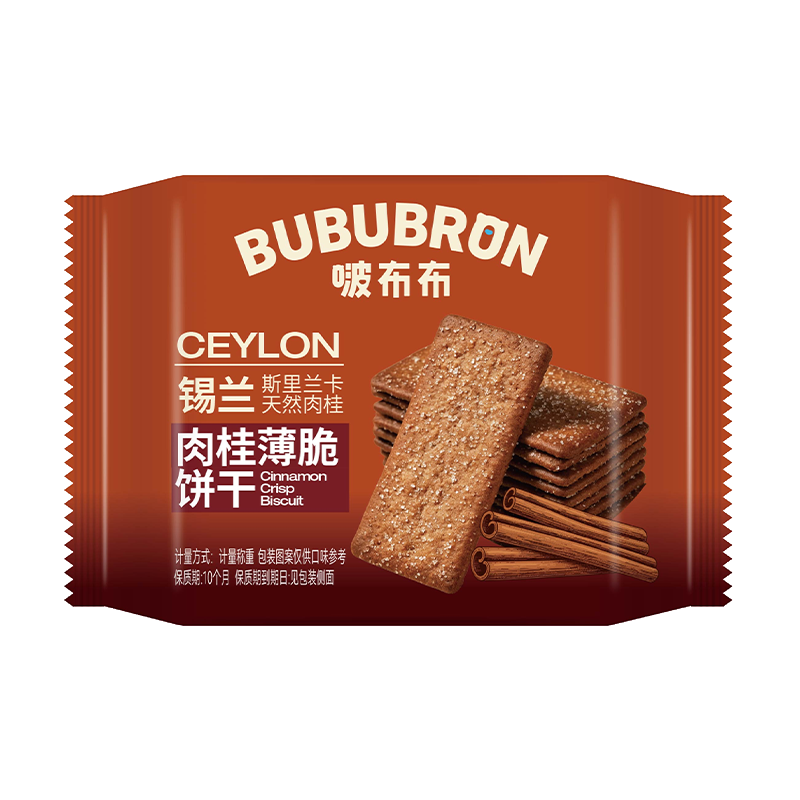
If you search for "milk biscuits", you will find two very different answers. Home bakers mean a quick bread made with milk instead of buttermilk. Foo...
READ MORE
 2026.04.29
 Industry News
A milk biscuit is a baked good made with milk — or milk-derived ingredients such as condensed milk, powdered milk, or buttermilk — as a primary liquid component in the dough or batter. The inclusion of milk does two things simultaneously: it supplies fat, protein, and natural sugars that enrich flavor and promote browning, and it introduces moisture that interacts with gluten and starch to produce a softer, more tender crumb than water-based biscuits. The result is a product that is notably soft, slightly sweet, and often chewy — characteristics that distinguish milk biscuits from dry, crispy cracker-style alternatives.
The term "milk biscuit" spans a wide range of products depending on geography. In the United States, biscuits are fluffy, bread-like quick breads made with buttermilk and leavened with baking powder. In the United Kingdom and much of Asia, a "biscuit" refers to what Americans call a cookie — and milk biscuits in this sense are thin, sweet, lightly crunchy snacks with a milky, mellow flavor. Both interpretations share the foundational role of dairy in creating texture and taste.
Understanding the science behind chewy biscuits reveals why milk is such an effective ingredient. Each component of milk contributes something specific to texture and structure.
Milk contains approximately 4.8 grams of lactose per 100 ml. Lactose is a disaccharide that does not ferment readily and caramelizes at a lower temperature than sucrose, contributing to golden-brown surface color and a subtly sweet, milky flavor without excessive sweetness. In chewy biscuits, residual sugars also attract and hold moisture after baking — a key factor in maintaining soft texture over time.
Milk proteins — primarily casein and whey — interact with wheat gluten during mixing. Whey proteins in particular strengthen the protein network, contributing to a slightly denser, chewier crumb compared to biscuits made with water alone. Casein micelles also help emulsify fats, creating a smoother, more uniform dough that bakes evenly.
Whole milk contributes roughly 3.5% fat, while condensed milk and evaporated milk add considerably more. Fat shortens gluten strands by coating them with a water-repellent layer, limiting gluten network development and producing tenderness. The balance between fat-induced tenderness and protein-induced chewiness is what defines the characteristic texture of a well-made milk biscuit — soft enough to yield easily but with enough structure to hold its shape and provide a satisfying bite.
The hygroscopic nature of both lactose and milk solids means milk biscuits retain moisture better than those made with water. This is particularly evident with condensed milk biscuits, where the high sugar and protein content keeps the interior moist and slightly sticky — resulting in a chewiness that persists for 3–5 days when stored in an airtight container, compared to 1–2 days for plain biscuits.
The texture of milk biscuits — whether soft and cakey or chewy and dense — is controlled by the specific combination of ingredients used. The following are the most influential variables:
| Ingredient | Role in Texture | Effect on Chewiness |
|---|---|---|
| Whole Milk | Hydration, fat, protein, lactose | Moderate chew, soft crumb |
| Condensed Milk | High sugar + protein concentration | High chew, sticky, moist interior |
| Powdered Milk (Milk Powder) | Concentrated milk solids, flavor | Increased browning, tender-chewy |
| Buttermilk | Acid reacts with leavening agents | Light, fluffy, tender (less chewy) |
| Bread Flour (high protein) | Strong gluten network development | Maximum chew |
| Cake Flour (low protein) | Weak gluten, starch-dominant | Tender, crumbly, minimal chew |
| Egg Yolk | Fat emulsification, richness | Soft, rich, slightly chewy |
| Egg White | Protein coagulation, structure | Firmer texture, more chew |
For maximum chewiness, professional bakers typically combine condensed milk with bread flour and a whole egg — achieving the triple effect of sugar-driven moisture retention, strong gluten structure, and protein coagulation during baking.
Milk biscuits take markedly different forms depending on regional baking traditions, local dairy availability, and culinary expectations. The following varieties represent the most widely recognized and commercially significant types.
The American buttermilk biscuit is a quick bread leavened with baking powder and/or baking soda, mixed with cold butter cut into flour to create a flaky, layered structure. Buttermilk provides acidity that reacts with baking soda (releasing CO₂) and tenderizes gluten, producing a light, tall, soft biscuit with a golden crust. Classic Southern-style buttermilk biscuits measure approximately 2½ inches in diameter and 1½ inches tall after baking and are served warm with butter, honey, or gravy. The key technique is minimal mixing — overworking develops gluten and destroys the desired flaky softness.
Across East and Southeast Asia — particularly in Hong Kong, Taiwan, the Philippines, and Malaysia — condensed milk biscuits are a beloved snack and bakery staple. These are thin-to-medium thickness cookies with a crisp outer edge and a distinctly chewy, slightly sticky center. Sweetened condensed milk (typically at 30–40% of the total dough weight) contributes a rich, caramelized dairy flavor and the characteristic chewiness. They are often baked at a lower temperature (around 160–170°C) for a longer period to develop color without hardening the interior.
Marie biscuits, originally developed in the UK in the 1870s to celebrate the marriage of Grand Duchess Maria Alexandrovna, are thin, round, lightly sweetened biscuits made with milk powder, flour, sugar, and a small amount of fat. They are crisp rather than chewy, with a mild milky flavor and a delicate texture that softens quickly when dunked in tea or coffee. Marie biscuits remain one of the best-selling biscuit varieties globally, with particularly strong markets in India, Spain, Portugal, and Latin America.
In the Philippines, rosquillos are ring-shaped milk biscuits from Cebu, made with evaporated milk, eggs, flour, and sugar. They are characteristically dry and crisp on the outside with a soft interior and a pronounced egg-and-milk richness. The Liloan rosquillo — a protected geographical indication product — has been produced since the early 20th century and is one of the most iconic Philippine baked goods.
South African rusks (beskuit) are twice-baked milk biscuits — first baked as a loaf, then sliced and slowly dried in a low oven (50–70°C) for 8–12 hours until completely hard and dry. Buttermilk is the classic liquid ingredient. The drying process creates a rock-hard biscuit intended to be dunked in coffee or tea until soft before eating. Rusks store at room temperature for up to 6 months, making them a practical, shelf-stable food with deep cultural roots in Afrikaner tradition.
Achieving genuinely chewy milk biscuits at home requires understanding which variables to control at each stage of the process. The following techniques are derived from both professional bakery practice and food science principles.
For chewy biscuits, condensed milk or evaporated milk consistently outperforms fresh whole milk. Condensed milk contributes concentrated sugars and proteins that bind moisture after baking. Adding 2–3 tablespoons of full-fat milk powder to any milk biscuit recipe further intensifies dairy flavor and promotes chewiness. Avoid skim or non-fat milk — the absence of fat yields a drier, more crumbly texture.
Use all-purpose flour (10–12% protein) as your baseline for a balanced soft-chewy result. Substituting 25–30% of the all-purpose flour with bread flour increases gluten development and adds meaningful chew without making the biscuit tough. Avoid over-measuring flour — pack the measuring cup and the dough will be too stiff, producing hard rather than chewy biscuits. Weight measurements are always more reliable: aim for 120–125 grams per cup.
For chewy milk biscuits, unlike American flaky biscuits, moderate mixing is actually beneficial. Mix the dough until it just comes together and is smooth — approximately 2–3 minutes by hand or 1–1.5 minutes with a stand mixer on low. This develops enough gluten for chew without over-tightening the dough. Under-mixed dough produces irregular, crumbly biscuits; over-mixed dough becomes tough and rubbery.
Resting the mixed dough in the refrigerator for 30 minutes to 2 hours (or up to 24 hours) allows gluten to relax and fat to firm up. Cold dough spreads more slowly in the oven, which means the biscuit sets with a thicker center — the structural basis of chewiness. Dough baked immediately from room temperature spreads faster, yielding a thinner, crispier biscuit.
For chewy milk biscuits, bake at 160–175°C (320–347°F) — lower than the typical 190°C used for crispy cookies. A lower temperature allows the interior to remain soft while the exterior develops a light golden color. Pull the biscuits from the oven when the edges are set and lightly golden but the center still looks slightly underdone and matte — they will firm up significantly as they cool on the pan. Overbaking is the single most common cause of tough, hard biscuits.
The following proportions produce approximately 24 chewy milk biscuits (each roughly 5 cm diameter) with a soft, milky center and lightly crisp edge — suitable for home baking with standard equipment.
Not all biscuits are created equal. Understanding how milk biscuits differ from other common biscuit types helps in choosing the right product or recipe for a given purpose.
| Biscuit Type | Primary Liquid | Texture | Sweetness Level | Shelf Life |
|---|---|---|---|---|
| Milk Biscuit (condensed milk) | Condensed milk | Soft, chewy | Medium-high | 3–5 days |
| American Buttermilk Biscuit | Buttermilk | Flaky, fluffy | Low (savory) | 1–2 days |
| Shortbread | None (butter only) | Crumbly, sandy | Low-medium | 2–3 weeks |
| Marie / Digestive Biscuit | Milk powder + water | Crisp, light | Low | 3–6 months (packaged) |
| Graham Cracker | Water or honey | Crunchy, dry | Medium | 2–4 weeks |
Even with the right recipe, avoidable technique errors are responsible for the majority of disappointing results. These are the most frequent problems and how to correct them:
Milk biscuits are an energy-dense snack food. Their nutritional composition varies significantly by type — a thin, commercially produced Marie biscuit is quite different from a thick, homemade condensed milk cookie. The following figures are approximate values for a standard homemade condensed milk biscuit (approximately 15g per piece):
Milk biscuits do provide a higher calcium and protein content than equivalent-weight biscuits made without dairy, which is one reason they are frequently marketed as a children's snack in Asian and European markets. However, they remain a treat food rather than a nutritional staple, and portion awareness is appropriate given their sugar and fat density.
Content
If you search for "milk biscuits", you will find two very different answers. Home bakers mean a quick bread made with milk instead of buttermilk. Foo...
READ MOREWhat Milk Biscuits Are — The Direct Answer Milk biscuits are baked goods made with milk or milk-derived ingredients — most commonly whole milk, skimm...
READ MOREWhat Are Yeast Biscuits and How Do They Differ from Conventional Crackers? Yeast biscuits are a category of baked cracker or biscuit in which live yea...
READ MORENutritional biscuits are baked products specifically formulated or fortified to deliver meaningful amounts of protein, fiber, vitamins, or minerals —...
READ MORE





No. 232 Xinxin Road, Xinxin Industrial Village, Langxia Street, Yuyao City, Zhejiang Province
+(86) 187-6812-9528
