
 English
 中文简体
中文简体 Español
 عربى
عربى
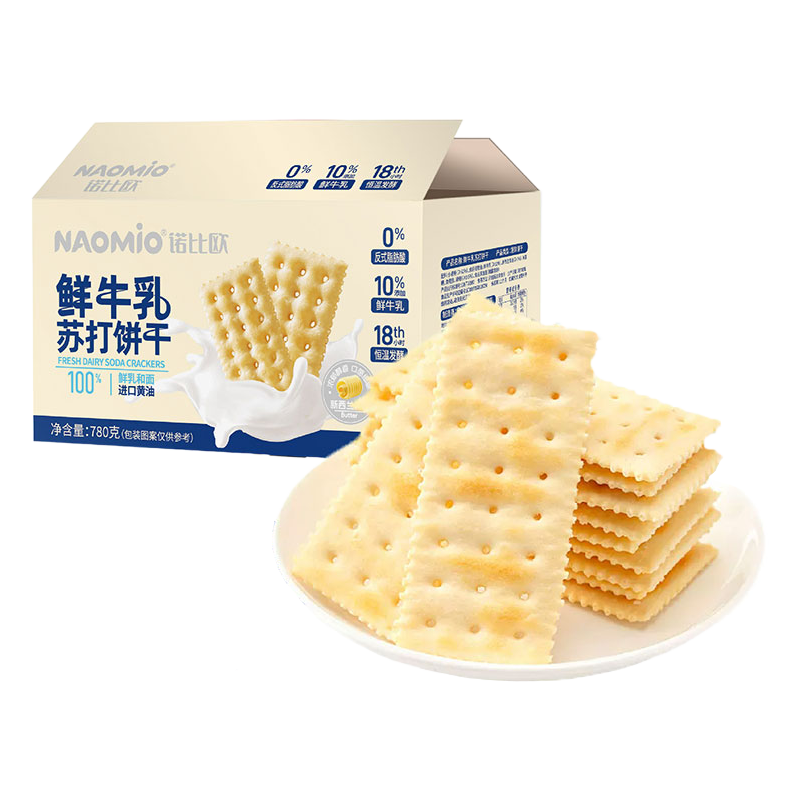
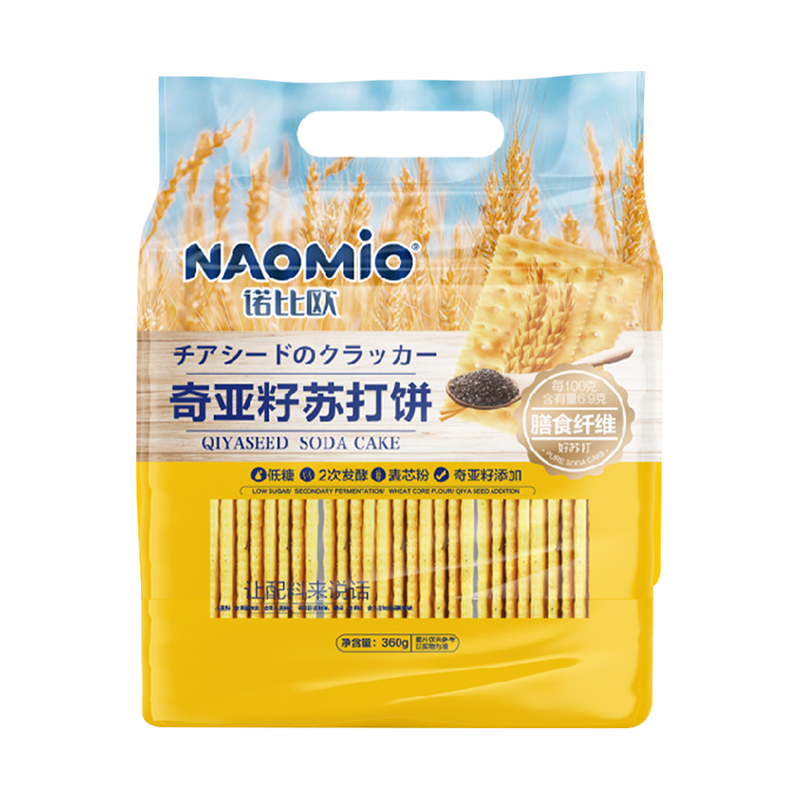
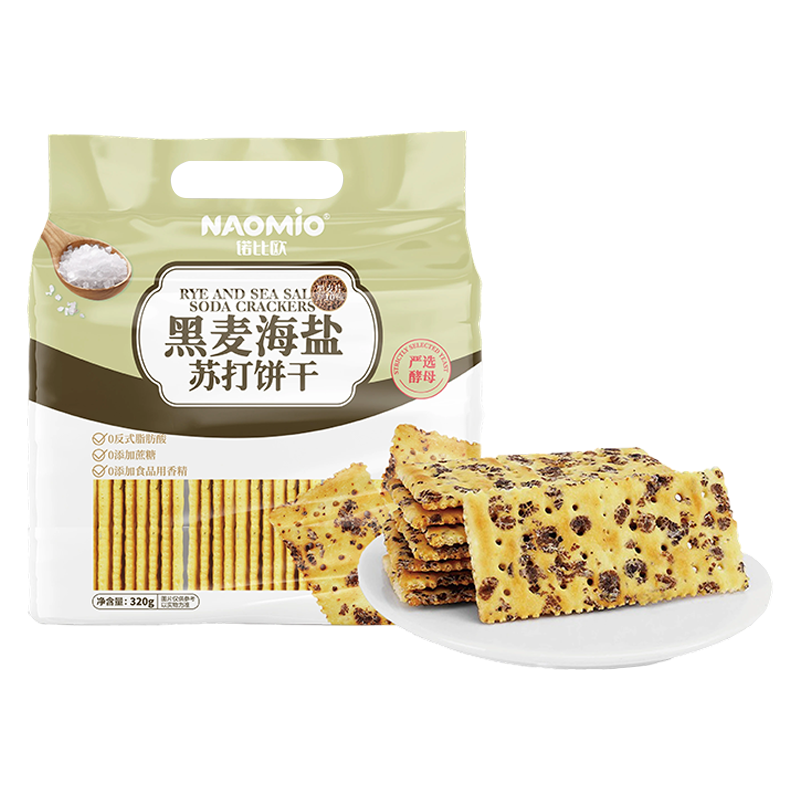
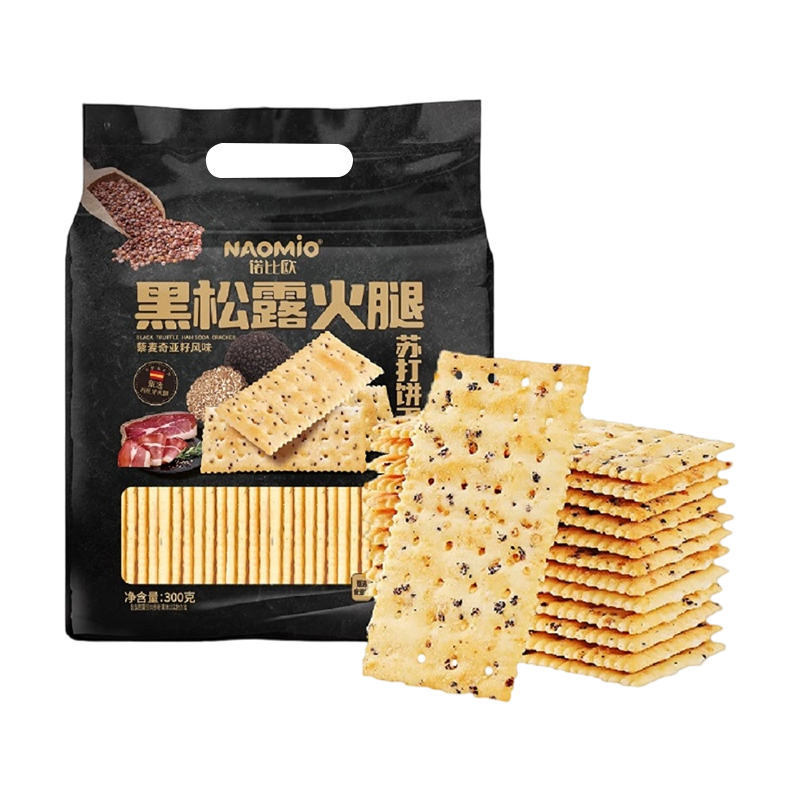
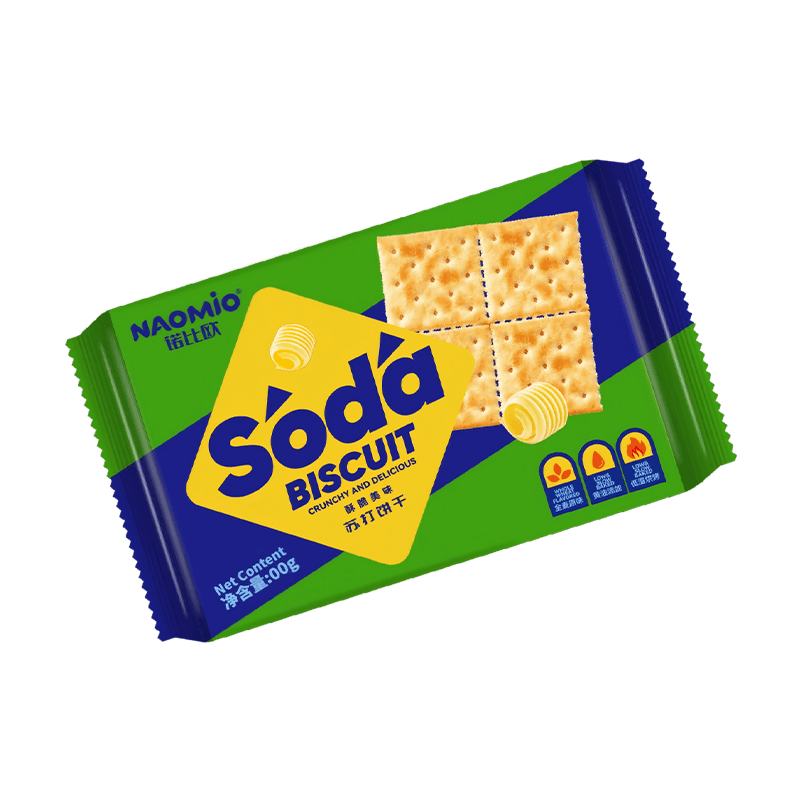
Turn over a standard sleeve of soda crackers and you will often find added sugar in the ingredient list, even though the crackers taste savory. Baker...
READ MORE
 2026.03.19
 Industry News
Yeast biscuits are a category of baked cracker or biscuit in which live yeast is incorporated into the dough and allowed to ferment for a defined period before baking, producing a leavening and flavoring effect that is fundamentally different from the action of chemical leavening agents such as baking soda (sodium bicarbonate) and baking powder. The term biscuit in this context follows the British and Commonwealth usage, where it refers to a flat, firm, dry baked product rather than the American usage in which biscuit refers to a soft, chemically leavened bread like product. In Asian markets, and particularly in Chinese food manufacturing where this product type is well established, yeast biscuits are known as souda binggan with yeast and occupy a defined category distinct from both standard soda crackers and yeast free savoury biscuits.
In yeast biscuit production, baker's yeast is mixed with flour, water, and a small quantity of fat to form a sponge dough that is fermented at controlled temperature for 2 to 16 hours depending on the desired flavor intensity and production schedule. During this fermentation period, the yeast metabolizes fermentable sugars (primarily maltose and glucose derived from the flour's starch) through alcoholic fermentation, producing carbon dioxide gas and ethanol as primary metabolites. The carbon dioxide is trapped within the gluten network of the dough, causing it to expand and develop a porous internal structure. The ethanol largely evaporates during subsequent baking, contributing to the characteristic yeasty, slightly bready aroma of the baked product.
Alongside the primary alcoholic fermentation products, yeast fermentation produces a range of secondary metabolites including organic acids (primarily acetic acid and lactic acid from contaminating homofermentative bacteria that colonize the yeast dough during extended fermentation), esters, and higher alcohols that collectively constitute the complex flavor of fermented dough products. Research published in food science journals has quantified that yeast fermented cracker doughs develop 40 to 60 distinct volatile flavor compounds during a 12 hour fermentation period, compared to fewer than 20 volatile compounds in unfermented chemically leavened dough, directly explaining the greater flavor complexity perceived by consumers tasting yeast versus chemical leavened crackers in blind sensory evaluations.
One of the most significant and often overlooked nutritional advantages of yeast fermented baked goods compared to chemically leavened alternatives is the reduction of phytic acid (phytate) in the final product. Phytic acid is a naturally occurring compound in whole grains and particularly concentrated in the bran layer of wheat, where it serves as the primary phosphate storage compound for the developing grain. In human digestion, phytic acid binds to divalent minerals including iron, zinc, calcium, and magnesium, forming insoluble phytate mineral complexes that cannot be absorbed in the small intestine, effectively reducing the bioavailability of these minerals from grain based foods.
Yeast fermentation activates the grain's endogenous phytase enzyme (which is also produced by the yeast itself) and allows it to operate during the fermentation period, breaking down phytate to release the bound minerals and reduce the total phytic acid content of the dough by 30 to 65 percent depending on fermentation time, temperature, and dough pH, compared to unfermented chemically leavened dough of equivalent flour composition. This phytic acid reduction means that the minerals naturally present in the flour of a yeast biscuit are more bioavailable to the human body than the same minerals in a conventional soda cracker, making yeast biscuits genuinely more nutritious per gram of flour consumed despite the two products appearing nutritionally similar on a standard food label that does not report phytate content or mineral bioavailability.
The organic acids produced during yeast fermentation, particularly acetic acid and lactic acid, have been shown in clinical studies to influence the glycemic response to starchy foods by several mechanisms. Acid in the food matrix slows the rate of gastric emptying, reducing the rate at which carbohydrate enters the small intestine for digestion. The low pH created by organic acid production also partially inhibits salivary and pancreatic amylase activity, slowing the enzymatic breakdown of starch to maltose and glucose in the mouth and small intestine. A study published in the European Journal of Clinical Nutrition compared the glycemic index (GI) of yeast fermented crispbreads with chemically leavened crispbreads of identical flour composition and found a GI reduction of 15 to 20 percent in the fermented products, confirming that the fermentation derived acids are a meaningful moderator of postprandial glucose response independent of fiber or other macronutrient differences between products.
Soda crackers, also known as saltines in North America, are a traditional form of thin, crisp, leavened cracker made from flour, water, fat, salt, and a leavening agent (most commonly a combination of yeast and baking soda, or baking soda alone in chemically leavened versions). Conventional soda crackers often contain small quantities of added sugar in their formulation, typically 1 to 4 grams per serving, used to promote browning of the crust during baking (Maillard reaction), to balance the salt flavor, and to provide substrate for yeast activity in fermented versions. Sugar free soda crackers reformulate the conventional product to eliminate all added sugar contributing ingredients, maintaining the cracker's characteristic texture and mild flavor through alternative means.
The most clinically significant benefit of choosing sugar free soda crackers over conventional versions is the reduction in dietary added sugar, which contributes to blood glucose management for people with type 2 diabetes, prediabetes, and insulin resistance. The American Diabetes Association's nutrition standards recommend limiting added sugar intake as part of a diabetes dietary management plan, with specific guidance that the overall dietary pattern rather than any single food should be the focus of management. However, choosing lower sugar versions of frequently consumed foods, such as crackers eaten daily as a snack or meal component, contributes meaningfully to the total dietary added sugar reduction when applied consistently across multiple food choices.
A person consuming 30 grams of crackers (approximately 6 standard crackers) per day who switches from a conventional cracker containing 3 grams of sugar per 30 gram serving to a sugar free version saves approximately 1,095 grams of added sugar per year from this single food substitution, equivalent to approximately 4,380 kilocalories from sugar over the same period. When multiplied across multiple sugar reduced food substitutions in a consistent dietary pattern, these individual reductions accumulate to a meaningful reduction in total annual added sugar exposure and the associated metabolic burden.
Added sugars in foods are directly associated with dental caries risk through their fermentation by cariogenic bacteria (primarily Streptococcus mutans) in dental plaque, producing organic acids that demineralize tooth enamel. The World Health Organization's guidelines on sugars and dental health recommend that free sugars (including added sugars) comprise less than 10 percent of total energy intake to reduce dental caries risk throughout the life course, with further benefit below 5 percent of total energy intake. Choosing sugar free soda crackers as a snack food reduces the frequency of sugar exposure to the oral environment compared to conventional crackers, particularly relevant for frequent snackers and children who consume crackers as a significant proportion of daily snack intake.
It is important to note, however, that starch from any cracker, regardless of added sugar content, can also contribute to dental caries through a different mechanism: salivary amylase breaks down starch to maltose and glucose in the mouth, and these sugars then become available to cariogenic bacteria. For comprehensive dental health management through diet, the frequency of cracker consumption, adequate saliva flow, and regular toothbrushing after meals matter as much as the added sugar content of the cracker selected. Sugar free soda crackers reduce but do not eliminate the dental caries risk from cracker consumption.
Sugar contributes 4 kilocalories per gram of energy to the diet. The typical added sugar content of a standard soda cracker serving (30 grams) is 1 to 4 grams, meaning the caloric contribution of the added sugar in a serving is 4 to 16 kilocalories. Removing this sugar entirely in a sugar free version therefore reduces the caloric density of the product by 4 to 16 kilocalories per serving, which represents approximately 3 to 8 percent of the total caloric content of the cracker serving which is predominantly from carbohydrate and fat in the flour and shortening. While 4 to 16 kilocalories per serving is a modest direct caloric saving from any single serving, the cumulative significance for daily and annual caloric management is meaningful when multiplied across daily consumption frequency and combined with other consistent food substitutions in a weight management dietary pattern.
The terms sugar free and low sugar are regulated health claims in most jurisdictions, with specific compositional thresholds that a product must meet to carry each claim on its label. Understanding the legal definitions and the practical compositional differences between low sugar and sugar free soda crackers is essential for making correctly informed purchases, particularly for consumers whose dietary needs require genuine sugar elimination rather than merely sugar reduction.
The specific regulatory thresholds for sugar free and low sugar claims vary between regulatory jurisdictions:
The practical difference between sugar free and low sugar soda cracker formulations extends beyond simply removing more or less added sugar from the recipe. The removal of sugar affects the cracker's Maillard browning reaction (which requires reducing sugars and amino acids reacting at baking temperatures), its texture development, and in yeast leavened versions, the substrate available for yeast metabolism during fermentation. Manufacturers address these functional consequences through different approaches in sugar free versus low sugar products:
The glycemic index of a soda cracker is determined primarily by the starch content and the rate at which that starch is digested in the small intestine, not primarily by the added sugar content. Standard white flour soda crackers have glycemic index values typically in the range of 70 to 80 (on the glucose reference scale of 100), placing them in the high GI category regardless of whether they contain added sugar. The removal of 1 to 4 grams of added sugar per 30 gram serving reduces the glycemic load of that serving by approximately 1 to 2 units (calculated as GI times available carbohydrate in grams divided by 100), which is a modest reduction that does not move a high GI cracker into the medium or low GI category. The practical implication is that choosing a sugar free or low sugar soda cracker made from refined white flour does not meaningfully alter the blood glucose response compared to the conventional version; the more significant dietary choice for blood glucose management is the flour type (whole grain versus refined) and the portion size of crackers consumed, rather than the sugar free or low sugar status of the specific product.
The choice to select a low sugar rather than a sugar free soda cracker, or to choose either reduced sugar option over a conventional cracker, depends substantially on the individual consumer's dietary objectives, health context, and taste preferences. Different consumer groups have different reasons for choosing reduced sugar crackers, and the relevance and magnitude of the benefits varies significantly across these groups.
For people with type 2 diabetes or prediabetes, the selection of sugar free or low sugar versions of snack foods is a meaningful component of total dietary added sugar management. The American Diabetes Association's standards of medical care in diabetes recommend that people with diabetes consume less than 10 percent of total daily calories from added sugar, and in practice this often means making consistent lower sugar substitutions across multiple food choices throughout the day. Choosing sugar free or low sugar soda crackers contributes to this dietary management goal while allowing crackers to remain a practical and palatable snack option, avoiding the all or nothing restriction approach that many people find unsustainable over the long term of managing a chronic condition.
However, people with diabetes and their healthcare providers should note that the starch in any soda cracker, sugar free or otherwise, is rapidly digested to glucose and will raise blood sugar. The practical recommendation for people with diabetes who include crackers in their eating plan is to consume them as part of a mixed snack that includes protein and fiber (such as vegetable toppings), which moderates the glycemic response more effectively than the sugar reduction alone. The choice of a yeast fermented sugar free soda cracker adds the modest benefit of fermentation derived organic acids that further moderate glycemic response, as described in the yeast fermentation section above.
A growing proportion of consumers in developed markets is actively reducing total added sugar intake as part of a general health improvement dietary pattern, motivated by public health messaging about the associations between high added sugar intake and obesity, cardiovascular disease risk, non alcoholic fatty liver disease, and metabolic syndrome. For these consumers, choosing low sugar soda crackers is a consistent implementation of their dietary approach across the snack category, and the rationale is primarily one of dietary pattern rather than acute health management. Population level dietary surveys consistently find that snack foods including crackers, biscuits, and similar products contribute 8 to 15 percent of daily added sugar intake in adults in developed markets, making cracker selection a non trivial component of total added sugar management in an overall dietary pattern reduction strategy.
Parents selecting snack foods for children are an important consumer segment for reduced sugar crackers, driven by awareness of children's heightened sensitivity to dental caries from repeated sugar exposure and the potential for high added sugar snack habits established in childhood to persist into adulthood. The World Health Organization's recommendation that children's added sugar intake be maintained below 10 percent of total daily energy intake is widely cited in public health nutrition communications directed at parents, and cracker and biscuit selection is an accessible and practical implementation of this guidance.
For children's crackers, texture and taste palatability are as important as nutritional composition for practical adoption. Low sugar soda crackers that retain sufficient sugar for browning color and mild sweetness are more readily accepted by children than fully sugar free versions, which may taste notably blander than the conventional products that children are familiar with. The practical recommendation for parents is to begin with low sugar versions rather than immediately transitioning to sugar free, to allow the child's palate to adapt gradually to less sweet snack flavors before potentially introducing sugar free versions if the dietary rationale requires it.
Elderly consumers may have concurrent dietary management requirements that make sugar free or low sugar crackers appropriate as a regular snack choice. Conditions commonly managed in elderly populations that benefit from reduced added sugar intake include type 2 diabetes, hypertension with metabolic syndrome, dyslipidemia, and dental health challenges from reduced salivary flow (xerostomia) that increases caries risk. Yeast biscuits in sugar free or low sugar format are additionally relevant for elderly consumers because the improved mineral bioavailability from phytic acid reduction during fermentation is particularly important for populations at risk of iron deficiency, calcium inadequacy, and zinc insufficiency, which are common nutritional concerns in the elderly.
| Nutritional or Product Factor | Conventional Soda Cracker | Low Sugar Soda Cracker | Sugar Free Soda Cracker | Yeast Biscuit (Sugar Free) |
|---|---|---|---|---|
| Typical added sugar per 100g | 5 to 10 g | Below 5 g | Below 0.5 g | Below 0.5 g |
| Leavening method | Chemical (baking soda) or mixed | Chemical or mixed | Chemical or mixed | Yeast fermentation plus baking soda |
| Flavor complexity | Mild, one dimensional | Mild, slightly less sweet | Mild, neutral | Complex, slightly tangy, yeasty |
| Phytic acid content | Standard (no reduction) | Standard (no reduction) | Standard (no reduction) | 30 to 65 percent reduced by fermentation |
| Glycemic index (white flour base) | 70 to 80 | 68 to 78 | 68 to 78 | 55 to 65 (fermentation mediated reduction) |
| Suitable for diabetic eating plan | Marginal: high sugar and high GI | Better: reduced sugar contribution | Good: minimal sugar contribution | Best: minimal sugar plus lower GI |
| Dental caries risk from added sugar | Higher | Reduced | Minimized from added sugar | Minimized from added sugar |
| Relative cost | Lowest | Low to medium | Medium | Medium to high |
Understanding how to interpret the information on a cracker product label is the practical skill that allows consumers to make informed selections from among the wide range of yeast biscuits, soda crackers, and reduced sugar options available in the market. Manufacturers are not required to state explicitly which product type they have produced (yeast biscuit vs chemical leavened, for example), but the ingredient list and nutritional information panel contain all the information needed to classify and compare products.
The ingredient list of a soda cracker or yeast biscuit is listed in descending order of ingredient weight, with the most abundant ingredient listed first. Key information to identify in the ingredient list is:
The nutrition information panel on a cracker or biscuit product provides per 100 gram and per serving values for energy, protein, fat, carbohydrate, and sugar content. To verify a sugar free claim, check the sugars value per 100 grams and confirm it is below the applicable regulatory threshold (below 0.5 g/100g in the EU and China, below 0.5 g per serving in the US). To verify a low sugar claim, confirm the sugars value per 100 grams is below 5 grams for the EU and China markets. If a product carries a sugar free or low sugar claim on its front of pack labeling but the nutrition panel shows a sugars value above the applicable threshold, this is a labeling inconsistency that should be reported to the relevant food regulatory authority and that disqualifies the product for dietary use in applications requiring verified low or zero sugar content.
For consumers whose dietary requirements make the distinction between yeast biscuits, sugar free soda crackers, and low sugar soda crackers genuinely significant, building the habit of cross checking front of pack claims with the nutrition panel and ingredient list provides reliable independent verification of product composition that is not dependent on manufacturer labeling accuracy. The combination of a well designed yeast biscuit with sugar free formulation represents the intersection of the two main categories discussed in this article, offering the complex flavor and enhanced nutritional properties of fermented leavening alongside the sugar management benefits that are increasingly important across a wide range of consumer health contexts.
Understanding the nutritional properties of yeast biscuits, sugar free soda crackers, and low sugar soda crackers is the foundation of an informed purchasing decision, but translating that knowledge into practical daily use requires understanding how to combine these products with other foods to maximize both palatability and nutritional outcome. A cracker or biscuit eaten alone is a high glycemic index refined carbohydrate snack regardless of its sugar free or low sugar status; a cracker paired with protein and fat containing toppings becomes a nutritionally balanced snack with a moderated glycemic response and greater satiety value per serving.
The following topping combinations significantly reduce the net glycemic impact of a cracker based snack by adding protein, fat, and fiber that slow gastric emptying and moderate the rate of glucose absorption:
Portion size matters as much as product selection for managing the impact of cracker consumption on blood glucose, caloric intake, and dietary added sugar. Even sugar free soda crackers contain substantial carbohydrate from starch (typically 65 to 75 grams per 100 grams of product), and consuming crackers without portion awareness can result in significant blood glucose elevation even when the added sugar content is minimal. The recommended cracker serving for a standard snack is 20 to 30 grams (approximately 4 to 6 standard crackers), providing 13 to 23 grams of carbohydrate per snack. For people with diabetes, this carbohydrate portion should be counted as part of the meal's total carbohydrate allocation as defined in their individual eating plan.
For consumers building a consistent healthier snacking habit using yeast biscuits, sugar free soda crackers, or low sugar soda crackers as the foundation, combining appropriate portion sizes with protein and fiber containing toppings, choosing yeast fermented versions where available for their additional nutritional and glycemic benefits, and using the label reading skills described in the previous section to verify product composition, represents a practical and sustainable approach to reducing dietary added sugar while maintaining the enjoyment and convenience that make crackers one of the most persistently popular snack foods globally.
Beyond the sugar and leavening distinctions that have been the primary focus of this article, the quality of the other ingredients in yeast biscuits and soda crackers significantly affects both the nutritional profile and the eating quality of the finished product. The flour type, fat source, and salt content are particularly important parameters for consumers making comprehensive product comparisons.
Standard soda crackers and most commercial yeast biscuits are produced from refined white wheat flour, which has had the bran and germ layers removed during milling, significantly reducing fiber, B vitamins, vitamin E, and mineral content compared to whole grain flour. A growing range of yeast biscuits and low sugar soda crackers is produced using whole wheat flour, multigrain flour blends, or refined flour with added wheat bran, which improves the fiber and micronutrient content of the product at the cost of a slightly coarser texture and shorter shelf life due to the higher fat content of the germ fraction. Whole grain yeast biscuits in a sugar free formulation represent the nutritionally superior combination of the fermented leavening benefits described in this article with the additional fiber, B vitamin, and phytonutrient advantages of whole grain flour, making them the recommended choice for consumers seeking maximum nutritional value from their cracker selection.
Crackers require a fat component to achieve the crumbly, short texture that defines the eating quality of the product. Historically, partially hydrogenated vegetable oils were widely used in cracker manufacturing for their functional properties and long shelf life, but their trans fatty acid content has led to regulatory bans or significant restrictions in most major markets including the United States, European Union, and China. Modern crackers are produced with non hydrogenated vegetable oils (palm oil, sunflower oil, canola oil) or with butter or lard in artisan formats. Consumers concerned about cardiovascular health should verify that the fat listed in the ingredient panel of any cracker or yeast biscuit is a non hydrogenated vegetable oil, and should check that the product does not list partially hydrogenated oil or shortening, which indicates the presence of trans fats that are linked to elevated LDL cholesterol and increased cardiovascular disease risk.
The combined consideration of leavening method, sugar content, flour type, and fat source provides a complete framework for evaluating the full nutritional profile of any yeast biscuit or soda cracker product, going well beyond the single parameter sugar free or low sugar classification that is the starting point of most consumer evaluations. An informed consumer approaching this product category with the understanding developed throughout this article is positioned to make selections that genuinely serve their health and dietary objectives rather than responding to front of pack claims that may represent only one dimension of the product's overall nutritional character.
American Diabetes Association. Standards of Medical Care in Diabetes 2023. Diabetes Care. 2023;46(Supplement 1):S1 to S291.
Andersson R, Öste R. Nutritional value of cereals. In: Henry R J, Ronalds J A, eds. Improvement of Cereal Quality by Genetic Engineering. New York: Plenum Press; 1994:1 to 18.
Cauvain S P, Young L S. Baked Products: Science, Technology and Practice. Oxford: Blackwell Publishing; 2006.
Dewettinck K, Van Bockstaele F, Kühne B, Van de Walle D, Courtens T M, Gellynck X. Nutritional value of bread: influence of processing, food interaction and consumer perception. Journal of Cereal Science. 2008;48(2):243 to 257.
Ebrahimian J, Seif-Sahandi M. Impact of fermentation on mineral bioavailability of wheat-based products: a systematic review. Food Chemistry. 2019;278:1 to 9.
Leenhardt F, Levrat-Verny M A, Chanliaud E, Rémésy C. Moderate decrease of pH by sourdough fermentation is sufficient to reduce phytate content of whole wheat flour through endogenous phytase activity. Journal of Agricultural and Food Chemistry. 2005;53(1):98 to 102.
Moynihan P J, Kelly S A. Effect on caries of restricting sugars intake: systematic review to inform WHO guidelines. Journal of Dental Research. 2014;93(1):8 to 18.
Scazzina F, Del Rio D, Pellegrini N, Brighenti F. Sourdough bread: starch digestibility and postprandial glycemic response. Journal of Cereal Science. 2009;49(3):419 to 421.
Slavin J L. Dietary fiber and body weight. Nutrition. 2005;21(3):411 to 418.
World Health Organization. Guideline: Sugars Intake for Adults and Children. Geneva: World Health Organization; 2015.
Content
Turn over a standard sleeve of soda crackers and you will often find added sugar in the ingredient list, even though the crackers taste savory. Baker...
READ MOREWhat Are Sugar-Free Soda Crackers? Understanding the Definition of Sugar-Free Soda Crackers Sugar-free soda crackers are a type of crisp, dry biscuit ...
READ MOREsection { margin-bottom: 40px; } section h2 { font-size: 22px; font-weight: bold; text-align: left; margin-bottom: 15px; ...
READ MORELow-sugar soda crackers are one of the most practical snack choices for people managing blood sugar, following a reduced-carb diet, or simply cutting...
READ MORE





No. 232 Xinxin Road, Xinxin Industrial Village, Langxia Street, Yuyao City, Zhejiang Province
+(86) 187-6812-9528
