
 English
 中文简体
中文简体 Español
 عربى
عربى
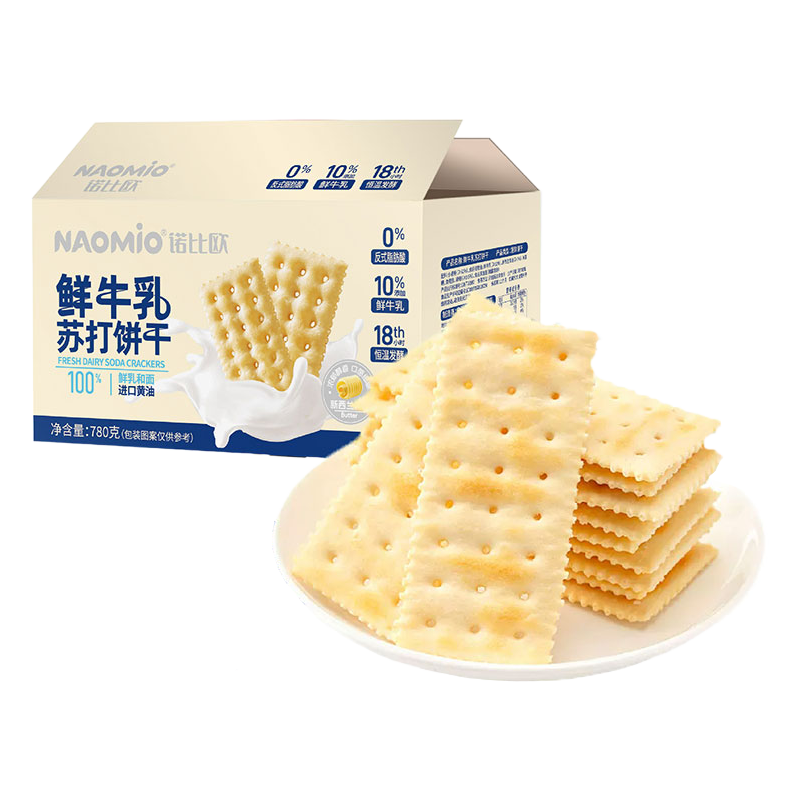
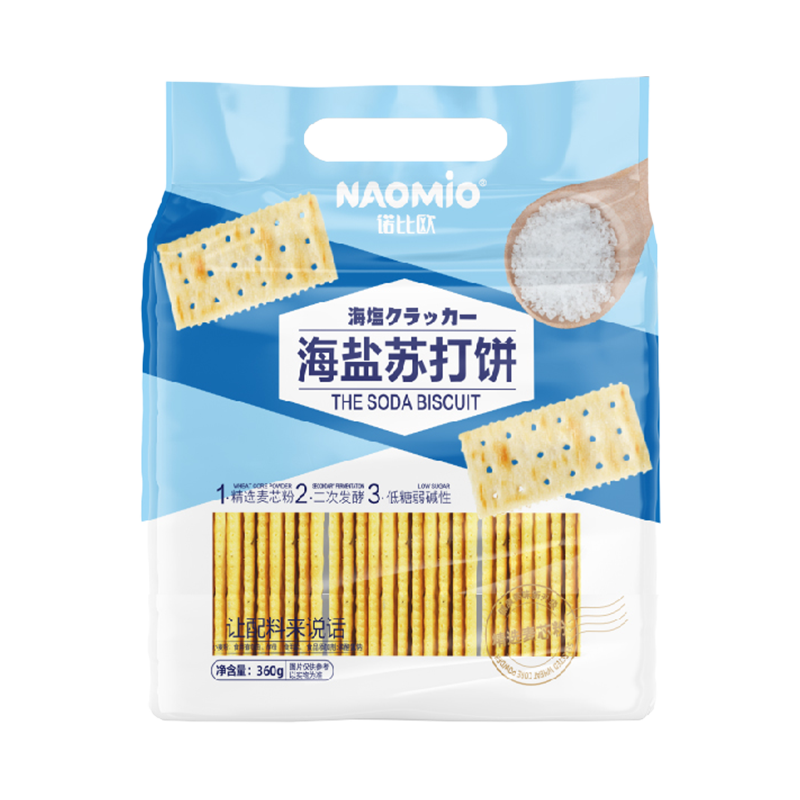
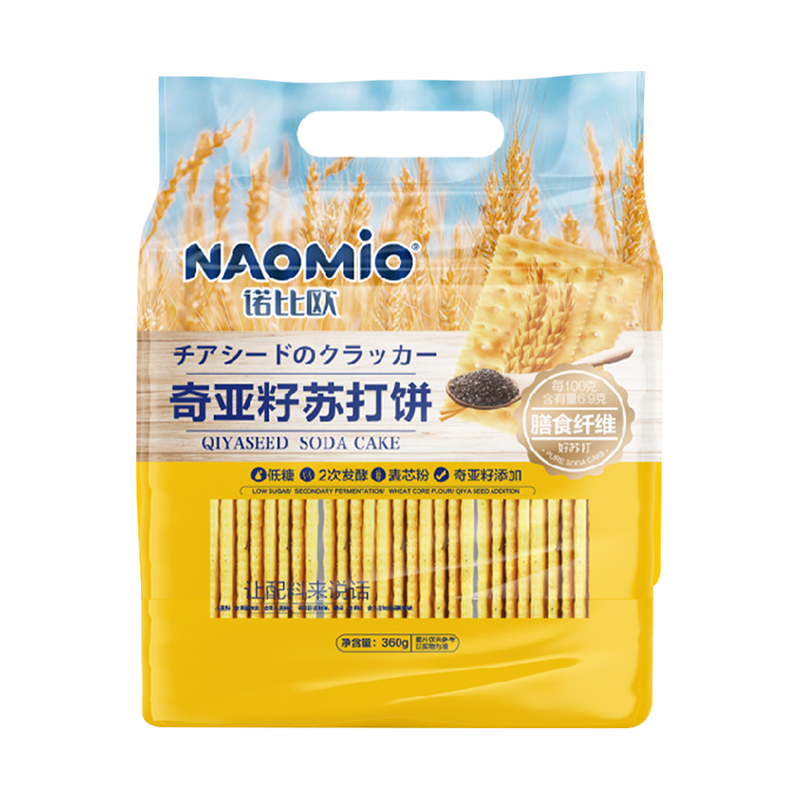
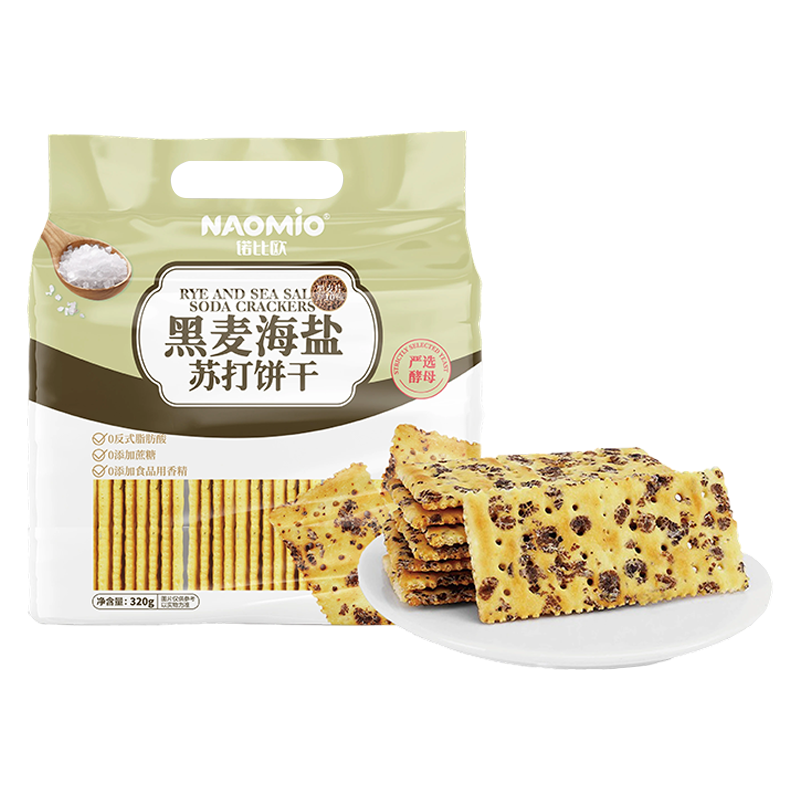
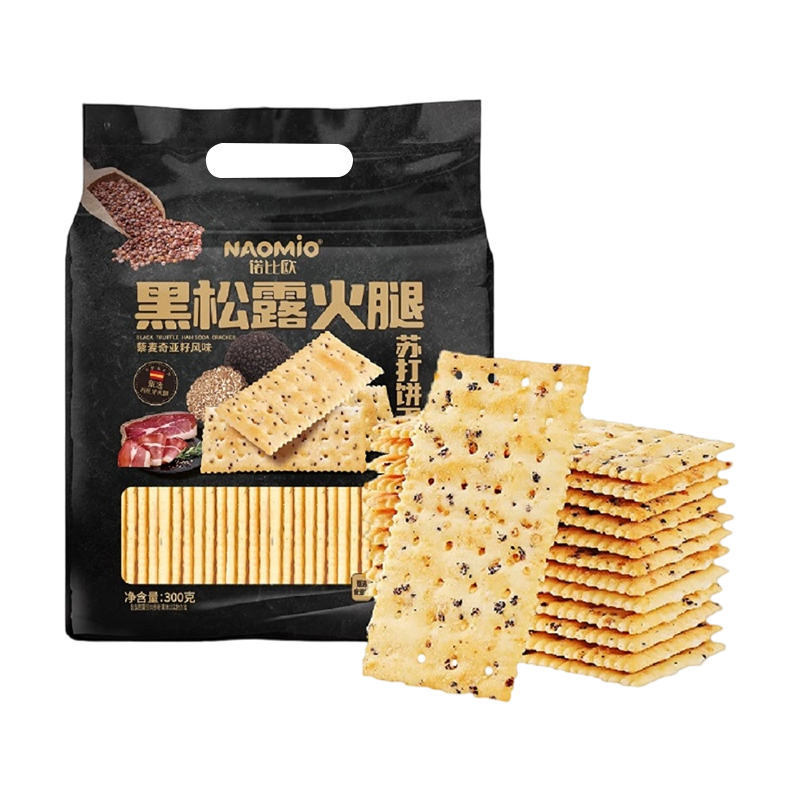
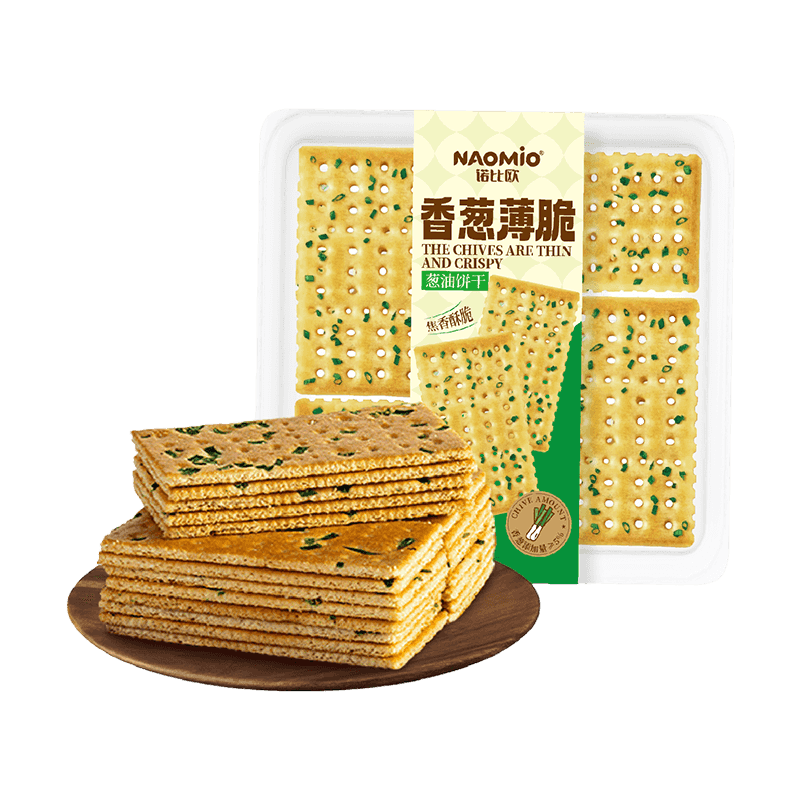
Your stomach is queasy, the soup is hot, and the clock says it is too early for dinner. You reach for a sleeve of soda crackers almost without thinki...
READ MORE
 2026.03.19
 Industry News
Low-Sugar Soda Crackers are a modern evolution of the classic soda cracker — a light, crispy, baked snack that has been reformulated to contain significantly less sugar than conventional varieties. While traditional soda crackers already tend to be relatively plain in flavor, many commercial versions contain added sugars, malt syrups, or sweetened coatings that contribute to daily sugar intake in ways consumers often overlook. Low-Sugar Soda Crackers address this concern directly and offer a healthier alternative without compromising on taste or texture.
Low-Sugar Soda Crackers are produced using reduced or zero added sugar formulations, relying instead on the natural mild flavor of wheat flour, leavening agents like baking soda, and carefully selected fats to deliver the satisfying crunch and subtle taste that cracker lovers expect. The result is a snack that fits comfortably into health-conscious lifestyles without sacrificing the familiar eating experience that generations of consumers have come to enjoy.
What sets Low-Sugar Soda Crackers apart from other reduced-sugar snacks is their remarkable versatility. Unlike sweet biscuits or flavored crackers that are designed to be eaten on their own, Low-Sugar Soda Crackers serve as a neutral base — equally at home topped with cheese, hummus, nut butter, or smoked salmon. This makes them a practical pantry staple rather than just a diet product, and one that fits naturally into everyday meals and snacking routines for the whole family.
Consumer demand for Low-Sugar Soda Crackers has grown steadily alongside broader awareness of the health risks associated with excess sugar consumption. According to nutrition researchers, the average adult consumes far more added sugar daily than recommended by major health organizations, and snack foods are among the most significant contributors to this problem. Low-Sugar Soda Crackers offer a simple, satisfying way to reduce that load without eliminating snacking altogether. As more people look for smarter, label-conscious food choices, Low-Sugar Soda Crackers have moved from a niche health food category into mainstream grocery aisles around the world.
The history of soda crackers dates back to the early 19th century, when bakers discovered that combining flour, leavening, and fat produced a remarkably shelf-stable, lightweight cracker suited to long sea voyages and military rations. Over time, the soda cracker became a household staple, valued for its simplicity and adaptability. The Low-Sugar Soda Crackers of today honor that heritage while updating the formula for modern nutritional standards, making them just as relevant and useful as their predecessors — but better aligned with contemporary health goals.
Understanding what goes into Low-Sugar Soda Crackers helps consumers make informed choices. The nutritional composition of Low-Sugar Soda Crackers varies by brand and recipe, but the following comparison illustrates the general difference between standard soda crackers and Low-Sugar Soda Crackers per serving of approximately 5 crackers or 15 grams.
| Nutrient | Regular Soda Crackers | Low-Sugar Soda Crackers |
|---|---|---|
| Calories | 70–80 kcal | 60–75 kcal |
| Total Carbohydrates | 12–14g | 10–12g |
| Added Sugar | 1.5–3g | 0–0.5g |
| Dietary Fiber | 0.3–0.5g | 0.5–1.5g |
| Total Fat | 1.5–2.5g | 1–2g |
| Sodium | 130–180mg | 100–160mg |
| Protein | 1–1.5g | 1–2g |
The most notable difference is in added sugar content, where Low-Sugar Soda Crackers can reduce intake by up to 80 to 100 percent compared to regular options. For individuals monitoring their glycemic load, this reduction is highly meaningful — especially when crackers are consumed multiple times throughout the day as part of a regular snacking routine. Over the course of a week, the cumulative difference in sugar intake between regular crackers and Low-Sugar Soda Crackers can be substantial.
Fiber content is another important factor worth examining in Low-Sugar Soda Crackers. Many Low-Sugar Soda Crackers incorporate whole grain flours or added fiber sources such as inulin or oat bran, improving digestive support and helping users feel satisfied for longer periods between meals. Higher fiber content also positively influences the glycemic index of the cracker, meaning blood sugar rises more gradually and steadily after consumption compared to low-fiber alternatives.
Sodium levels in Low-Sugar Soda Crackers are worth monitoring. While sodium is often reduced from conventional cracker formulations, it can still be relatively high in certain Low-Sugar Soda Crackers products. Consumers managing blood pressure or following a low-sodium diet should check labels carefully and opt for Low-Sugar Soda Crackers that also carry a reduced-sodium designation where possible. Looking for products with under 140mg of sodium per serving is a useful benchmark.
The fat profile of Low-Sugar Soda Crackers also deserves attention. Quality Low-Sugar Soda Crackers use non-hydrogenated vegetable oils, avoiding the trans fats that were once common in baked crackers. This makes the fat content of Low-Sugar Soda Crackers largely neutral or even mildly beneficial, particularly when the oils used are rich in unsaturated fatty acids. Overall, Low-Sugar Soda Crackers offer a leaner, cleaner nutritional profile that aligns well with general healthy eating guidelines, making them a sensible everyday snack for most adults and children alike.
The health advantages of switching to Low-Sugar Soda Crackers extend well beyond simply cutting back on sugar. Regular consumption of Low-Sugar Soda Crackers, as part of a balanced diet, contributes to several key areas of physical wellbeing and long-term health management.
Low-Sugar Soda Crackers are particularly beneficial for individuals managing blood sugar levels. Because they contain minimal added sugar and often include whole grain ingredients, they produce a more gradual and controlled rise in blood glucose compared to regular crackers or sweet snacks. This steady glycemic response helps prevent the energy spikes and crashes associated with high-sugar foods, which can lead to increased hunger, irritability, and poor concentration. For people with type 2 diabetes or insulin resistance, replacing conventional snacks with Low-Sugar Soda Crackers can be a practical and effective dietary adjustment. Many registered dietitians specifically recommend snacks with low added sugar content, and Low-Sugar Soda Crackers align naturally with those guidelines.
Snacking smartly is one of the most effective strategies for long-term weight control, and Low-Sugar Soda Crackers play a useful role in that approach. They provide a satisfying crunch with a lower caloric density than many alternative snacks such as flavored chips, sweet biscuits, or granola bars. Their neutral flavor also makes it easier to pair them with protein-rich toppings like cottage cheese or nut butter, which increases satiety and reduces the likelihood of overeating later in the day. Swapping sugary snacks for Low-Sugar Soda Crackers is a simple substitution that, when maintained consistently, can contribute to a meaningful caloric reduction over time without requiring significant changes to eating habits or food enjoyment.
Versions of Low-Sugar Soda Crackers made with whole grain or high-fiber flours actively support healthy digestion. Dietary fiber feeds beneficial gut bacteria, encourages regular bowel movements, and can help reduce uncomfortable bloating. Even standard Low-Sugar Soda Crackers that are not especially high in fiber tend to be easy on the stomach due to their simple ingredient list and absence of artificial additives. They are commonly recommended as a gentle snacking option for individuals experiencing mild digestive discomfort, making Low-Sugar Soda Crackers a practical choice for sensitive stomachs as well as healthy ones.
Excess sugar consumption is well-documented as a contributor to elevated triglyceride levels and increased cardiovascular risk. By choosing Low-Sugar Soda Crackers over sweeter snack alternatives, individuals can meaningfully reduce their daily added sugar intake — a step that supports healthier blood lipid profiles over time. When Low-Sugar Soda Crackers are paired with heart-healthy toppings such as avocado, olive tapenade, or omega-3-rich smoked fish, they become a genuinely cardio-supportive snack option that fits into heart-healthy dietary patterns such as the Mediterranean diet.
Frequent sugar consumption is one of the leading causes of tooth decay and enamel erosion. Because Low-Sugar Soda Crackers contain little to no added sugar, they are significantly less damaging to dental health than sweet crackers, cookies, or candy-based snacks. While no cracker is entirely neutral for oral health — starch can still interact with oral bacteria — Low-Sugar Soda Crackers represent a substantially better choice for individuals concerned about maintaining strong, healthy teeth over time.
The production of Low-Sugar Soda Crackers follows a similar process to traditional cracker manufacturing, with targeted modifications in the ingredient list to reduce or eliminate added sugars while maintaining the flavor, texture, and appearance that consumers expect from a quality cracker product.
The base of most Low-Sugar Soda Crackers includes enriched or whole wheat flour, water, vegetable oil or shortening, baking soda, and salt. Some formulations add a small amount of yeast, which introduces a slightly fermented, complex flavor profile that naturally compensates for the absence of sweetness. These carefully balanced ingredients work together to create a pliable dough that bakes into the characteristic light, layered, and crisp texture that defines a true soda cracker. The quality of each individual ingredient plays an important role in the final outcome, which is why premium Low-Sugar Soda Crackers typically source non-GMO flours and expeller-pressed oils.
In conventional crackers, maltose or malt syrup is often used to encourage surface browning and to add a subtle background sweetness. In Low-Sugar Soda Crackers, these ingredients are reduced or replaced with carefully chosen alternatives that add little to no sugar impact.
| Sweetener Alternative | Type | Sugar Impact |
|---|---|---|
| Stevia extract | Natural, zero-calorie | No blood sugar impact |
| Monk fruit extract | Natural, zero-calorie | No blood sugar impact |
| Erythritol | Sugar alcohol | Minimal blood sugar impact |
| Inulin (chicory root) | Prebiotic fiber | Beneficial for gut health |
| No added sweetener | None | Zero added sugar |
The choice of sweetener — or the decision to use none at all — affects both the flavor complexity and the surface texture of the final Low-Sugar Soda Crackers product. Manufacturers invest significantly in recipe development and consumer taste testing to ensure that their Low-Sugar Soda Crackers remain fully palatable and competitive with full-sugar alternatives on store shelves.
The name "soda cracker" itself refers to the use of baking soda as a primary leavening agent. In Low-Sugar Soda Crackers, this fundamental process remains unchanged. The dough is mixed to the correct hydration level, then sheeted through rollers to achieve a consistent thin layer. It is then docked — perforated with small holes across the surface — to prevent excessive puffing during baking and to create the recognizable dimpled appearance of a classic soda cracker. The dough is then cut into individual shapes and baked at high temperatures for a short period, typically between 400 and 450 degrees Fahrenheit, to rapidly set the structure and develop a golden, crispy exterior. Some artisanal Low-Sugar Soda Crackers use a longer fermentation or sponge-and-dough proofing period, which deepens natural flavor complexity without relying on added sugar.
When shopping for Low-Sugar Soda Crackers, a careful review of the nutrition facts panel and ingredient list is essential for identifying genuinely low-sugar products. Key items to examine include the "Added Sugars" line on the nutrition label, which should ideally show 0 to 0.5 grams per serving for true Low-Sugar Soda Crackers. The ingredient list order also matters: sugar, corn syrup, malt syrup, or honey should not appear near the top of the list. Ideally, a whole grain flour should be listed as the first or second ingredient. Consumers should also check for the presence of hydrogenated or partially hydrogenated oils — a red flag regardless of the sugar content of the Low-Sugar Soda Crackers in question.
One of the greatest strengths of Low-Sugar Soda Crackers is their remarkable adaptability across different meals, occasions, and dietary preferences. Their mild, neutral flavor makes them an ideal vehicle for a wide range of toppings, spreads, and accompaniments — both savory and naturally sweet — without competing with or overpowering the chosen pairing.
| Topping | Nutritional Benefit |
|---|---|
| Hummus | Plant-based protein and healthy fat |
| Avocado slices | Monounsaturated fats, potassium |
| Cottage cheese | High protein, low fat |
| Smoked salmon | Omega-3 fatty acids |
| Sliced turkey breast | Lean protein, low fat |
| Unsweetened nut butter | Protein, healthy fat, fiber |
| Ricotta with fresh herbs | Calcium, protein, micronutrients |
| Hard-boiled egg slices | Complete protein, vitamin D |
These nutrient-dense pairings transform Low-Sugar Soda Crackers from a simple standalone snack into a nutritionally complete mini-meal capable of sustaining energy levels and satisfying hunger for several hours. The combination of the complex carbohydrates in Low-Sugar Soda Crackers with the protein and fat in these toppings creates a balanced macronutrient profile that supports stable blood sugar and prolonged satiety.
Low-Sugar Soda Crackers are surprisingly versatile in culinary applications beyond simple snacking. Crushed Low-Sugar Soda Crackers make an excellent breadcrumb substitute for coating baked chicken, fish fillets, or vegetable fritters — delivering a satisfying crunch without added sugar or excess calories. Ground into fine crumbs, Low-Sugar Soda Crackers serve as a sturdy, savory base for quiche crusts, savory tart shells, or layered dip platters. They can also be broken into pieces and floated atop soups and stews as a lower-sugar alternative to traditional oyster crackers or croutons. Because Low-Sugar Soda Crackers contain minimal sugar, they integrate smoothly into savory recipes without introducing unwanted sweetness.
Low-Sugar Soda Crackers are among the most practical travel and on-the-go snacks available. They are fully shelf-stable, lightweight, compact, and portion-friendly — qualities that make them ideal for tucking into a work bag, hiking pack, or child's lunchbox. Unlike fresh snacks that require refrigeration or fruit that can bruise in transit, Low-Sugar Soda Crackers arrive at their destination in perfect condition. Pre-portioning a serving of Low-Sugar Soda Crackers into a small reusable container alongside a portable protein source such as string cheese, a hard-boiled egg, or an individual nut butter packet creates a well-rounded snack that supports energy and focus throughout the day.
Even healthy snacks benefit from mindful portion awareness, and Low-Sugar Soda Crackers are no exception. A standard serving is typically 5 to 6 crackers, weighing approximately 15 grams and providing roughly 60 to 75 calories. Sticking to one to two servings per snack session, paired with a protein or healthy fat source, helps maintain energy balance and prevents the caloric creep that can result from mindless snacking directly from the box. Portioning Low-Sugar Soda Crackers in advance is a simple behavioral strategy that supports both dietary goals and greater enjoyment of each serving.
Making Low-Sugar Soda Crackers at home gives you complete, transparent control over every ingredient, the exact sugar content, and the flavor profile. The process is approachable for home bakers of all experience levels and requires no specialized equipment beyond a rolling pin and a standard oven.
The following quantities yield approximately 40 homemade Low-Sugar Soda Crackers, enough for roughly eight standard servings.
| Ingredient | Quantity | Purpose |
|---|---|---|
| Whole wheat flour | 1.5 cups | Base structure and fiber |
| Baking soda | 0.5 tsp | Leavening agent |
| Salt | 0.5 tsp | Flavor enhancer |
| Cold butter or coconut oil | 3 tbsp | Flakiness and crisp texture |
| Plain yogurt or buttermilk | 0.5 cup | Moisture and mild tang |
| Olive oil (for brushing) | 1 tbsp | Surface crispness and golden color |
| Optional: rosemary, sesame seeds, black pepper | To taste | Flavor variation and visual appeal |
Step 1: Preheat your oven to 400 degrees Fahrenheit (200 degrees Celsius) and line two baking sheets with parchment paper to prevent sticking and ensure even heat distribution.
Step 2: Combine the whole wheat flour, baking soda, and salt in a large mixing bowl. Whisk briefly to distribute the leavening agent evenly throughout the flour before adding any wet or fat ingredients.
Step 3: Cut the cold butter or coconut oil into the flour mixture using a pastry cutter, two forks, or your fingertips until the mixture resembles coarse, uneven crumbs. Keeping the fat cold at this stage is important for achieving the flaky texture associated with quality Low-Sugar Soda Crackers.
Step 4: Add the plain yogurt or buttermilk to the crumb mixture and stir until a firm, cohesive dough forms. Be careful not to overwork the dough at this stage, as excessive mixing develops gluten and results in tough rather than tender Low-Sugar Soda Crackers.
Step 5: Divide the dough into two equal portions. Working with one portion at a time on a lightly floured surface, roll the dough as thinly as possible — ideally between 1 and 2 millimeters thick. The thinner the dough, the crispier and more authentic your homemade Low-Sugar Soda Crackers will be once baked.
Step 6: Use a fork, skewer, or docking tool to perforate the rolled dough all over with evenly spaced holes. This step is essential for homemade Low-Sugar Soda Crackers, as it allows steam to escape during baking and prevents the crackers from puffing up unevenly.
Step 7: Cut the dough into uniform squares or rectangles using a sharp knife, pizza wheel, or pastry cutter. Transfer the cut pieces to the prepared baking sheets, spacing them slightly apart. Brush each cracker lightly with olive oil and sprinkle with any optional herbs, seeds, or spices.
Step 8: Bake the Low-Sugar Soda Crackers for 12 to 15 minutes until they are golden brown and fully crisp throughout. Begin checking for doneness at the 10-minute mark, as thinner crackers can go from perfectly golden to over-browned very quickly in a hot oven.
Step 9: Remove from the oven and allow the Low-Sugar Soda Crackers to cool completely on a wire rack before tasting or storing. They will continue to crisp up slightly as they cool, so do not judge the final texture while the crackers are still warm.
Properly cooled homemade Low-Sugar Soda Crackers keep well in an airtight container at room temperature for up to 10 days. For longer storage, place the crackers in a sealed freezer bag and freeze for up to 2 months. To restore crispness after freezing, place Low-Sugar Soda Crackers on a baking sheet in a 325-degree oven for 5 minutes, then allow to cool before serving. Avoid storing homemade Low-Sugar Soda Crackers while still warm, as residual steam trapped in the container will cause them to soften prematurely.
Rather than relying on brand recognition alone, understanding the quality indicators of a genuinely good Low-Sugar Soda Crackers product empowers consumers to make the best independent choice based on their specific nutritional needs and preferences.
| Criteria | What to Look For |
|---|---|
| Added sugar per serving | 0–0.5g (lower is better) |
| First ingredient | Whole grain or whole wheat flour |
| Fat type | Vegetable oil, not partially hydrogenated |
| Sodium per serving | Below 150mg preferred |
| Fiber content | 1g or higher per serving |
| Additives | Minimal or no artificial preservatives |
| Certifications | Non-GMO, organic, or whole grain stamp |
| Feature | Organic Low-Sugar Soda Crackers | Conventional Low-Sugar Soda Crackers |
|---|---|---|
| Pesticide residue | Lower or none | Possible trace amounts |
| Ingredient sourcing | Certified organic farms | Standard agricultural sources |
| Price point | Higher | Lower |
| Availability | Specialty stores and online | Widely available |
| Nutritional difference | Minimal | Minimal |
For most consumers, the nutritional difference between organic and conventional Low-Sugar Soda Crackers is small and unlikely to significantly affect health outcomes. The choice often comes down to personal values around environmental sustainability, agricultural practices, and chemical exposure. Both categories can offer excellent Low-Sugar Soda Crackers products when the ingredient list and nutrition panel are carefully evaluated before purchase.
Low-Sugar Soda Crackers are among the most adaptable snack foods for people following specific dietary protocols, medical nutrition plans, or lifestyle-based eating frameworks. Here is a detailed look at how Low-Sugar Soda Crackers fit into several of the most common specialized diets.
For individuals living with diabetes or pre-diabetes, Low-Sugar Soda Crackers are a practical, satisfying snack choice that does not require dramatic dietary sacrifice. Their low added sugar content means they are significantly less likely to cause rapid blood glucose spikes compared to sweetened crackers or biscuits. When Low-Sugar Soda Crackers are paired with protein or healthy fat — such as cheese, nut butter, or a hard-boiled egg — the overall glycemic response is further moderated, resulting in an even flatter and more manageable blood sugar curve. Major health organizations encourage people with diabetes to choose snacks low in added sugars, and Low-Sugar Soda Crackers fit naturally and conveniently within that evidence-based framework.
Traditional Low-Sugar Soda Crackers are made with wheat flour, making them unsuitable for individuals with celiac disease or non-celiac gluten sensitivity. However, gluten-free versions of Low-Sugar Soda Crackers are now widely available, using alternative flour bases that deliver a similarly crisp and satisfying result.
| Gluten-Free Flour | Texture Outcome | Nutritional Note |
|---|---|---|
| Rice flour | Light and crispy | Lower in fiber |
| Almond flour | Dense and rich | Higher in fat and protein |
| Cassava flour | Close to wheat texture | Higher in carbohydrates |
| Chickpea flour | Slightly earthy flavor | Higher in protein and fiber |
| Certified gluten-free oat flour | Soft, satisfying crunch | Good fiber source |
Standard Low-Sugar Soda Crackers, even the low-sugar variety, may contain more carbohydrates than strict ketogenic dieters can accommodate, as keto protocols typically limit total carbohydrate intake to between 20 and 50 grams per day. However, almond flour-based or flaxseed-based versions of Low-Sugar Soda Crackers can fit comfortably within keto macros, typically containing just 2 to 4 grams of net carbohydrates per serving — compared to the 10 to 12 grams found in standard wheat-based Low-Sugar Soda Crackers. These alternative-flour Low-Sugar Soda Crackers deliver a similar crunchy snacking experience while meeting the carbohydrate restrictions required by ketogenic and low-carb dietary approaches.
Many Low-Sugar Soda Crackers are naturally vegan, containing no dairy, eggs, or other animal-derived ingredients. Formulations that use vegetable oils rather than butter, and that rely on plant-based leavening without milk powder or whey, are suitable for strict plant-based eaters. However, some commercially produced Low-Sugar Soda Crackers do include butter, skim milk solids, or honey, so label checking remains essential. When shopping for vegan-compliant Low-Sugar Soda Crackers, look for products that list only plant-derived ingredients and carry a recognized vegan certification where available.
Low-Sugar Soda Crackers are an excellent snacking option for both younger and older members of the household. For children, they provide a far less sweet alternative to cookies, flavored crackers, and sugary snack bars — helping to develop healthier taste preferences and snacking habits during the formative years when lifelong food relationships are established. Pairing Low-Sugar Soda Crackers with nut butter, cheese, or sliced vegetables creates a nutritionally balanced after-school snack that supports growth and sustained energy without contributing to excess sugar intake.
For elderly individuals — many of whom manage chronic conditions such as type 2 diabetes, hypertension, or digestive sensitivities — Low-Sugar Soda Crackers offer a gentle, easy-to-chew, and nutritionally appropriate snacking option. Their light texture makes them accessible for individuals with dental concerns or difficulty chewing harder foods, and their shelf stability makes them a convenient pantry staple for older adults who may shop less frequently.
Yes, in the context of a balanced and varied diet, Low-Sugar Soda Crackers are a genuinely healthy snack option for most people. They are lower in added sugar than the vast majority of packaged snack foods, relatively modest in calories, and free of trans fats in quality formulations. They are versatile enough to be paired with highly nutritious toppings that significantly amplify their overall health value. Low-Sugar Soda Crackers are not a superfood, but they represent a smart, practical choice compared to cookies, chips, sweetened granola bars, or flavored crackers. Their inclusion in a well-rounded diet supports rather than undermines overall nutritional goals.
Most people with diabetes can include Low-Sugar Soda Crackers in their daily diet without issue, particularly when consumed alongside protein or healthy fat to further moderate the glycemic response. Because Low-Sugar Soda Crackers are low in added sugar and carry a moderate glycemic impact, they are far preferable to sweet snacks for blood glucose management. That said, total carbohydrate content still matters for diabetes management, and serving sizes should be respected. Individuals managing diabetes should consult with their healthcare provider or a registered dietitian to determine the appropriate number of daily servings of Low-Sugar Soda Crackers within their personalized meal plan.
| Feature | Low-Sugar Soda Crackers | Low-Carb Crackers |
|---|---|---|
| Primary goal | Reduce added sugar content | Reduce total carbohydrates |
| Main flour used | Wheat (often whole grain) | Almond, flax, or seed-based |
| Carbs per serving | 10–12g | 2–5g |
| Texture | Classic cracker crunch | Denser, sometimes grainier |
| Suitable for keto | Not typically | Yes |
| Suitable for diabetics | Yes, with appropriate pairing | Yes |
| Widely available | Yes | Increasingly, but less so |
The taste difference between Low-Sugar Soda Crackers and regular soda crackers is minimal for most consumers, and many people notice no perceptible difference at all. Since traditional soda crackers are not particularly sweet to begin with — unlike cookies or sweet biscuits — removing or significantly reducing added sugar has little impact on the overall sensory experience. Some consumers with very sensitive palates may notice a very slightly less malty flavor in Low-Sugar Soda Crackers, particularly in products that traditionally used malt syrup for browning. However, the characteristic savory, wheaty, lightly salted taste that defines a quality soda cracker remains fully intact in well-formulated Low-Sugar Soda Crackers.
A reasonable and nutritionally appropriate daily intake of Low-Sugar Soda Crackers is one to three servings, with each serving consisting of approximately 5 to 6 crackers or around 15 grams. The appropriate amount varies based on individual caloric needs, overall dietary composition, and any specific medical conditions or dietary goals. Pairing each serving of Low-Sugar Soda Crackers with a protein or fat source helps with satiety and blood sugar stability, reducing the temptation to eat additional servings out of lingering hunger. Eating Low-Sugar Soda Crackers as a large-volume snack in isolation — straight from the box without portion measurement — is less advisable, as the caloric and carbohydrate content can accumulate quickly across a full day of snacking.
Eating excessive amounts of Low-Sugar Soda Crackers — as with any packaged food consumed in large quantities — can lead to an excess of sodium and refined carbohydrates in the daily diet. Some Low-Sugar Soda Crackers formulations that use sugar alcohols such as erythritol or xylitol as sweetener replacements may cause digestive discomfort including bloating, gas, or loose stools in individuals who are particularly sensitive to these compounds, especially when consumed in large amounts. For most healthy adults, enjoying Low-Sugar Soda Crackers in sensible portions within the context of a varied diet carries essentially no risk of negative side effects. Dietary moderation and variety remain the most important guiding principles.
Absolutely — Low-Sugar Soda Crackers are highly versatile in both cooking and baking applications. Crushed Low-Sugar Soda Crackers make an excellent coating for baked or pan-fried fish, chicken, or vegetables, delivering a crispy, golden exterior without adding sweetness or excess calories. Ground into fine crumbs, Low-Sugar Soda Crackers create a sturdy and savory base for quiche crusts, tartlet shells, or layered dip platforms. They can also be broken into rough pieces and used as a crunchy topping for baked casseroles, gratins, or creamy soups. Because Low-Sugar Soda Crackers contain minimal sugar, they integrate seamlessly into savory culinary recipes without introducing unwanted sweetness or interfering with the intended flavor profile of the dish.
American Diabetes Association. (2023). Standards of Medical Care in Diabetes — Nutrition Therapy Recommendations. Diabetes Care, 46(Suppl. 1).
U.S. Department of Agriculture. (2024). FoodData Central: Crackers, soda, unsalted tops. Retrieved from https://fdc.nal.usda.gov
Rippe, J. M., and Angelopoulos, T. J. (2016). Relationship between added sugars consumption and chronic disease risk factors. Nutrients, 8(11), 697.
Slavin, J. L. (2013). Fiber and prebiotics: Mechanisms and health benefits. Nutrients, 5(4), 1417–1435.
Wolever, T. M. S. (2006). The Glycaemic Index: A Physiological Classification of Dietary Carbohydrate. CABI Publishing.
Ha, V., and Sievenpiper, J. L. (2020). Sugar reduction in baked goods: Food science considerations and health implications. Comprehensive Reviews in Food Science and Food Safety, 19(3), 1265–1285.
Duyff, R. L. (2017). Academy of Nutrition and Dietetics Complete Food and Nutrition Guide (5th ed.). Houghton Mifflin Harcourt.
U.S. Food and Drug Administration. (2022). Guidance for Industry: Labeling of Added Sugars on Nutrition Facts Labels. FDA.gov.
Mozaffarian, D., et al. (2011). Changes in diet and lifestyle and long-term weight gain in women and men. New England Journal of Medicine, 364, 2392–2404.
Gibson, G. R., et al. (2017). Expert consensus document: The International Scientific Association for Probiotics and Prebiotics (ISAPP) consensus statement on the definition and scope of prebiotics. Nature Reviews Gastroenterology and Hepatology, 14, 491–502.
Content
Your stomach is queasy, the soup is hot, and the clock says it is too early for dinner. You reach for a sleeve of soda crackers almost without thinki...
READ MORETurn over a standard sleeve of soda crackers and you will often find added sugar in the ingredient list, even though the crackers taste savory. Baker...
READ MORESaltine crackers are produced through a tightly controlled industrial sequence: ingredient mixing, dough fermentation and sheeting, rotary cutting, b...
READ MOREsection { margin-bottom: 40px; } section h2 { font-size: 22px; font-weight: bold; text-align: left; margin-bottom: 15px; ...
READ MORE





No. 232 Xinxin Road, Xinxin Industrial Village, Langxia Street, Yuyao City, Zhejiang Province
+(86) 187-6812-9528
