
 English
 中文简体
中文简体 Español
 عربى
عربى
Saltine crackers are produced through a tightly controlled industrial sequence: ingredient mixing, dough fermentation and sheeting, rotary cutting, b...
READ MORE
 2026.09.23
 Industry News
Few snacks are as quietly dependable as a saltine: square, thin, lightly blistered, dotted with tiny holes, and finished with a scatter of coarse salt. Behind that humble appearance sits one of the most technically interesting processes in the baking industry. As a cracker manufacturer with more than two decades of production experience, we are often asked how saltines are actually made, so in this article we will walk you through the whole journey, from a bag of flour and a scoop of yeast to the crisp square that reaches your table.
Before stepping onto the factory floor, it helps to clear up some terminology. In most markets, a saltine and a soda cracker are the same thing: a thin, crisp, yeast-leavened cracker made from flour, water, a small amount of fat, salt, and a touch of baking soda. The name "soda cracker" comes from the sodium bicarbonate that balances the acidity created during fermentation, giving the cracker its mild, slightly tangy character. In our catalogs, saltines sit within the broader yeast biscuit family, and the process below applies across that whole family.
One reason saltines have stayed popular for over a century is that the recipe is remarkably lean. The character of the cracker comes almost entirely from technique rather than a long list of additives. The table below summarizes the core ingredients and the job each one performs.
| Ingredient | What It Does |
|---|---|
| Wheat flour | Forms the gluten structure that gives the cracker its snap |
| Water | Hydrates the flour and activates the yeast |
| Yeast | Ferments the dough and builds the tangy, toasty flavor |
| Baking soda | Neutralizes excess acidity and creates the mild, alkaline taste |
| Shortening or oil | Adds tenderness and helps form delicate, flaky layers |
| Salt | Seasons the dough, while coarse crystals often top the surface |
Notice that yeast and time do most of the flavor work. That is the biggest difference between a shortcut cracker and a properly fermented soda cracker, and it is where an experienced production team earns its keep.
Saltine production begins with what bakers call the sponge. A portion of the flour, most of the water, and all of the yeast are mixed into a soft, loose dough and left to ferment, often for many hours in temperature-controlled rooms. During that time the yeast produces carbon dioxide, alcohols, and organic acids, and those acids give a good saltine its gentle sour note.
Once the sponge has fully ripened, it is combined with the remaining flour, the fat, the salt, and the baking soda, then mixed until a smooth, elastic dough forms. The baking soda neutralizes part of the acid from the sponge, balancing the flavor and preparing the dough for browning in the oven. Timing matters enormously: ferment too briefly and the cracker tastes flat; ferment too long and the dough becomes slack and hard to sheet.
Next comes laminating, the step that gives saltines their flaky bite. The dough is passed through pairs of rollers and folded over itself repeatedly, sometimes with a thin layer of fat between the folds. Each fold-and-roll cycle builds another whisper-thin layer into the sheet. Between laminations the dough rests so the gluten can relax; skip the rest and the sheet shrinks back or tears. Done well, lamination creates dozens of micro-layers that separate during baking, which is why a properly made saltine snaps cleanly instead of shattering into dust.
The laminated dough is then gradually reduced to a thin, even sheet, typically only a couple of millimeters thick. A rotary cutter stamps out the familiar squares, and the dough between them is lifted away and returned to the process so nothing goes to waste. Before baking, every square is docked, which means rows of small pins punch a grid of tiny holes through the dough. This is not decoration: without docking, trapped steam would puff the crackers into balloons, while the holes let moisture escape and keep the cracker flat and crisp.
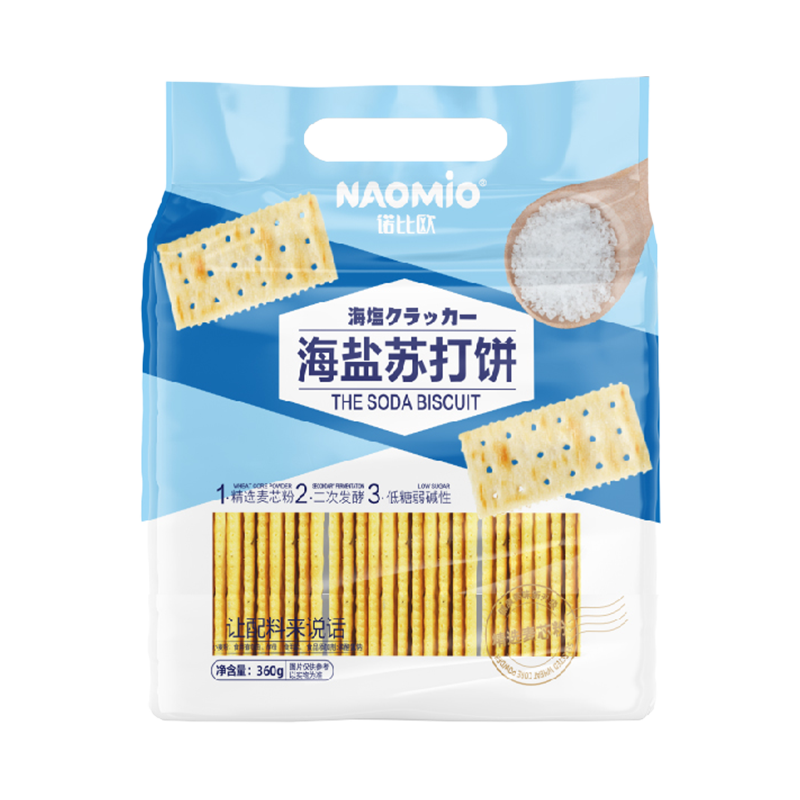
Finally, the tops are misted with water or brine and dusted with coarse salt that adheres during baking. We consider this one of the most underrated details in cracker making, because the size and distribution of the crystals change both the crunch and the perceived saltiness, which is why we watch it closely across our sea salt crackers.
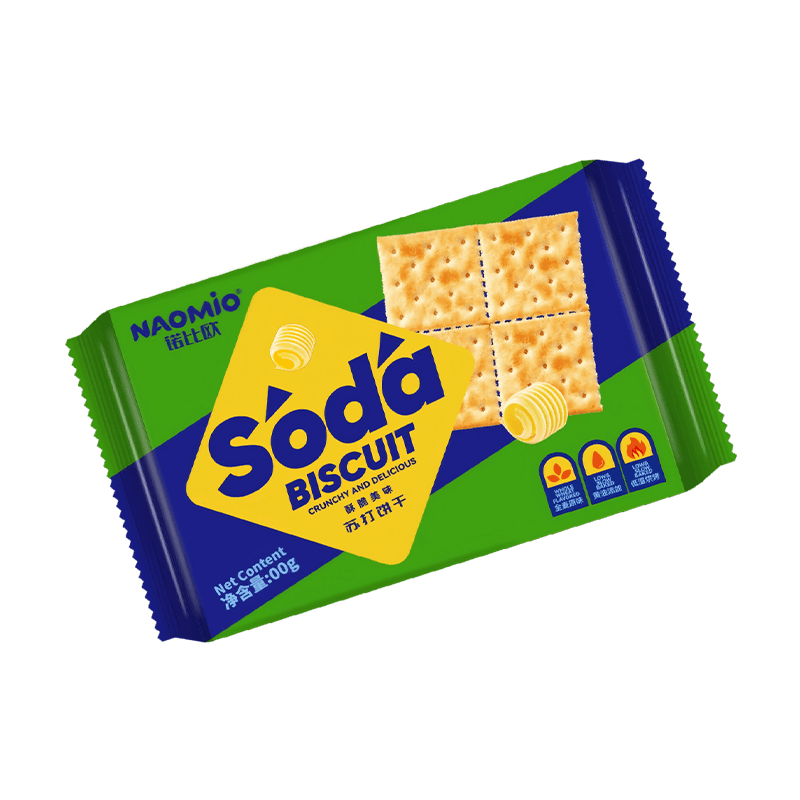 Sea Salt Soda Crackers with Light, Crispy TextureThese crackers pair a simple wheat flour, oil, and salt recipe with coarse salt crystals that affect crunch and saltiness during baking. The text highlights how salt topping shapes the final cracker, making this a fitting example.View Product →
From the docking station the squares travel directly onto the band of a long tunnel oven. Baking is quick and hot, usually just a few minutes, but the oven is divided into zones with different temperatures so the crackers first spring, then dry, then take on color. The surface blisters into the light golden spots characteristic of the style, and moisture falls to only a few percent, which is what makes the cracker shelf-stable and audibly crisp.
The baked crackers are cooled on conveyors to release residual heat and moisture, then stacked into sleeves and wrapped quickly. Speed matters here, because a cracker that sits in humid air for too long loses its snap, so packaging happens as close to the oven exit as possible.
Describing the steps is one thing; repeating them thousands of times a day is another. Consistency comes from control at every checkpoint, and in our own facility that means an in-house food hygiene and quality laboratory monitoring the whole journey from raw materials entering the plant to finished products leaving it.
With four cracker production lines and annual sales exceeding 10,000 tons, our goal is simple: every square that leaves the factory should taste and snap exactly like the one before it.
The beauty of the saltine process is how gracefully it adapts. Adjust the topping or fine-tune the formulation, and the same production principles yield an entire family of related crackers. The closest relative to the traditional saltine in our range is the classic salt soda cracker, which lets the fermented dough and a clean salt finish speak for themselves.
 Classic Salt Soda Crackers, Naturally FermentedMade with an 18-hour natural fermentation and no leavening agents, these crackers let the fermented dough and clean salt finish stand out. They appear here as the closest relative to the traditional saltine in the range.View Product →
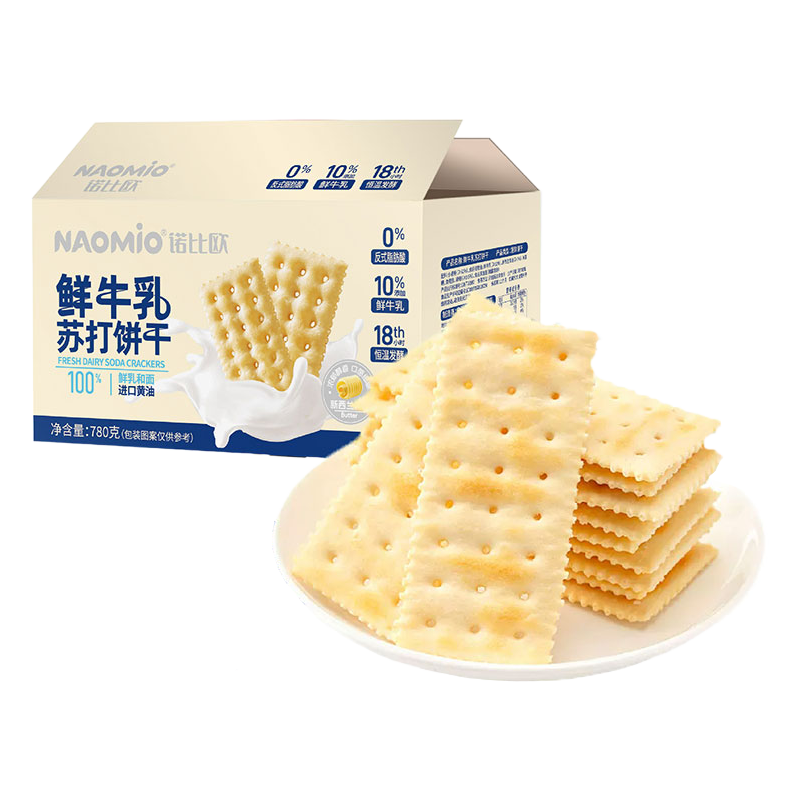
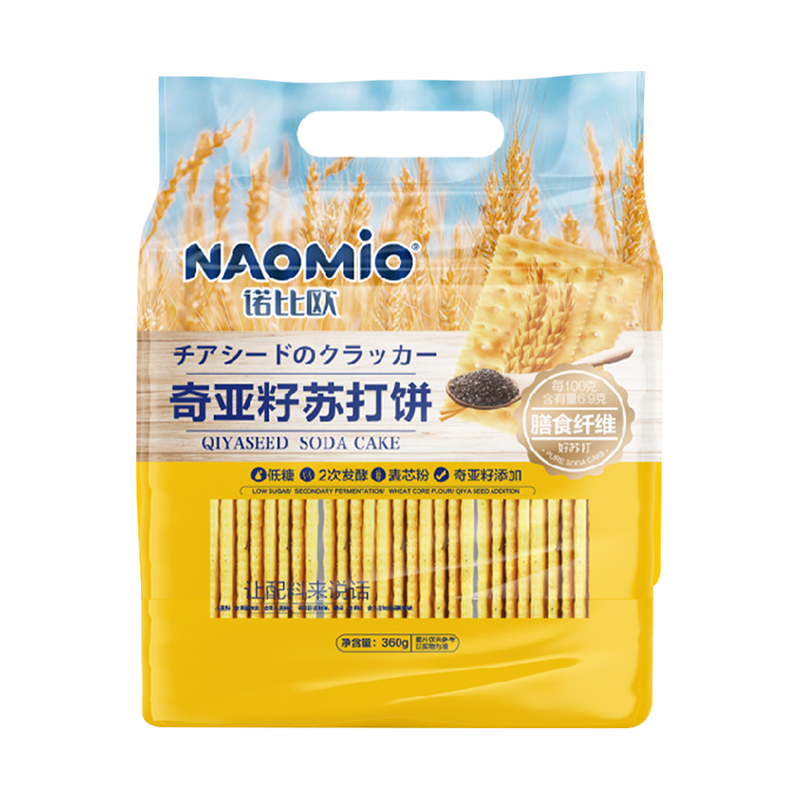
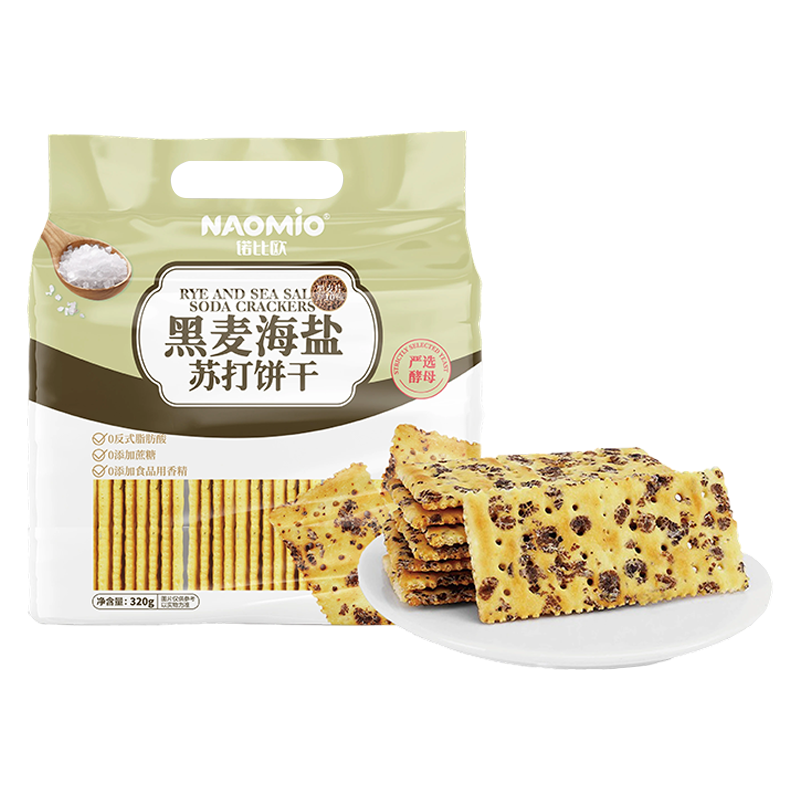
Consumer demand has also pushed the category toward lighter formulations. Sugar-free and low-sugar soda crackers reduce or remove added sugar without losing the flavor that fermentation provides, while ingredients such as chia seeds, rye, and milk bring their own texture and aroma to the sheet. Our low-sugar milk soda crackers are a good example: a gentle milky note, a light recipe, and the same crisp snap you expect from the classic.
 Low-Sugar Milk Soda Crackers with Fresh MilkFormulated with over 10% fresh milk and natural trehalose instead of sucrose, these crackers offer a gentle milky note with the classic crisp snap. The surrounding discussion of lighter, low-sugar formulations makes them a strong example.View Product →
So, how are saltines made? A lean dough of flour, water, yeast, fat, salt, and baking soda is mixed, fermented slowly, laminated into layers, sheeted, cut, docked, salted, baked hot and fast, cooled, and packaged. Each step is simple on its own; the craft lies in the timing and temperature decisions that repeat across every shift.
If you would like to keep exploring, we break down how many calories are in a saltine cracker and what the numbers mean for your daily diet in another article on this site. And if you are a buyer looking for a dependable cracker manufacturing partner, we are always glad to talk about what our production lines and quality systems can do for you.
Content
Saltine crackers are produced through a tightly controlled industrial sequence: ingredient mixing, dough fermentation and sheeting, rotary cutting, b...
READ MOREAt first glance, a soda cracker seems almost too simple to deserve a factory tour. It is a thin, square, lightly salted wafer that snaps cleanly when...
READ MOREQuick Answer: How to Make Chocolate Coffee Cookies To make chocolate coffee cookies, cream butter and sugar, mix in espresso powder and melted chocol...
READ MOREAs a professional cracker manufacturer, we hear this question often: how many carbs are in soda crackers? The quick answer is that a standard serving...
READ MORE





No. 232 Xinxin Road, Xinxin Industrial Village, Langxia Street, Yuyao City, Zhejiang Province
+(86) 187-6812-9528
