
 English
 中文简体
 Español
 عربى

Peanut butter crackers are one of those snacks that seem simple until you start counting. A single cracker, a little sandwich pack, or a handful with...
READ MORE
 2026.11.09
 Industry News
Peanut butter crackers are the kind of snack that seems to live forever in the back of a desk drawer. The truth is a little more nuanced. A sealed, commercially packaged peanut butter cracker can stay fresh for months, but once you open the wrapper, the clock starts ticking. The exact answer depends on the cracker, the peanut butter filling, the packaging, and how you store it.
At Ningbo Qibao Food Co., Ltd., we have been baking biscuits and crackers since 2000, so we have seen plenty of pantry habits up close. The short version is simple: keep them dry, keep them cool, and use your senses before you take a bite.
For most commercial peanut butter sandwich crackers, expect the following:
These are practical quality windows, not hard safety cutoffs. A cracker that is past its prime may still be safe, but it will not taste as good. A cracker with mold, a rancid smell, or a soggy texture should go in the bin.
Peanut butter crackers are a simple food, but several things decide how long they stay pleasant to eat.
Dry, crisp crackers have a natural advantage because they contain very little moisture. Moisture is the enemy of crunch, and it also creates a friendlier environment for mold. A thin, baked cracker usually stays crisp longer than a soft or chewy one. If the cracker already feels slightly stale when you open the pack, it will not improve with time.
Commercial peanut butter often contains stabilizers that keep the oil from separating, which helps the filling hold up in a pantry. Natural peanut butter is different. Its oils can separate and turn rancid faster, especially in heat. That does not make natural peanut butter a bad choice, but it does mean homemade or natural-filled crackers deserve a shorter leash.
Individual wrappers and sealed sleeves are designed to block air and humidity. Once that barrier is broken, the crackers begin to pull moisture from the air. A half-open sleeve left on the counter on a rainy day will soften much faster than one pressed into an airtight container. For a closer look at how biscuits fit into everyday eating, our guide to the nutritional value of biscuits is a useful read.
| Type | Unopened | After Opening | Best Storage |
|---|---|---|---|
| Commercial peanut butter sandwich crackers | Up to the best-by date, often 6-9 months | 1-2 weeks | Airtight container, cool and dry |
| Single-serve cracker packs | Up to the best-by date | Same day to 2 days once opened | Keep sealed until eating |
| Homemade peanut butter crackers | Not applicable | 3-5 days | Airtight container; freeze for longer storage |
| Frozen assembled crackers | Not applicable | 2-3 months in the freezer | Wrap well, thaw at room temperature |
The numbers above are a helpful starting point, not a guarantee. A cracker stored in a hot car or a humid kitchen will not match a cracker stored in a cool pantry. When the texture or smell changes, trust that more than the calendar.
Good storage is mostly about controlling air, moisture, and heat. These habits make a real difference.
Store peanut butter crackers away from the stove, the dishwasher, and sunny windowsills. A closed pantry shelf is ideal. Heat speeds up the breakdown of fats in the peanut butter, while humidity softens the crackers. If your kitchen runs hot and humid, a cool interior cupboard is better than an open counter.
If you open a sleeve and do not finish it, transfer the crackers to an airtight container or press the air out of the original wrapper and clip it shut. A simple zip-top bag works too. The goal is to keep out as much air as possible without crushing the crackers.
Use clean, dry hands when taking crackers from the package. Do not dip a wet knife into the peanut butter and then put it back. Moisture and food residue can encourage spoilage. If you pack crackers for lunch, keep them in a sealed container until midday.
Assembled peanut butter crackers can be frozen for two to three months. Place them in a single layer on a tray, then wrap them tightly or move them to a freezer bag. Thaw them at room temperature before eating. The crackers may soften slightly, so freezing works best for crackers you plan to toast or eat quickly after thawing.
Your senses are the best tool here. Before you eat a cracker that has been sitting around, check for these signs:
When in doubt, throw it out. The cost of a pack of crackers is not worth a stomachache.
The best-by date is a quality date, not a safety deadline. An unopened package stored in a cool, dry pantry may still be fine a few weeks or even months after that date. The crackers might be a little less crisp, and the peanut butter might have lost some freshness, but they are not automatically unsafe.
That said, the calculation changes once the package has been opened. If a sleeve has been open for a month, the crackers have been exposed to air and humidity, and the peanut butter has had time to oxidize. In that case, the best-by date is less useful. Check the texture and smell, and if anything seems off, discard it.
For food safety, never eat crackers that show mold or smell rancid, no matter what the date says. If you are unsure, choose the safer option.
Homemade peanut butter crackers are a different story. You control the ingredients, which is a good thing, but you also skip the commercial packaging and preservatives that help extend shelf life. A simple homemade version with dry crackers and peanut butter can last three to five days in an airtight container at room temperature. If you use natural peanut butter, keep them in the fridge and eat them within a few days, knowing the crackers may soften.
For longer storage, assemble the crackers and freeze them for up to two to three months. You can also store the crackers and peanut butter separately and assemble them just before serving. That keeps the cracker crisp and the peanut butter fresh.
We have spent more than two decades making biscuits and crackers, and one lesson never changes: moisture is the enemy of crispness. A good cracker starts with careful baking and consistent quality control, but the person holding the package also plays a part. Keep crackers sealed, keep them cool, and eat them while they still have that satisfying snap.
If you are looking for a dry, crisp cracker to pair with peanut butter or to enjoy on its own, our thin crispy cheese biscuits and nutritional biscuits are two options from our bakery. They are made for everyday snacking, and like any cracker, they will stay at their best when stored properly.
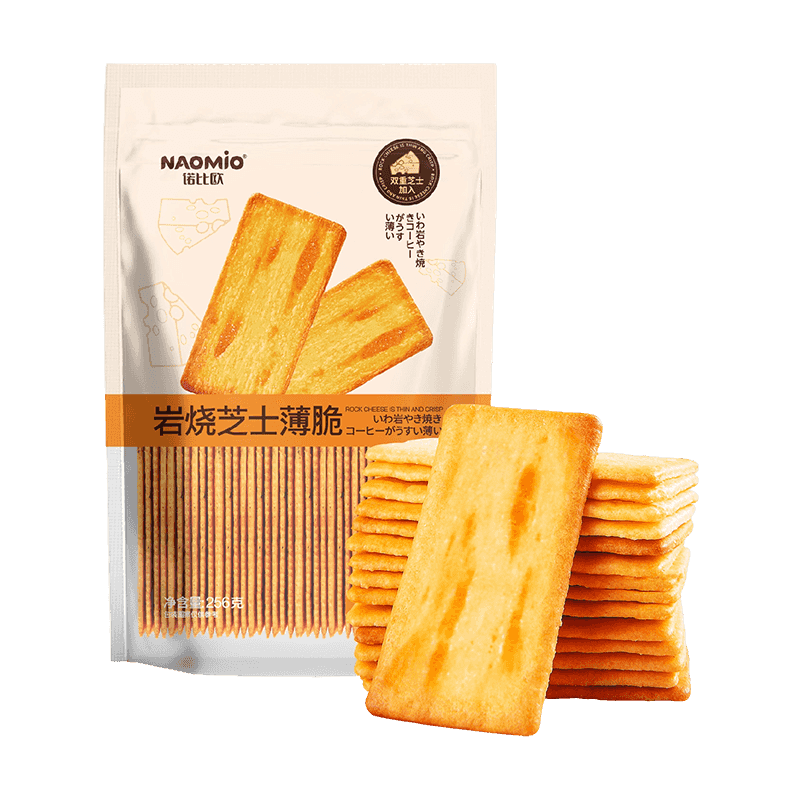 Cheese BiscuitsCheese Biscuits are a delicious biscuit designed for cheese lovers. Made with genuine imported cheese, they offer a rich cheese aroma, a savory and creamy blend, and a...View Product →
 Fortified Nutritional Biscuits for OEM/ODMBrowse fortified nutritional biscuits, including cocoa cookies and DHA egg cheese biscuits, as an everyday snack option with OEM/ODM support.View Product →
So, how long are peanut butter crackers good for? A sealed commercial pack can last six to nine months, often up to the best-by date. Once opened, aim to finish it within one to two weeks for the best crunch and flavor. Homemade crackers are best within three to five days, or frozen for a longer backup snack.
The real test is simple: keep them dry, keep them cool, and check the smell and texture before eating. A little attention goes a long way, and it keeps your pantry snacks ready when you need them.
Content
Peanut butter crackers are one of those snacks that seem simple until you start counting. A single cracker, a little sandwich pack, or a handful with...
READ MORESaltine crackers have a reputation for lasting almost forever. Anyone who has dug a half-empty sleeve out of the back of a cupboard knows the truth i...
READ MOREAs a professional cracker manufacturer, we hear this question often: how many carbs are in soda crackers? The quick answer is that a standard serving...
READ MOREYour stomach is queasy, the soup is hot, and the clock says it is too early for dinner. You reach for a sleeve of soda crackers almost without thinki...
READ MORE





No. 232 Xinxin Road, Xinxin Industrial Village, Langxia Street, Yuyao City, Zhejiang Province
+(86) 187-6812-9528
