
 English
 中文简体
中文简体 Español
 عربى
عربى
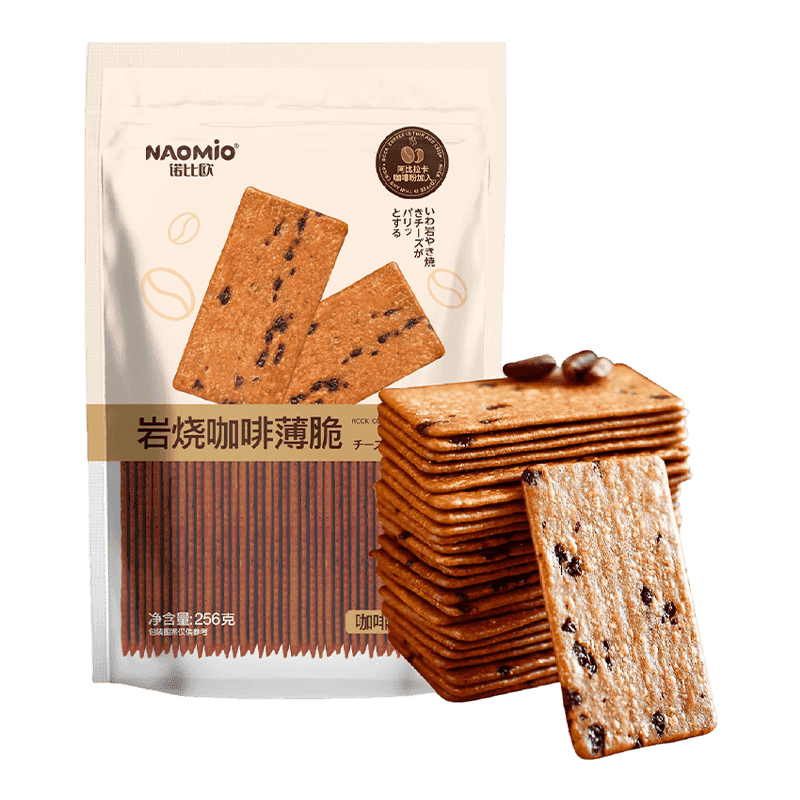
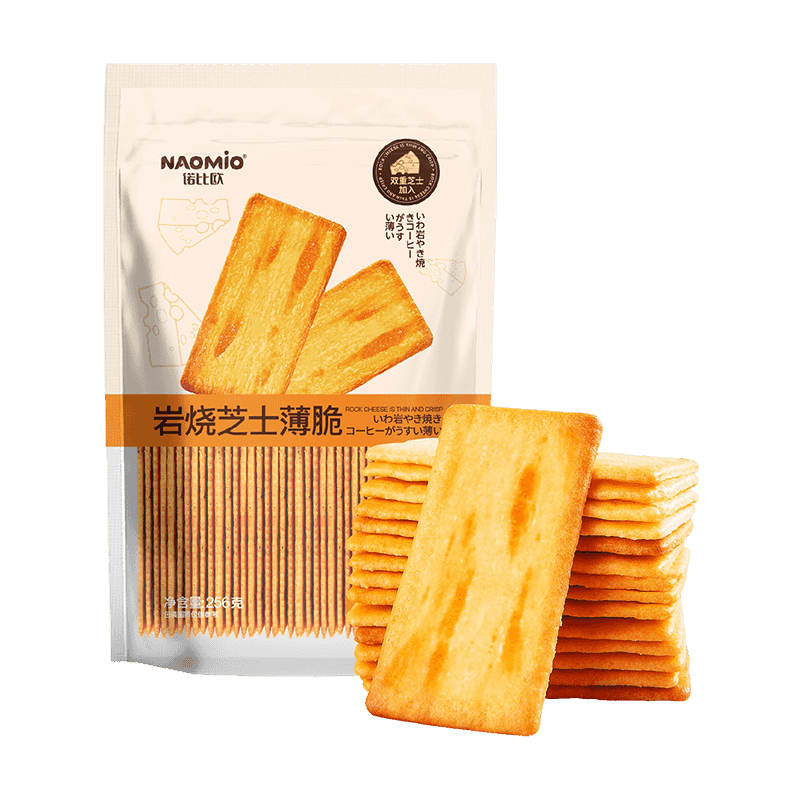
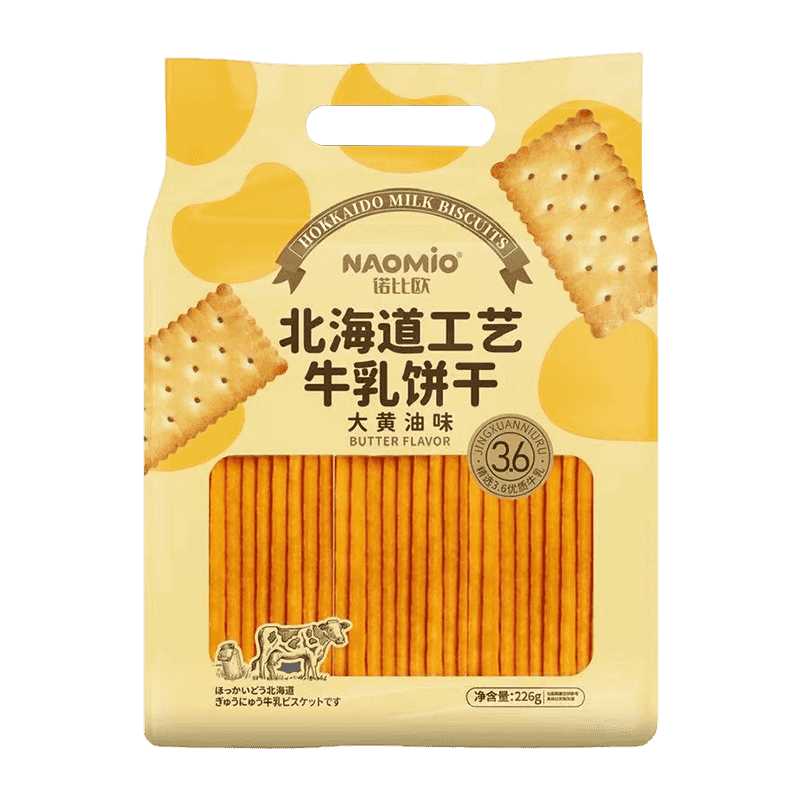
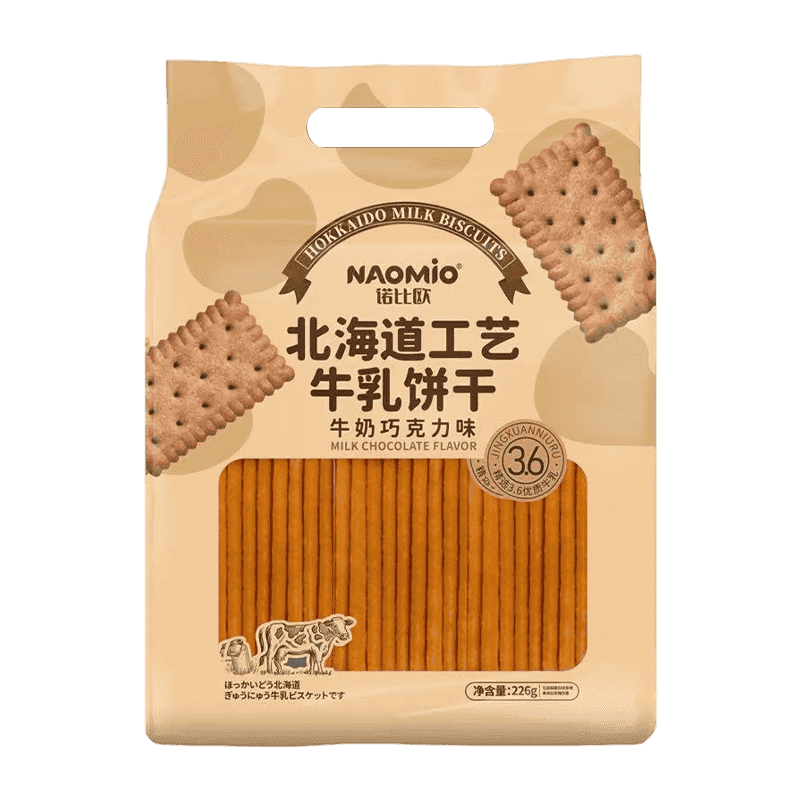

Walk through any commercial bakery during a morning bake and you will see two very different biscuit lines moving at different speeds. One relies on ...
READ MORE
 2026.04.01
 Industry News
Yeast rolls are chewy, airy, and slightly sweet breads leavened by yeast fermentation, while biscuits are tender, flaky, and savory quick breads leavened by baking powder or baking soda. The core difference comes down to leavening agent and texture — yeast rolls require rising time and deliver a bread-like crumb, whereas biscuits are ready in under 30 minutes with a crumbly, layered interior. A third hybrid — the yeast biscuit — uses both yeast and chemical leavening for the best of both worlds.
The fundamental distinction between yeast rolls and biscuits lies in how they rise, the ingredients used, and the resulting texture. Understanding these differences helps you choose the right bread for the right occasion.
| Feature | Yeast Rolls | Biscuits |
|---|---|---|
| Leavening | Active dry or instant yeast | Baking powder / baking soda |
| Prep Time | 1.5–3 hours (with rising) | 20–30 minutes |
| Texture | Soft, chewy, bread-like crumb | Flaky, crumbly, tender layers |
| Flavor Profile | Mildly sweet, slightly yeasty | Buttery, savory, rich |
| Fat Content | Lower (butter or oil) | Higher (cold butter, shortening) |
| Kneading Required | Yes | Minimal (overworking ruins texture) |
| Best Served With | Holiday meals, soups, dinner | Gravy, eggs, fried chicken |
Yeast rolls rely on biological fermentation. Active dry yeast or instant yeast feeds on sugars in the dough, producing carbon dioxide gas that creates an open, airy crumb structure. This process also generates flavor compounds — alcohols and organic acids — that give yeast rolls their distinctive mild tang and depth.
A typical yeast roll recipe includes bread flour (for higher gluten development), warm liquid (between 100°F and 110°F to activate yeast), a fat source, sugar, salt, and eggs. The dough requires at least one full rise (bulk fermentation) of 60–90 minutes, followed by shaping and a second proof of 30–45 minutes before baking.
The result is a roll with a pull-apart softness ideal for dinner tables. Classic examples include Parker House rolls, Hawaiian sweet rolls, and cloverleaf rolls.
Biscuits are a quick bread, meaning they use chemical leaveners — baking powder releases CO2 instantly when moistened and heated, eliminating the need for rising time. The secret to flaky biscuits is cold fat. Butter or shortening is cut into the flour, leaving pea-sized pockets that steam during baking, creating distinct, pull-apart layers.
Overworking biscuit dough activates gluten and produces a tough, dense result. Most recipes call for mixing until just combined — about 10–15 folds by hand — and chilling the dough if it gets too warm. Southern-style buttermilk biscuits use the acid in buttermilk to react with baking soda for extra lift and a subtle tang.
Yeast biscuits — also called angel biscuits or bride's biscuits — combine yeast with baking powder and sometimes baking soda, giving them the flaky layers of a classic biscuit and the light, airy lift of a yeast roll. They originated in the American South as a more forgiving biscuit for beginner bakers, because the dual leavening system means mistakes are less costly.
A standard yeast biscuit recipe typically uses 1 package (2¼ tsp) of active dry yeast combined with 1 teaspoon of baking powder per 2–3 cups of flour. The yeast needs a short rest period — usually 30 to 60 minutes — but the dough can also be refrigerated overnight and baked fresh the next day, making it ideal for meal prep.
Flavor is where personal preference plays the largest role in choosing between yeast rolls and biscuits.
Yeast rolls have a mild, slightly sweet flavor with a subtle fermented depth. The interior crumb is open and elastic — it bounces back when pressed. Because of their lower fat content (typically 2–4 tablespoons of butter for a dozen rolls), they feel lighter and are easier to eat in multiples alongside a heavy meal.
Biscuits are richer and more intensely buttery, with a crumbly, layered texture that practically melts in the mouth. A classic buttermilk biscuit may contain up to ½ cup (1 stick) of cold butter per 2 cups of flour — a significantly higher fat ratio. They're satisfying on their own but also serve as a delivery vehicle for gravies, jams, honey, or fried chicken.
Yeast biscuits land in the middle: buttery like a biscuit, soft like a roll, with a hint of yeasty flavor that traditional biscuits lack entirely.
Matching the bread to the meal and occasion makes a meaningful difference at the table.
Even experienced bakers run into problems with these breads. Here are the most frequent errors and their fixes:
For those tracking macros or managing dietary goals, the nutritional profiles differ notably:
| Nutrient | Yeast Roll | Buttermilk Biscuit | Yeast Biscuit |
|---|---|---|---|
| Calories | ~130 kcal | ~210 kcal | ~175 kcal |
| Total Fat | 3–4g | 10–12g | 7–9g |
| Carbohydrates | 22–25g | 25–28g | 23–26g |
| Protein | 4–5g | 3–4g | 4–5g |
| Sodium | ~180mg | ~350mg | ~270mg |
Yeast rolls are the lighter option by a significant margin — roughly 40% fewer calories and 70% less fat than a standard biscuit. Yeast biscuits occupy the middle ground and are a reasonable compromise if you want biscuit flavor without as much richness.
Both breads are best fresh, but their behavior after storage differs:
If you're cooking for a crowd and need to prepare ahead, yeast rolls and yeast biscuits are the more practical choices — both can be shaped and refrigerated (or frozen before the final bake) and pulled out on demand.
Content
Walk through any commercial bakery during a morning bake and you will see two very different biscuit lines moving at different speeds. One relies on ...
READ MOREWhat Are Yeast Biscuits? Yeast biscuits are a hybrid Southern quick bread that uses both active dry yeast and baking powder (or baking soda) as leave...
READ MOREYes, heart patients can eat biscuits — but the type, ingredients, and portion size matter enormously. Standard commercial biscuits loaded with refine...
READ MOREDo Biscuits Have Nutritional Value? The Direct Answer Yes, biscuits do have nutritional value—but the type and quality of that nutrition varies enorm...
READ MORE





No. 232 Xinxin Road, Xinxin Industrial Village, Langxia Street, Yuyao City, Zhejiang Province
+(86) 187-6812-9528
