
 English
 中文简体
中文简体 Español
 عربى
عربى
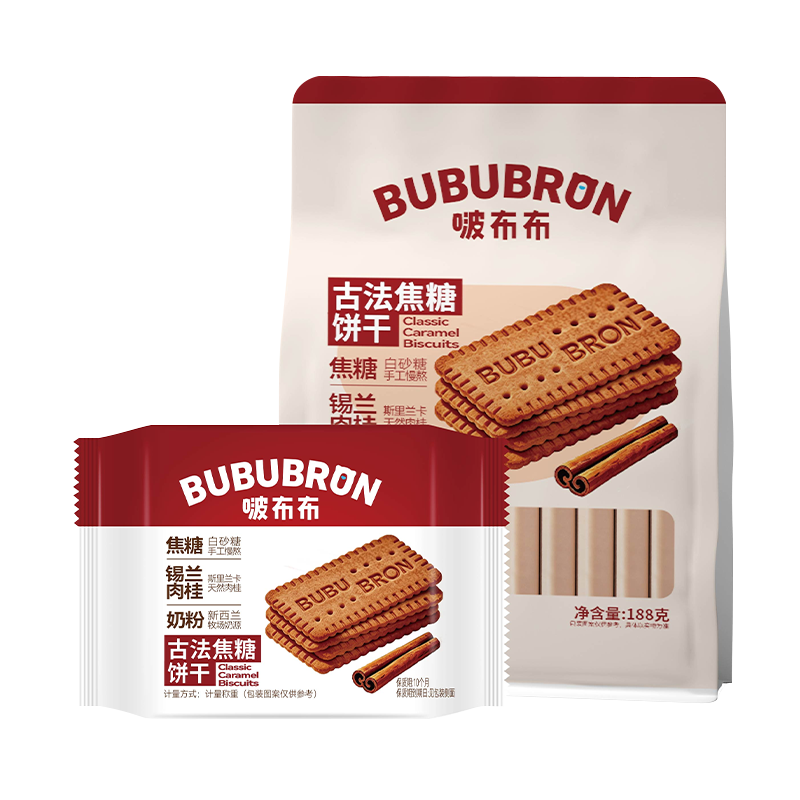
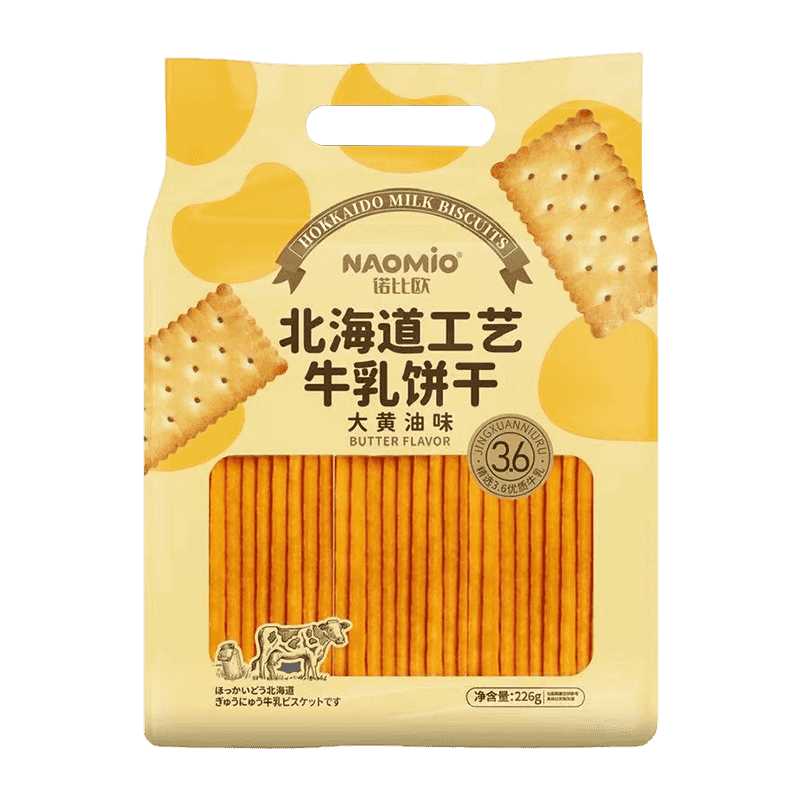
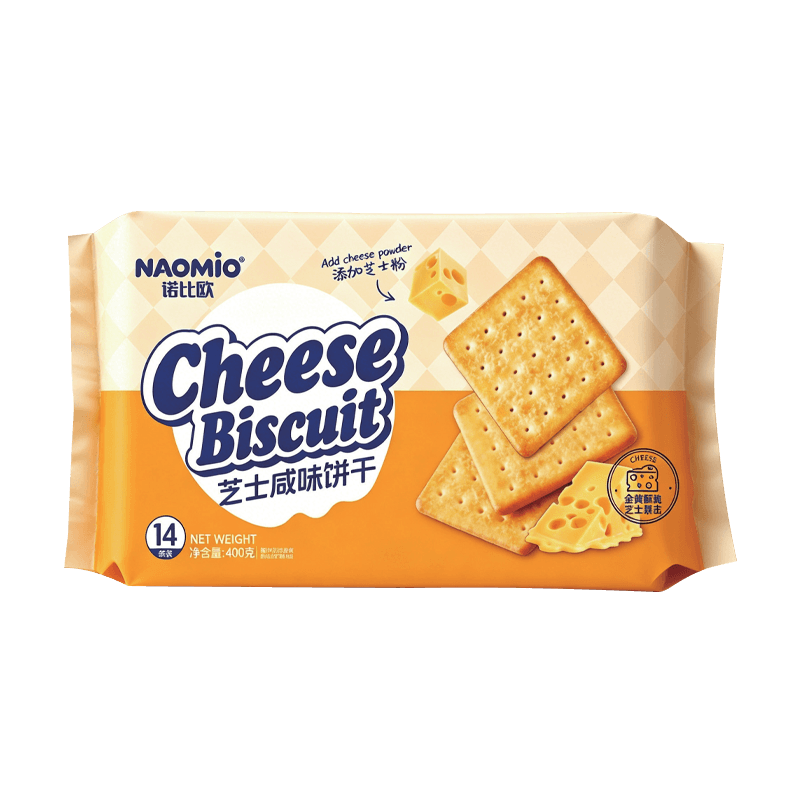
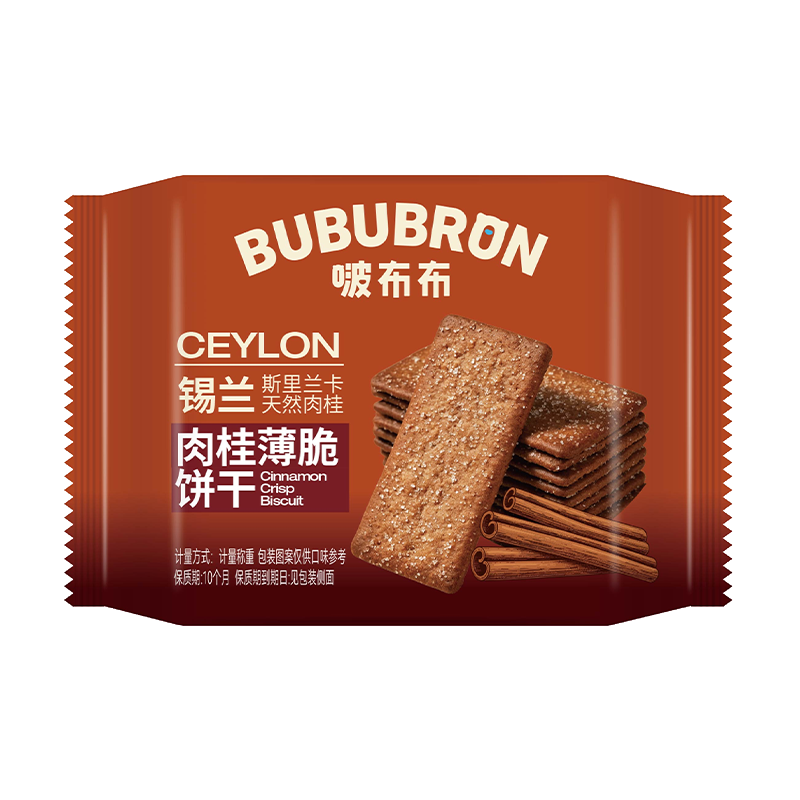
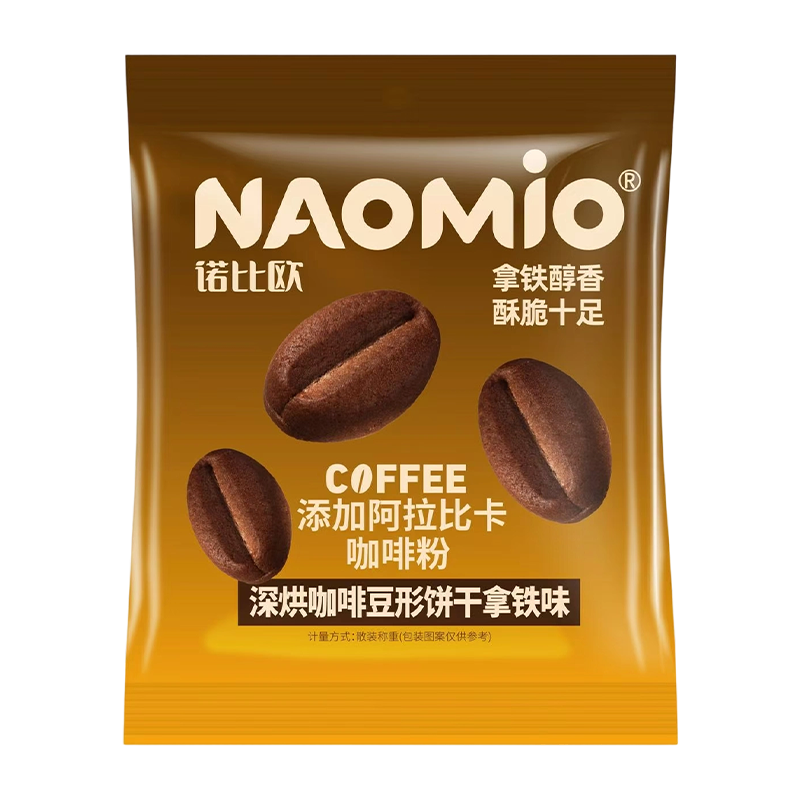
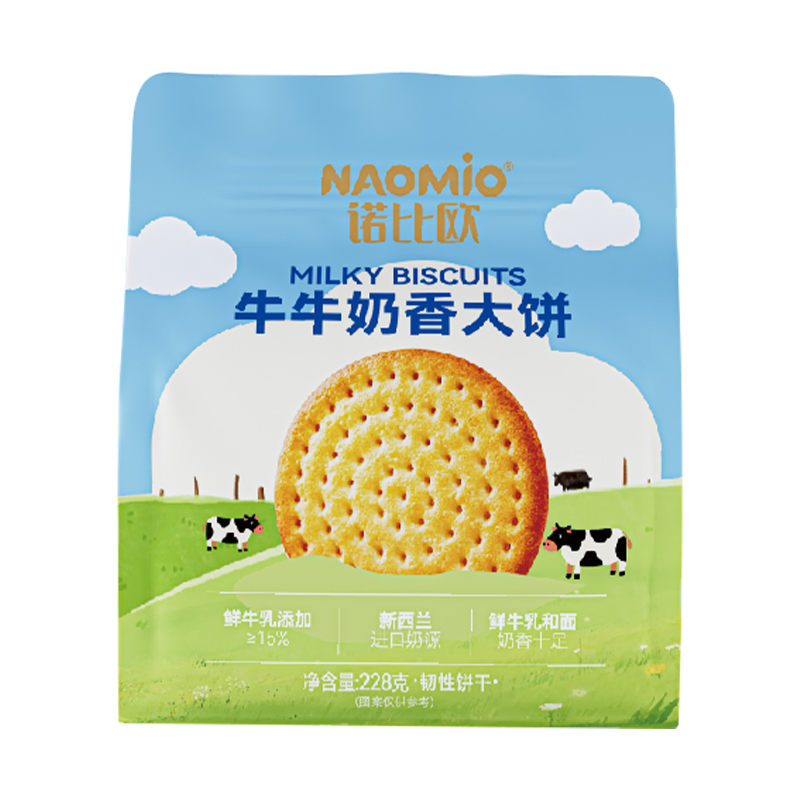
What Milk Biscuits Are — The Direct Answer Milk biscuits are baked goods made with milk or milk-derived ingredients — most commonly whole milk, skimm...
READ MORE
 2026.06.10
 Industry News
Yeast biscuits are a hybrid Southern quick bread that uses both active dry yeast and baking powder (or baking soda) as leaveners, producing a roll that is simultaneously fluffy like a dinner roll and tender-crumbed like a traditional buttermilk biscuit. They are also called "angel biscuits" or "bride's biscuits" across the American South — names that nod to their almost impossibly light, pillowy texture.
Unlike standard biscuits that rely solely on baking powder and cold fat for lift, yeast biscuits get a slow, additional rise from yeast fermentation. Unlike dinner rolls, they require no kneading and use a much shorter rise time — typically 1 to 2 hours at room temperature, or overnight in the refrigerator. The result is a biscuit with noticeably more depth of flavor, a slightly chewy interior, and extraordinary forgiveness for beginner bakers.
Understanding how yeast biscuits differ from standard buttermilk biscuits helps explain why bakers choose one over the other.
| Feature | Regular Biscuits | Yeast Biscuits |
|---|---|---|
| Leavener | Baking powder only | Yeast + baking powder |
| Rise time | None (oven rise only) | 1–2 hrs (or overnight) |
| Texture | Flaky, crumbly layers | Soft, pillowy, slightly chewy |
| Flavor | Buttery, neutral | Tangy, slightly complex |
| Forgiveness | Low (overworking = tough) | High (yeast compensates) |
| Make-ahead | Poor (best baked fresh) | Excellent (dough keeps 5 days refrigerated) |
The most practical advantage yeast biscuits hold over regular biscuits is the make-ahead flexibility. The dough can be mixed on Sunday, stored covered in the refrigerator, and cut and baked on demand throughout the week — making them a weekday breakfast staple for busy households.
Yeast biscuits have deep roots in the American South, where biscuit-making was an everyday necessity long before commercial baking powder became widely available in the 1850s. Early Southern cooks used homemade starters or commercial yeast cakes to leaven everything from bread to biscuits.
The angel biscuit form — combining yeast with baking powder — became especially popular from the 1950s through the 1970s as a practical solution for church potlucks, holiday gatherings, and farm breakfasts where biscuits needed to be made in large batches ahead of time. The dual-leavener approach guaranteed a reliable rise even if the yeast was slightly old or the oven temperature varied, earning them the reputation as the "foolproof biscuit."
Regional names vary: they are called angel biscuits in Tennessee and Georgia, bride's biscuits in parts of Virginia, and simply yeast biscuits throughout Texas and the Gulf Coast.
Every ingredient in a yeast biscuit recipe plays a specific structural or flavor role. Understanding these functions helps troubleshoot failures and make smart substitutions.
Most recipes call for 5 cups (600 g) of all-purpose flour as the base. Some bakers substitute 25–50% with lower-protein Southern soft-wheat flour (such as White Lily) for a more tender crumb. Higher-protein bread flour is generally avoided because it creates too much gluten structure, working against the soft, open texture that defines a yeast biscuit.
One standard packet (2¼ teaspoons / 7 g) of active dry yeast is typical for a 5-cup batch. The yeast provides a slow, steady rise that creates an open, airy crumb structure and contributes subtle fermentation flavors — complexity that baking powder alone cannot replicate. Yeast must be proofed in warm liquid (105–115 °F / 40–46 °C); water that is too hot (above 120 °F / 49 °C) kills the yeast.
Typically 1 tablespoon of baking powder plus ½ teaspoon of baking soda. These chemical leaveners provide immediate oven spring — lift that happens in the first few minutes of baking — which supplements the yeast rise and ensures the biscuits don't collapse if the yeast was slightly under-proofed.
Classic recipes use ½ cup (100 g) of vegetable shortening, cut into the flour in small pieces, which creates tenderness without adding moisture. Modern adaptations frequently use cold butter (or a 50/50 blend) for richer flavor. The fat must remain cold and in pea-sized pieces; it creates steam pockets during baking that contribute to lift and a layered interior.
About 2 cups (480 ml) of buttermilk provides acidity that reacts with baking soda for extra lift, tenderizes the gluten strands, and contributes the characteristic tangy flavor. A simple substitute is 2 cups whole milk plus 2 tablespoons white vinegar, left to curdle for 5 minutes.
A small amount of sugar (1–2 tablespoons) feeds the yeast and promotes golden browning via the Maillard reaction. Salt (1–1½ teaspoons) controls yeast activity, strengthens gluten, and is the primary flavor enhancer — omitting it produces a noticeably flat-tasting biscuit.
The following method produces approximately 24 biscuits (2½-inch rounds) and takes about 30 minutes of active work plus 1–2 hours of rise time.
Even with the dual-leavener insurance policy, a few common mistakes can undermine your results.
The base yeast biscuit dough is exceptionally versatile. Once you have the classic recipe down, these variations require minimal changes.
One of the greatest practical advantages of yeast biscuits is their storage flexibility — both as raw dough and as baked biscuits.
The dough keeps covered in the refrigerator for up to 5 days. Simply pull off what you need, cut, rest for 20 minutes, and bake. This makes yeast biscuits an ideal weekend-prep, weekday-breakfast solution.
Store baked biscuits in an airtight container at room temperature for up to 2 days. Beyond that, texture deteriorates noticeably as the starches crystallize (staling).
Cool completely, wrap individually in plastic wrap, and freeze in a zip-lock bag for up to 3 months. Reheat from frozen at 350 °F (175 °C) for 10–12 minutes, or wrap in a damp paper towel and microwave for 30–45 seconds for a softer result.
Arrange cut biscuits on a parchment-lined sheet and freeze until solid (about 2 hours), then transfer to a freezer bag. Bake from frozen at 425 °F — add 3–5 extra minutes to the standard bake time. No thawing needed.
Nutritional values vary by recipe and size, but a standard 2½-inch yeast biscuit made with shortening falls in this approximate range:
| Nutrient | Per Biscuit (approx.) |
|---|---|
| Calories | 160–190 kcal |
| Total Fat | 6–8 g |
| Carbohydrates | 24–27 g |
| Protein | 4–5 g |
| Sodium | 280–320 mg |
Compared to a fast-food buttermilk biscuit, which typically contains 280–350 calories and 12–16 g of fat, homemade yeast biscuits are noticeably lighter — an advantage of using less fat and no artificial preservatives.
Yeast biscuits are versatile enough to anchor both breakfast and dinner menus.
Content
What Milk Biscuits Are — The Direct Answer Milk biscuits are baked goods made with milk or milk-derived ingredients — most commonly whole milk, skimm...
READ MOREWhat Are Yeast Biscuits and How Do They Differ from Conventional Crackers? Yeast biscuits are a category of baked cracker or biscuit in which live yea...
READ MORENutritional biscuits are baked products specifically formulated or fortified to deliver meaningful amounts of protein, fiber, vitamins, or minerals —...
READ MOREYeast rolls are chewy, airy, and slightly sweet breads leavened by yeast fermentation, while biscuits are tender, flaky, and savory quick breads leav...
READ MORE





No. 232 Xinxin Road, Xinxin Industrial Village, Langxia Street, Yuyao City, Zhejiang Province
+(86) 187-6812-9528
