English
 中文简体
中文简体 Español
 عربى
عربى



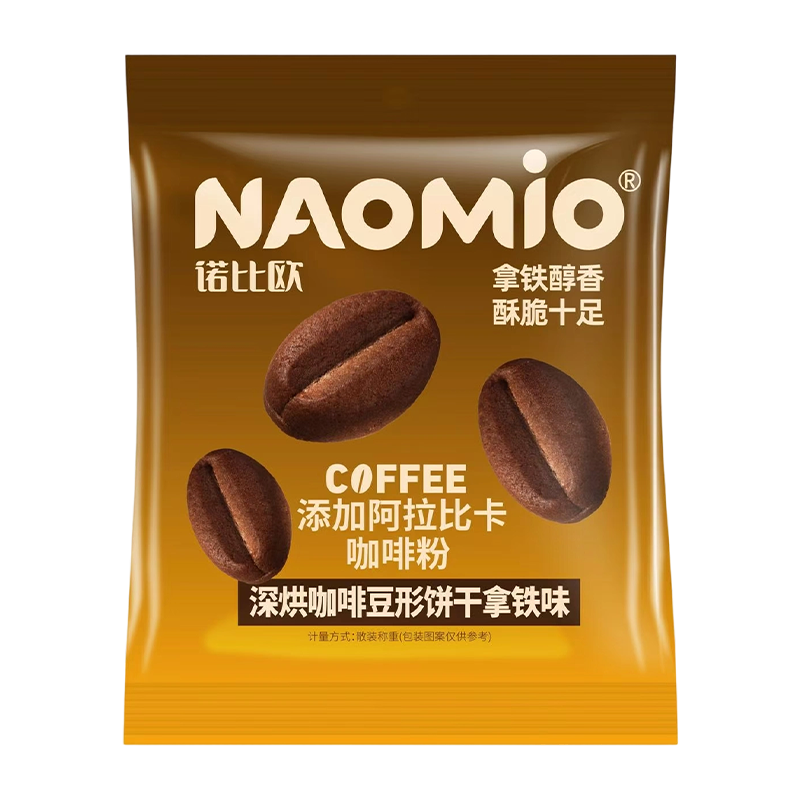
Latte flavor coffee biscuits work because they combine two comfort-food cravings — the roasted bitterness of espresso and the creamy sweetness of steamed milk — into a single, shelf-stable snack that doesn't need refrigeration or brewing.
The best versions balance coffee intensity, sweetness, and texture so the biscuit reads as "coffee shop treat" rather than either a plain sweet cookie or an overly bitter one.
Coffee-flavored snacks have moved well beyond novelty. Below, we break down what actually makes a latte flavor biscuit taste authentic, how it compares to other coffee snack formats, and what to look for — whether you're a shopper choosing a pack or a retailer evaluating what to stock.
Why Latte Flavor Works So Well in a Biscuit
Latte is, by definition, a balance of two things: espresso and milk. Translating that balance into a baked snack means the biscuit needs both a roasted, slightly bitter note and a creamy, rounded sweetness — not just "coffee flavoring" dumped into a standard dough.
This is why the flavor profile of a latte biscuit is harder to get right than, say, a chocolate or vanilla one — too much coffee and it turns sharp and medicinal; too little and it just tastes like a plain milk biscuit with brown coloring.
Latte Biscuits vs. Other Coffee Snack Formats
Latte flavor coffee biscuits sit in a specific spot in the coffee-snack category. Here's how they compare to the alternatives shoppers often consider instead:
| Format | Shelf Life | Best Use Case |
|---|---|---|
| Latte flavor coffee biscuits | 6–12 months | Everyday snacking, tea/coffee pairing, gifting |
| Coffee-flavored cake bars | 1–2 weeks (fresh) | Immediate consumption, bakery-style treats |
| Instant mocha/latte sachets | 12+ months | Drinking, not snacking |
| Coffee candy/toffee | 9–12 months | Small, quick sugar hit rather than a full snack |
Practical note: Biscuits outperform most other coffee-snack formats on shelf life while still delivering a "baked treat" texture — which is why they travel well for offices, road trips, and gifting.
What Makes a High-Quality Latte Biscuit
Not all latte-flavored biscuits deliver on the promise. When evaluating a product — as a shopper or a buyer — these four factors matter most:
1. Real coffee vs. artificial flavoring
Biscuits made with actual coffee extract or fine coffee powder carry a rounder, more layered aroma than those relying solely on artificial "coffee flavor," which tends to taste flat and one-dimensional after the first bite.
2. Texture: chewy vs. crisp
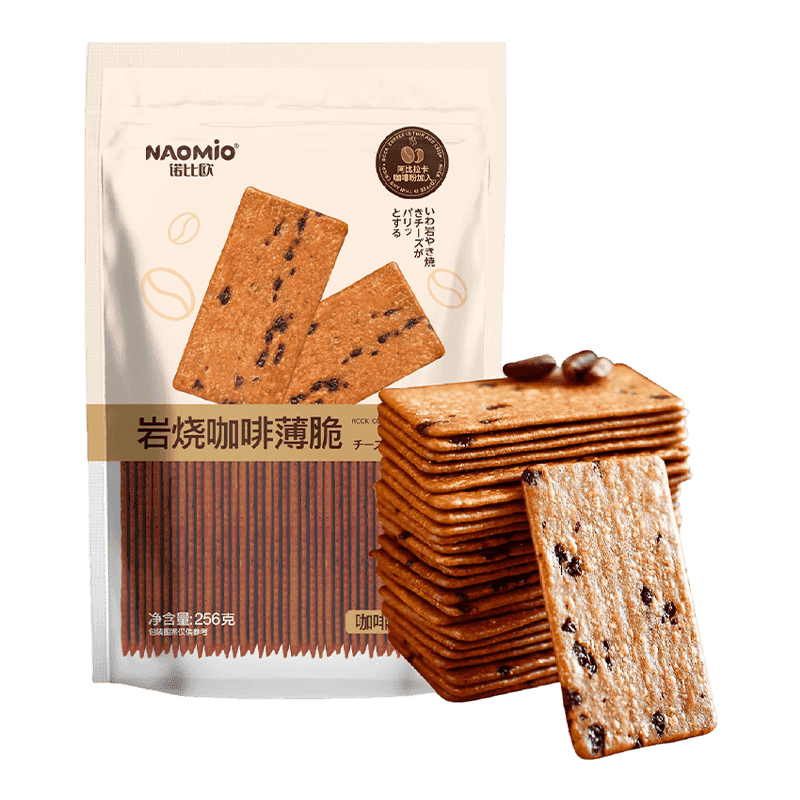
Latte flavor pairs differently depending on the base biscuit. A chewy biscuit holds moisture and lets the coffee-milk flavor linger longer on the palate, while a crisp, yeast-based biscuit delivers a faster, lighter coffee note that suits quick snacking.
3. Sweetness balance
Because coffee itself is bitter, the sugar level has to be calibrated carefully — biscuits that lean too sweet mask the coffee character entirely, while those with too little sugar can taste harsh rather than "latte-like."
4. Milk component quality
The "latte" half of the flavor depends on a genuine dairy or cream note, whether through milk powder in the dough or a milk-cream filling — this is what separates a true latte biscuit from a generic "mocha" or "coffee" biscuit.
Common Latte Biscuit Styles
Latte flavor shows up across several biscuit formats, each suited to a different snacking moment:
Sandwich-Filled Latte Biscuits
Two crisp wafers with a latte cream filling — closest to the actual espresso-and-milk balance, ideal for a dedicated coffee-break treat.
Chewy Coffee Biscuits
Soft, dense texture that holds coffee flavor longer; well-suited for pairing with a hot drink since it softens slightly rather than crumbling.
Yeast-Based Latte Biscuits
Lighter, more airy crumb with a milder coffee note — a good entry point for those who find stronger coffee snacks too intense.
Nutritional Latte Biscuits
Coffee flavor combined with added fiber, grains, or reduced sugar formulations for shoppers who want the taste without a heavier sugar load.
How to Choose the Right Pack
Whether shopping for yourself or stocking a shelf, matching the biscuit style to the intended use makes the flavor land better:
- For pairing with actual coffee or tea — choose a lighter, crisp yeast-based biscuit so the flavors complement rather than compete
- For a standalone snack — a sandwich-filled or chewy latte biscuit delivers a fuller coffee-and-cream experience on its own
- For gifting or office snacking — individually wrapped packs preserve aroma and freshness better than bulk-bagged formats
- For health-conscious shoppers — nutritional biscuit lines with latte flavor offer the taste profile with better sugar or fiber content
Frequently Asked Questions
Do latte flavor biscuits actually contain caffeine?
It depends on the formulation — biscuits made with real coffee extract or powder typically contain a small amount of caffeine, while those using artificial flavoring generally contain none. Checking the ingredient list is the most reliable way to confirm.
What's the difference between "latte," "mocha," and "coffee" flavor on packaging?
Latte flavor emphasizes the milk-and-coffee balance with a creamier, rounder taste; mocha adds a chocolate note into that mix; plain "coffee" flavor is usually more bitter and roast-forward with little to no dairy character.
How should latte biscuits be stored to keep the flavor fresh?
An airtight container in a cool, dry place away from direct sunlight preserves the coffee aroma best — once a pack is opened, the flavor and crispness typically start declining within one to two weeks if left exposed to air.