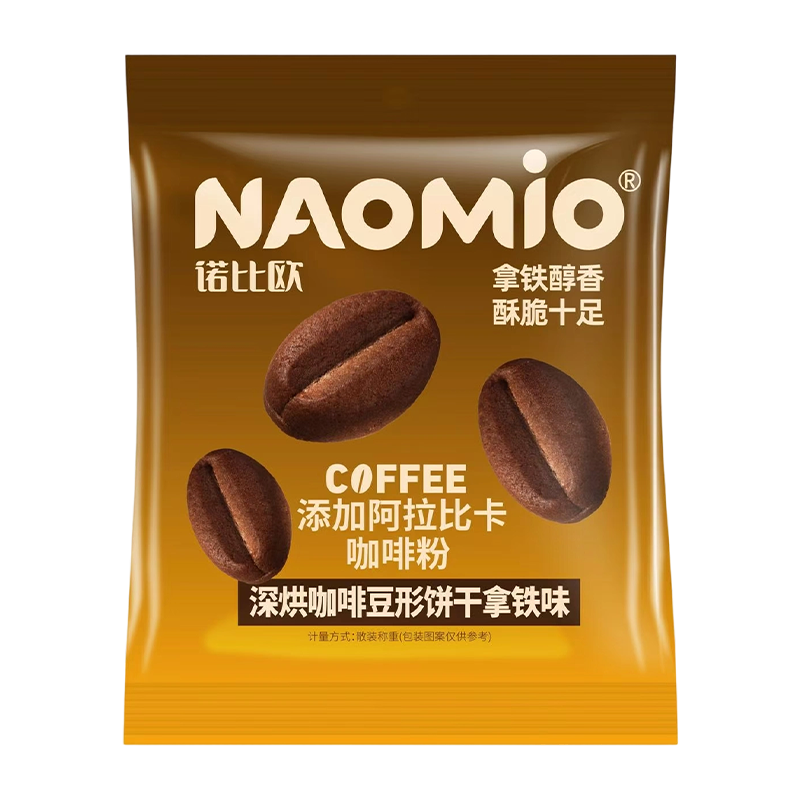
The best coffee cookies are made by combining real butter, quality coffee or espresso powder, and a short baking time at moderate heat (160–175°C / 320–350°F) to preserve both the buttery richness and the aromatic coffee flavor. Whether you're making classic latte flavor coffee biscuits, delicate natural butter cookies with a hint of espresso, or rich milk butter cookies with a caramel-coffee note, the core technique is the same: use cold or room-temperature butter (never melted), dissolve coffee into a small amount of liquid for even flavor distribution, and avoid overmixing the dough. This guide covers every variation with precise ingredient ratios, step-by-step methods, and the key decisions that separate a great coffee cookie from a mediocre one.
Ingredients That Define a Great Coffee Cookie
Before mixing a single ingredient, understanding what each component contributes will help you make better decisions at every step. Coffee cookies sit at the intersection of two delicate flavors — butter and coffee — and both deserve careful handling.
Butter: Natural vs. Milk Butter
Butter is the single most important ingredient in any butter cookie or biscuit. Two types are commonly used:
- Natural butter (European-style, 82–84% fat): Higher fat content produces a richer, more crumbly texture with a clean dairy flavor that lets the coffee shine. Brands like Président, Lurpak, or Kerrygold fall into this category. This is the preferred choice for latte flavor coffee biscuits where the butter-coffee balance is the star.
- Milk butter (standard, 80% fat): Slightly higher water content creates a softer, more tender crumb. Works well for milk butter cookies that are thicker and chewier rather than crisp and snap-apart. The mild dairy note blends well with sweeter, latte-style coffee flavors.
- Unsalted butter is strongly preferred in all recipes — it gives you control over salt levels, which directly affect how coffee bitterness is perceived.
Coffee: Espresso Powder vs. Instant Coffee vs. Brewed
The type and form of coffee you use dramatically changes the final flavor profile:
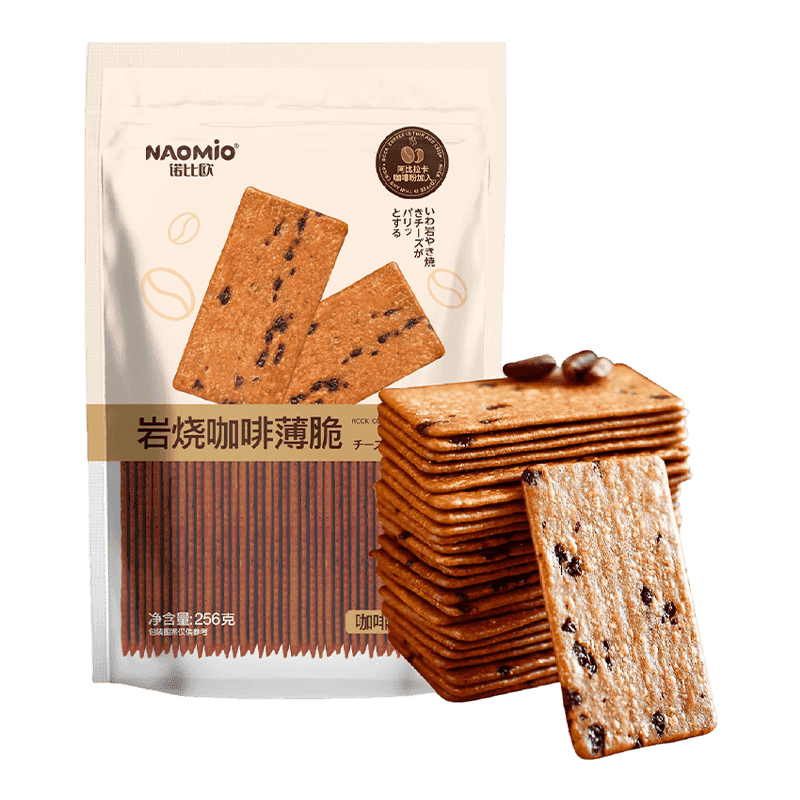
- Espresso powder (e.g., King Arthur, Medaglia d'Oro): The most concentrated and reliable form. 1 teaspoon (2–3g) per 200g flour delivers a deep, roasted coffee note without adding excess moisture. Best for crisp biscuits.
- Instant coffee granules: More widely available and slightly milder. Use 1.5–2 teaspoons dissolved in 1 tablespoon of warm water or milk to create a latte-style flavor. The dissolved form ensures even distribution throughout the dough.
- Brewed espresso (cooled): Adds real coffee complexity but also adds liquid. Replace the egg or milk in a recipe with 2–3 tablespoons of strong brewed espresso for a subtler, more aromatic result.
- Ground coffee (fine-ground): Can be added directly to dough at 1–2 teaspoons per batch for a rustic, speckled appearance and a slightly earthy, textured coffee bite.
Sugar Choices and Their Effect
Sugar does more than sweeten — it controls spread, texture, and how the coffee flavor comes through:
- Powdered (icing) sugar: Produces the most tender, melt-in-mouth texture. Essential for shortbread-style latte biscuits. Does not spread, creating neat, defined shapes.
- Caster (superfine) sugar: Dissolves quickly, creates a slightly crisper exterior. Good all-purpose choice for most coffee cookie recipes.
- Brown sugar: Adds molasses notes that complement coffee beautifully, especially in latte-style or mocha variations. Creates a chewier, denser texture.
Complete Ingredient Quantities for Three Coffee Cookie Recipes
The table below provides scaled, ready-to-use ingredient lists for three distinct variations, each making approximately 24–28 cookies:
| Ingredient |
Latte Flavor Coffee Biscuits |
Natural Butter Coffee Cookies |
Milk Butter Coffee Cookies |
| All-purpose flour |
200g |
220g |
210g |
| Butter (unsalted) |
130g natural butter |
150g natural butter |
140g milk butter |
| Sugar |
60g powdered sugar |
50g powdered sugar |
70g caster sugar |
| Coffee |
2 tsp instant coffee + 1 tbsp warm milk |
1.5 tsp espresso powder |
2 tsp instant coffee + 1 tbsp warm water |
| Egg yolk |
1 yolk |
1 yolk |
1 whole egg |
| Salt |
¼ tsp |
¼ tsp |
¼ tsp |
| Vanilla extract |
½ tsp |
½ tsp |
1 tsp |
| Cornstarch (optional) |
20g (for tenderness) |
— |
15g |
| Baking temperature |
160°C / 320°F |
165°C / 330°F |
175°C / 350°F |
| Baking time |
12–14 min |
14–16 min |
11–13 min |
Table 1: Ingredient ratios and baking parameters for three coffee cookie variations (each batch yields 24–28 cookies)
How to Make Latte Flavor Coffee Biscuits: Step-by-Step
Latte flavor coffee biscuits are defined by their milky-sweet coffee note, crisp edges, and slightly tender center. The latte effect comes from dissolving instant coffee in warm milk before adding it to the dough — this creates a gentler, rounded coffee flavor that mimics a café latte rather than a straight espresso hit.
- Dissolve the coffee: Stir 2 teaspoons of instant coffee granules into 1 tablespoon of warm (not hot) whole milk. Set aside to cool to room temperature. This step is non-negotiable — undissolved granules create bitter, uneven pockets in the finished cookie.
- Cream the butter and sugar: Beat 130g of softened natural butter with 60g of powdered sugar until the mixture is pale and fluffy — about 3–4 minutes with an electric mixer on medium speed. The butter should be at room temperature (18–20°C / 64–68°F), not cold and not melted.
- Add wet ingredients: Beat in 1 egg yolk, ½ teaspoon vanilla extract, and the cooled coffee-milk mixture. Mix until fully incorporated, about 1 minute.
- Add dry ingredients: Sift together 200g flour, 20g cornstarch, and ¼ teaspoon salt. Add to the butter mixture in two additions, folding gently with a spatula or on the lowest mixer speed. Stop as soon as no dry flour is visible — overmixing develops gluten and creates tough cookies.
- Chill the dough: Wrap the dough in plastic wrap and refrigerate for at least 30 minutes (up to overnight). Chilling firms the butter, prevents excessive spreading, and allows the coffee flavor to fully hydrate the dough.
- Shape the cookies: Roll chilled dough to 5–6mm thickness on a lightly floured surface and cut with cookie cutters, or roll into a log (30mm diameter) and slice into 8mm rounds for perfect icebox-style biscuits.
- Bake: Place on a parchment-lined baking sheet with 2cm spacing. Bake at 160°C (320°F) — fan-forced — for 12–14 minutes. The cookies are done when the edges are just set and the surface looks dry but the centers still look slightly underdone. They firm up as they cool.
- Cool completely: Leave on the baking sheet for 5 minutes before transferring to a wire rack. The cookies need at least 15 minutes to fully set and develop their final texture.
How to Make Natural Butter Coffee Cookies
Natural butter cookies use high-fat European-style butter as their defining ingredient. The goal is a cookie that is deeply buttery, crumbly, and fragrant, with espresso powder delivering a clean coffee note that doesn't overpower the dairy richness. These are closer to shortbread in texture than a typical drop cookie.
Key Technique: The Reverse Creaming Method
For the most tender, crumbly natural butter cookie, try the reverse creaming method: mix the flour and espresso powder together first, then add cold diced butter and rub it in with your fingertips until the mixture resembles fine breadcrumbs. Add powdered sugar, egg yolk, and vanilla, then bring together into a dough. This method coats the flour particles in fat before any water is introduced, minimizing gluten development and producing an extraordinarily tender crumb.
- Combine dry ingredients: Whisk 220g flour, 1.5 teaspoons espresso powder, and ¼ teaspoon salt together in a bowl.
- Rub in cold butter: Cut 150g cold natural butter into small cubes. Using your fingertips, rub the butter into the flour mixture quickly until it resembles coarse crumbs with some pea-sized butter pieces remaining. Work fast to keep the butter cold.
- Add remaining ingredients: Stir in 50g powdered sugar, then add 1 egg yolk and ½ teaspoon vanilla. Mix with a fork, then use your hands to press the dough together. It will look shaggy at first but will come together with gentle pressure.
- Chill: Form into a log or disc, wrap tightly, and refrigerate for 1 hour minimum. The dough should feel firm and hold its shape when sliced.
- Slice and bake: Cut into 7–8mm rounds and place on a lined tray. Optionally, roll the log in coarse sugar or finely chopped walnuts before slicing for added texture. Bake at 165°C (330°F) for 14–16 minutes until the edges are lightly golden.
- Cool on the tray: These cookies are very fragile when hot. Leave undisturbed on the tray for 10 minutes before moving.
How to Make Milk Butter Coffee Cookies
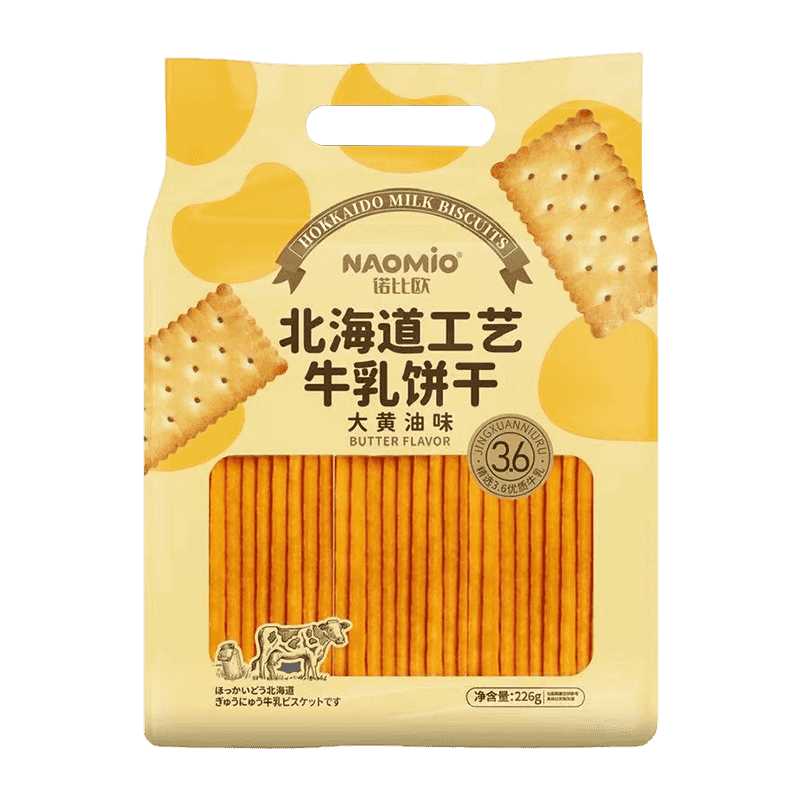
Milk butter coffee cookies are the most approachable of the three styles — softer in texture, slightly chewier, and more forgiving of minor technique variations. The standard milk butter (80% fat) creates a more tender, less crumbly result that holds up well when dipped in coffee or packed in a tin for gifting. Using a whole egg rather than just the yolk adds extra structure and a subtle richness.
- Prepare coffee mixture: Dissolve 2 teaspoons instant coffee in 1 tablespoon warm water. Allow to cool completely.
- Cream butter and sugar: Beat 140g softened milk butter with 70g caster sugar for 4–5 minutes until very light and fluffy. The longer creaming time incorporates more air, giving a slightly lighter texture than the natural butter version.
- Add egg and coffee: Beat in 1 whole egg at room temperature, then add the cooled coffee liquid and 1 teaspoon vanilla extract. Mix until smooth.
- Fold in flour mixture: Sift 210g flour, 15g cornstarch, and ¼ teaspoon salt. Fold gently into the butter mixture until just combined.
- Pipe or portion: This dough is softer than the other two — it's ideal for piping through a star-tip nozzle onto baking sheets (classic rosette shape), or dropping by rounded tablespoon for simple drop cookies. Chill piped cookies for 15 minutes before baking to help hold their shape.
- Bake: At 175°C (350°F) for 11–13 minutes. Look for lightly golden bottoms and edges that are just set. The higher temperature creates a slightly crispier exterior while keeping the center soft.
Flavor Variations and Add-Ins That Work Well
Once you've mastered the base recipe, these additions create distinct flavor profiles without changing the core technique:
Mocha Coffee Cookies
Add 15–20g (2–3 tablespoons) of Dutch-process cocoa powder to the flour in any of the three base recipes, reducing the flour by the same amount. Dutch-process cocoa has a smoother, less acidic flavor than natural cocoa and pairs beautifully with the bitterness of espresso.
Coffee Cardamom Biscuits
Add ½ teaspoon of ground cardamom to the latte biscuit recipe. This combination is inspired by Middle Eastern coffee traditions and produces a wonderfully aromatic, complex cookie. The cardamom amplifies the coffee's floral notes while the butter rounds out any sharpness.
Coffee and Brown Sugar Toffee Cookies
Replace half the caster sugar in the milk butter cookie recipe with dark brown sugar. The molasses in brown sugar creates a toffee-caramel undertone that is exceptional with coffee. Add a small pinch of flaky sea salt on top before baking to amplify both the sweet and bitter notes.
Coffee Hazelnut Shortbread
Replace 40g of flour with 40g of finely ground toasted hazelnuts in the natural butter coffee cookie recipe. Hazelnuts and coffee share aromatic compounds that make them a natural pairing — this combination also adds a slight nuttiness that rounds out the espresso sharpness.
Common Mistakes and How to Avoid Them
Even experienced bakers run into problems with coffee cookies. Here are the most frequent issues and their solutions:
| Problem |
Likely Cause |
Solution |
| Cookies spread too thin |
Butter too warm / dough not chilled |
Refrigerate dough 30–60 min before baking |
| Cookies are tough or hard |
Overmixing after flour added |
Fold flour in gently; stop as soon as combined |
| Coffee flavor too weak |
Stale coffee / underdosing |
Use fresh espresso powder; increase by 50% |
| Bitter, harsh coffee taste |
Undissolved granules / over-roasted coffee |
Dissolve coffee in warm liquid first; use medium roast |
| Cookies crack badly on surface |
Dough too dry / oven too hot |
Add 1 tsp milk to dough; lower oven by 10°C |
| Uneven browning |
Oven hot spots / dark baking tray |
Rotate tray halfway; use light-colored aluminum pan |
| Cookies stay soft after cooling |
Underbaked / too much liquid |
Bake 2 min longer; return to oven at 150°C for 5 min |
Table 2: Common coffee cookie problems, their causes, and practical fixes
Decorating and Finishing Ideas for Coffee Cookies
A well-made coffee cookie is beautiful on its own, but simple finishing touches elevate presentation significantly:
- Coffee glaze: Mix 80g powdered sugar with 1–2 teaspoons of strong brewed espresso until smooth. Drizzle or dip the tops of cooled cookies. Sets in about 20 minutes at room temperature.
- Dark chocolate dip: Melt 100g of 70% dark chocolate and dip the bottom half of each cookie. Place on parchment to set. The bitterness of dark chocolate with coffee butter is exceptional.
- Flaky sea salt: Sprinkle a few flakes of Maldon salt on the cookies immediately after baking while still hot. Salt suppresses perceived bitterness and intensifies the coffee aroma.
- Demerara sugar border: Before baking, press the edges of log-style cookies into coarse demerara sugar for a crunchy, sparkling edge and a subtle caramel crunch.
- Coffee buttercream sandwich: Pipe a small amount of espresso-flavored buttercream (100g butter + 180g powdered sugar + 1.5 tsp espresso powder, beaten together) between two cooled cookies for a café-style sandwich biscuit.
Storage, Shelf Life, and Make-Ahead Tips
Coffee cookies store exceptionally well, making them ideal for batch baking, gifting, and meal prep:
- Room temperature (airtight container): Baked cookies stay crisp and fresh for 10–14 days. Add a small piece of bread to the container to absorb any ambient moisture and prevent softening.
- Freeze baked cookies: Layer cooled cookies between sheets of parchment paper in a freezer-safe container. They keep for up to 3 months. Thaw at room temperature for 30 minutes, or warm in a 150°C oven for 5 minutes to restore crispness.
- Freeze unbaked dough logs: Wrap tightly in plastic wrap, then foil. Store in the freezer for up to 2 months. Slice directly from frozen (add 2–3 extra minutes to baking time) — this is the most convenient make-ahead method.
- Refrigerate dough: Prepared dough keeps in the refrigerator for up to 3 days, which also improves flavor as the coffee has more time to permeate the dough.
Note on humidity: Coffee butter cookies are moisture-sensitive. In humid climates, store with a food-safe silica gel packet in the tin. Cookies that have softened can almost always be rescued by returning them to a 150°C oven for 5–8 minutes and allowing them to cool completely before serving.

 English
 中文简体
中文简体 Español
 عربى
عربى


 2026.05.06
 Industry News