
 English
 中文简体
中文简体 Español
 عربى
عربى
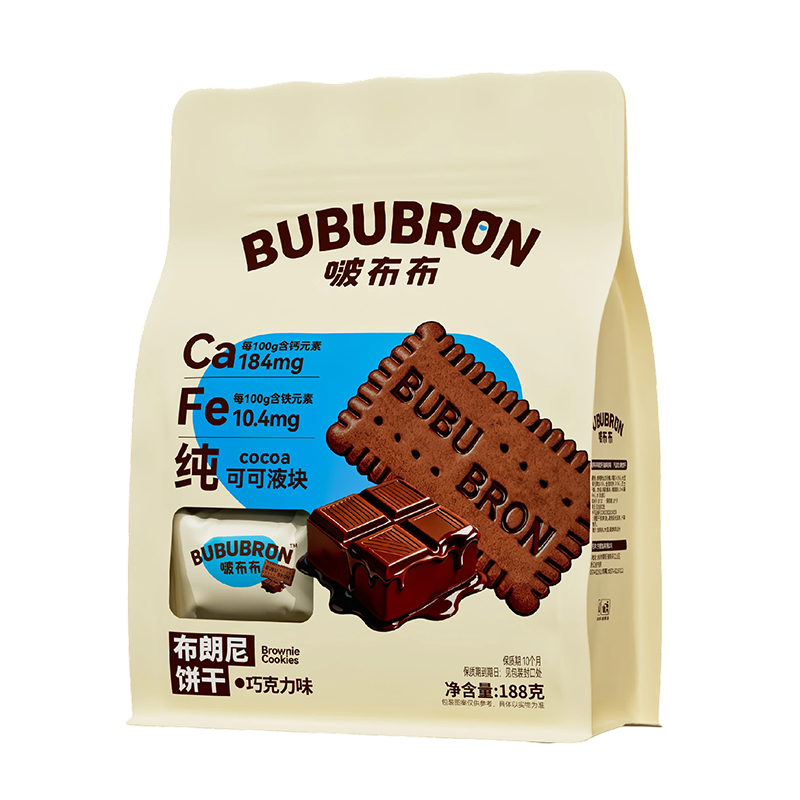

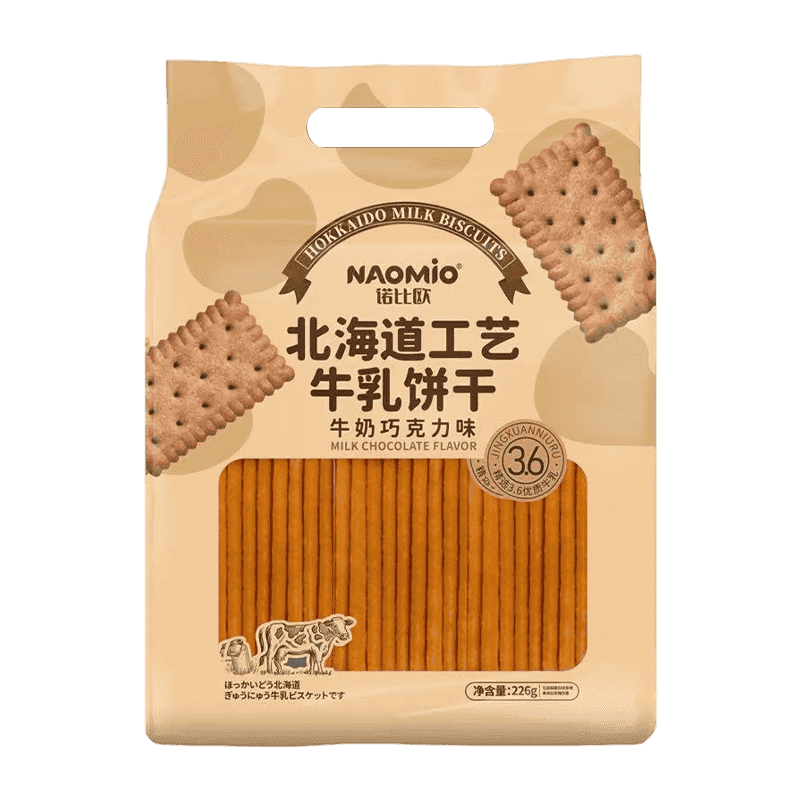
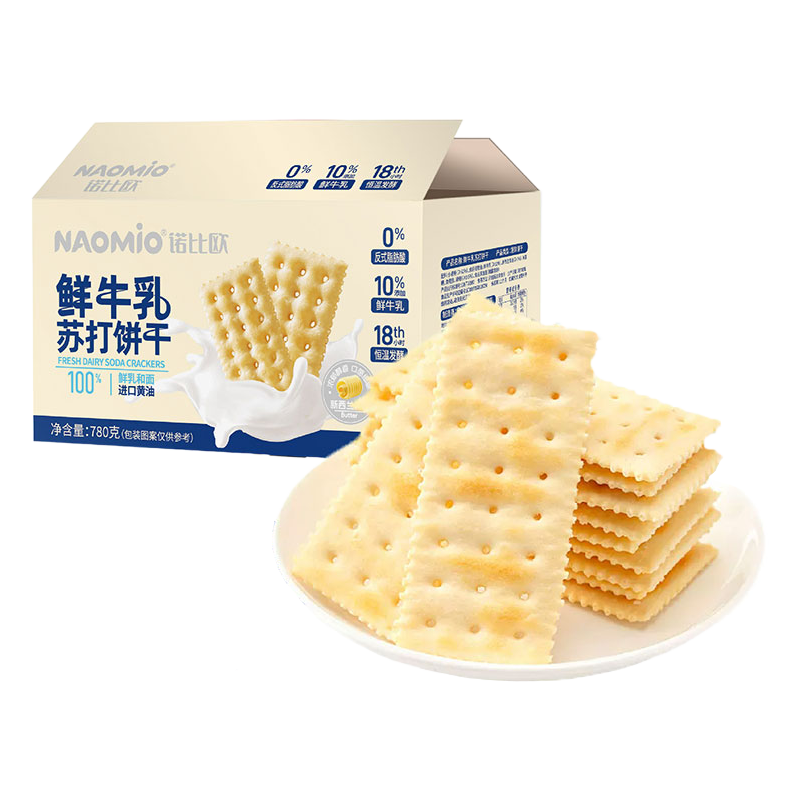
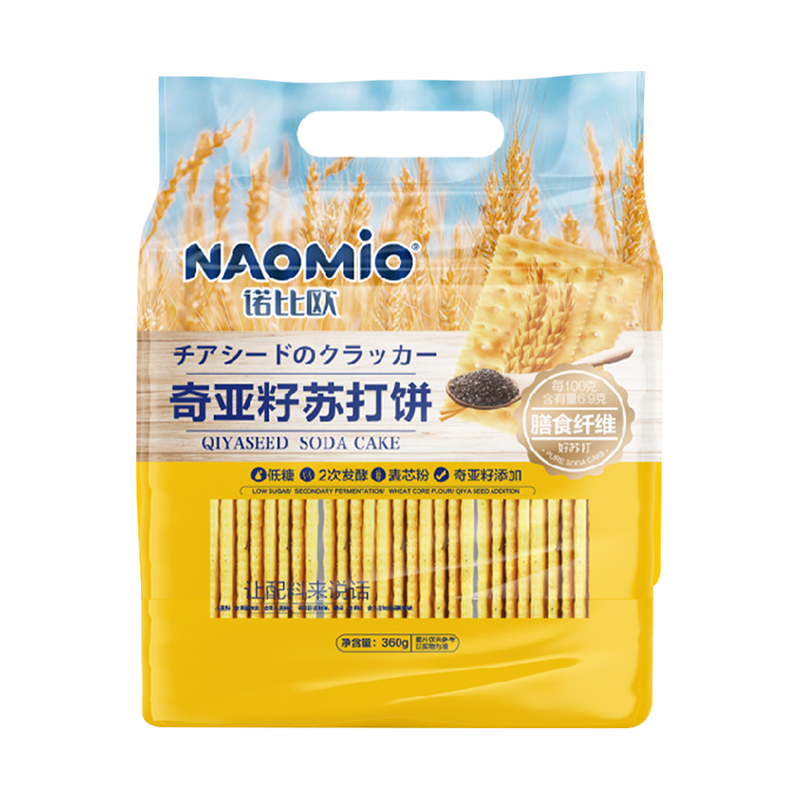
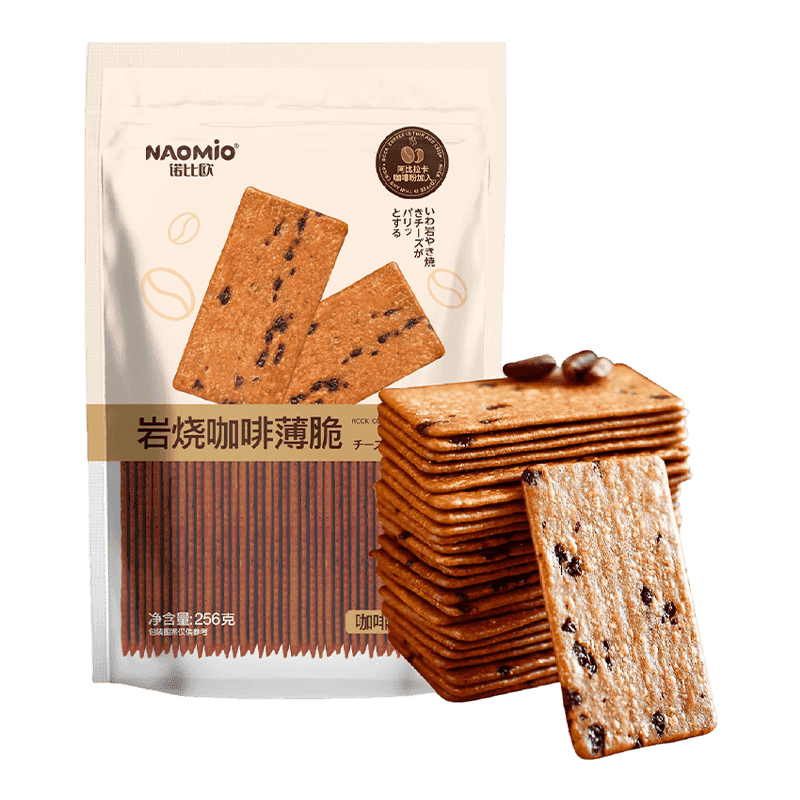
Yes, heart patients can eat biscuits — but the type, ingredients, and portion size matter enormously. Standard commercial biscuits loaded with refine...
READ MORE
 2026.08.05
 Industry News
Cocoa powder is one of the most versatile baking ingredients in any pantry. You can use it to make cookies, brownies, cakes, muffins, waffles, no-bake energy balls, chocolate tarts, hot cocoa mix, and even savory spice rubs — all from the same unsweetened powder. Its concentrated chocolate flavor means a small amount (2–4 tablespoons) can transform an otherwise plain batter into something deeply chocolatey without adding the fat and sugar that come with melted chocolate.
Among all cocoa powder bakes, chocolate brownie cookies stand out as the ideal starting point. They combine the fudgy interior of a classic brownie with the crisp edges of a cookie, and they're forgiving enough for beginner bakers while still satisfying to experienced ones. Better still, cocoa powder — particularly high-quality Dutch-process or fortified varieties — brings meaningful amounts of iron and magnesium to the table, making it one of the few baking ingredients that also adds nutritional value.
The type of cocoa powder you use changes both the flavor and the chemistry of what you're baking. Getting this right is one of the most commonly overlooked steps:
Made by pressing roasted cacao beans and grinding the remaining solids. It's acidic (pH 5–6), lighter in color, and produces a sharper, more fruity chocolate flavor. Because of its acidity, natural cocoa reacts with baking soda in recipes to create lift. Use it in recipes that specifically call for baking soda — like classic American chocolate cake and many cookie recipes.
Treated with an alkalizing agent to neutralize its acidity (pH 7–8). The result is a darker color, milder flavor, and richer, more rounded chocolate taste. Dutch-process does not react with baking soda, so recipes using it typically call for baking powder as the leavener. It's the preferred choice for chocolate brownie cookies, chocolate tarts, and any recipe where deep color and smooth flavor matter most.
| Type | pH Level | Flavor Profile | Leavener Needed | Best Used For |
|---|---|---|---|---|
| Natural | 5–6 | Sharp, fruity, lighter | Baking soda | Classic cakes, muffins, cookies with baking soda |
| Dutch-process | 7–8 | Deep, smooth, rich | Baking powder | Brownie cookies, tarts, dark chocolate cake |
| Black cocoa | 8+ | Intense, Oreo-like, bitter | Baking powder | Sandwich cookies, dramatic dark bakes |
Chocolate brownie cookies sit at the intersection of two beloved bakes. Getting the texture right — that signature crinkled top, shiny crust, and fudgy center — requires understanding a few specific techniques that differ from standard drop cookies.
Many brownie cookie recipes use a combination of melted chocolate and cocoa powder. Melted chocolate contributes fat, which creates the fudgy texture. Cocoa powder intensifies the chocolate flavor without adding extra sugar or moisture. Using ¼ cup (25g) of Dutch-process cocoa alongside 170g of melted dark chocolate produces a cookie with more complex flavor than either ingredient alone.
The crinkled, shiny top that defines a brownie cookie comes from beating eggs and sugar together vigorously — typically for 3–5 minutes — before adding anything else. This incorporates air and partially dissolves the sugar crystals. When the cookie bakes, the surface sets before the interior, causing the top to crack and crinkle as the inside continues to expand. Skipping this step produces a flat, matte cookie that lacks the signature appearance.
Standard cookies use more flour to create structure and chew. Brownie cookies need significantly less — typically ½ to ¾ cup (65–95g) of all-purpose flour for a batch yielding 16–18 cookies. More flour produces a cakey, drier result. Less flour keeps the center fudgy and dense in the way a brownie should be.
Brownie cookie dough is typically looser than standard cookie dough when first mixed. Refrigerating it for at least 30 minutes, or up to 24 hours, firms the fat, reduces spread in the oven, and concentrates the flavors. Well-chilled dough also holds its shape better when portioned, leading to a thicker, fudgier result.
This recipe is built around Dutch-process cocoa for depth of flavor and produces 16–18 cookies with a shiny crinkled top and fudgy center:
Cocoa powder already contains meaningful amounts of iron and magnesium — one tablespoon of unsweetened cocoa provides approximately 0.7mg of iron (about 4% of the daily recommended intake), rising to 3–4mg per 100g. But with intentional ingredient choices, you can bake cocoa-flavored cookies that deliver significantly more calcium and iron per serving without compromising on taste or texture.
Iron from plant sources (non-heme iron) is absorbed more efficiently when consumed alongside vitamin C. Adding 1–2 teaspoons of acerola cherry powder or ½ teaspoon of ascorbic acid to a cocoa cookie dough is tasteless at that quantity and can increase non-heme iron absorption by up to 3-fold, according to nutritional research. This is a simple, practical way to make iron-rich cookies meaningfully more bioavailable.
The table below compares approximate nutrient values per cookie between a standard chocolate brownie cookie and one made with iron- and calcium-boosting substitutions:
| Nutrient (per cookie) | Standard Brownie Cookie | High Ca & Fe Cocoa Cookie | % Daily Value Increase |
|---|---|---|---|
| Iron | ~0.8 mg | ~2.5 mg | +~9% DV |
| Calcium | ~20 mg | ~110 mg | +~9% DV |
| Protein | ~2 g | ~4 g | +~4% DV |
| Magnesium | ~15 mg | ~35 mg | +~5% DV |
| Calories | ~145 kcal | ~140 kcal | Comparable |
Beyond brownie cookies, cocoa powder works across a wide range of baked and no-bake items. Here's how it performs in each:
A classic. Using only cocoa powder (no melted chocolate) produces a chewier, slightly more intense brownie with a firmer texture. The standard ratio is ½ cup (50g) cocoa powder per 8-inch square pan. These are faster to make than chocolate-based brownies since there's no tempering or melting required.
Cocoa powder can replace up to half the melted chocolate in a lava cake recipe, reducing richness while maintaining the dark flavor. It also works in self-saucing chocolate puddings — where cocoa powder is stirred into the batter and a brown sugar–cocoa mixture is poured over the top before baking, creating a sauce under the cake.
Because cocoa powder adds no fat when used alone, it's ideal for fat-sensitive bakes like chiffon cakes. Adding 3–4 tablespoons of bloomed cocoa (cocoa mixed with hot water to a paste) to a standard chiffon batter creates a light, airy chocolate cake without the density that melted chocolate would introduce.
For a bake-free option, combining 2 tablespoons cocoa powder, 1 cup rolled oats, ½ cup peanut butter, 3 tablespoons honey, and a pinch of salt produces about 14 energy balls that require no oven at all. Refrigerate for 20 minutes to set. Each ball delivers around 1mg of iron from the oats and cocoa combined — making them a genuinely functional snack.
Unsweetened cocoa powder is an underused savory ingredient. Combined with smoked paprika, cumin, garlic powder, and brown sugar, it makes an outstanding dry rub for ribs and pulled pork. It also appears in classic Mexican mole sauces. The rule here is simple: use natural (not Dutch-process) cocoa in savory applications, as its higher acidity integrates better with spices and acidic ingredients like tomatoes.
A few recurring errors trip up cocoa-based baking more than others:
Content
Yes, heart patients can eat biscuits — but the type, ingredients, and portion size matter enormously. Standard commercial biscuits loaded with refine...
READ MOREWhat Milk Biscuits Are — The Direct Answer Milk biscuits are baked goods made with milk or milk-derived ingredients — most commonly whole milk, skimm...
READ MORENutritional biscuits are baked products specifically formulated or fortified to deliver meaningful amounts of protein, fiber, vitamins, or minerals —...
READ MOREWhat Cheese Is Good for Crackers? The best cheese for crackers depends on the cracker's flavor: mild, plain crackers (water crackers, saltines, butte...
READ MORE





No. 232 Xinxin Road, Xinxin Industrial Village, Langxia Street, Yuyao City, Zhejiang Province
+(86) 187-6812-9528
