
 English
 中文简体
 Español
 عربى



Quick Answer Latte flavor coffee biscuits work because they combine two comfort-food cravings — the roasted bitterness of espresso and the creamy swe...
READ MORE
 2026.10.27
 Industry News
If you have ever reached for a box of graham crackers to build a cheesecake crust, assemble a s'more, or pack a quick lunchbox snack, you have probably paused and asked yourself: how big is a graham cracker, exactly? It sounds like a simple question, but the answer shapes recipe measurements, serving sizes, and even the way the crackers break along their perforated lines. A few millimeters of difference can turn a firm crust into a crumbly mess, or turn a neatly stacked snack into an awkward handful. Understanding the standard dimensions of this beloved snack can save you from lopsided desserts and help you portion snacks more accurately.
In the United States, the most widely recognized graham cracker format is the full rectangular sheet. A standard full sheet measures about 4.5 inches long and 2.5 inches wide, with a thickness of roughly 2 to 3 millimeters. In metric terms, that is approximately 11.4 centimeters by 6.4 centimeters. If you have ever opened a package and found the familiar perforated grid, this is the sheet behind that design.
Most national brands score each full sheet into four smaller rectangles, which means a single scored piece is about 2.25 by 2.5 inches. Some specialty brands divide the sheet into two square portions instead. When a recipe calls for "one graham cracker," it almost always refers to one full sheet, not one of the four small squares. This small detail is one of the most common points of confusion in home baking.
To make the numbers easier to reference, here is a quick breakdown of the typical measurements found in commercially produced graham crackers.
| Measurement | Typical Value | Notes |
|---|---|---|
| Length | 4.5 in / 11.4 cm | Scoring divides this into four pieces |
| Width | 2.5 in / 6.4 cm | Consistent across most major brands |
| Thickness | 2-3 mm | Whole wheat versions may be slightly thicker |
| Weight | 14-15 g | One full sheet before crushing |
| Calories | 60-65 kcal | Varies with honey and sugar content |
These values apply to the classic honey-flavored graham cracker. If you are working with a specialty or artisanal version, the numbers can shift noticeably.
Not all graham crackers are created equal. While the classic format has set the baseline, store brands and premium producers often adjust the dimensions to achieve a particular texture. Some are wider and thinner, which helps them stay extra crisp. Others are thicker and slightly smaller in area, giving them a denser, more substantial bite. Organic and whole-grain varieties tend to weigh more per sheet because they retain additional bran and fiber.
Mini graham crackers are a completely different format. These small squares or ovals are popular for snacking and for topping yogurt, but they should never be substituted 1:1 for full sheets in baking. If a crust recipe calls for ten full sheets, using the same number of minis will leave you with a loose, unworkable crust because the total weight and surface area are far too low.
Understanding this variation matters because it affects not just the visual outcome but also texture and flavor absorption. A thicker cracker absorbs less melted butter in a crust and takes longer to soften in milk. A thinner cracker crumbles easily, which is helpful for coatings and toppings. The right choice depends on how you plan to use it.
Graham crackers are a cornerstone of no-bake desserts. Classic s'mores rely on the full sheet as a sturdy base that fits neatly over a chocolate bar, and cheesecake crusts typically call for a specific number of full sheets, finely crushed. When the size of the sheets changes, the dry-to-wet ratio of your crust changes with it. Too little crumb means a crumbly, falling-apart base; too much can make the crust dense and hard.
Knowing the dimensions also helps with portion control. A single full sheet is a reasonable snack portion for both adults and children, and the scored lines make it easy to split into smaller bites. Weighing a sheet is even more useful than measuring it, especially if you are tracking intake. At roughly 14 to 15 grams per sheet, four sheets bring you close to a 60-gram serving, which is the reference portion commonly used for baked snacks.
This same portion awareness extends far beyond graham crackers. Whether you are choosing a lunchbox snack, counting crackers to match a nutrition goal, or measuring crumbs for a dessert base, knowing the size and weight of what you are eating makes everything more predictable. If you are curious about how soda crackers compare in nutritional terms, our guide to sugar-free and low-sodium options covers the key facts. It is practical knowledge that separates a confident baker from an improviser.
As a professional biscuit manufacturer, we think about cracker size and portion consistency every day. While graham crackers are a beloved Western classic, the same principles of uniform dimensions, reliable weight, and crisp texture guide the crackers we produce at our facility in Ningbo. Our thin crispy biscuits, for example, are baked to a consistent thinness that makes them ideal for layering with dips, topping with cheese, or enjoying as a light snack on their own.
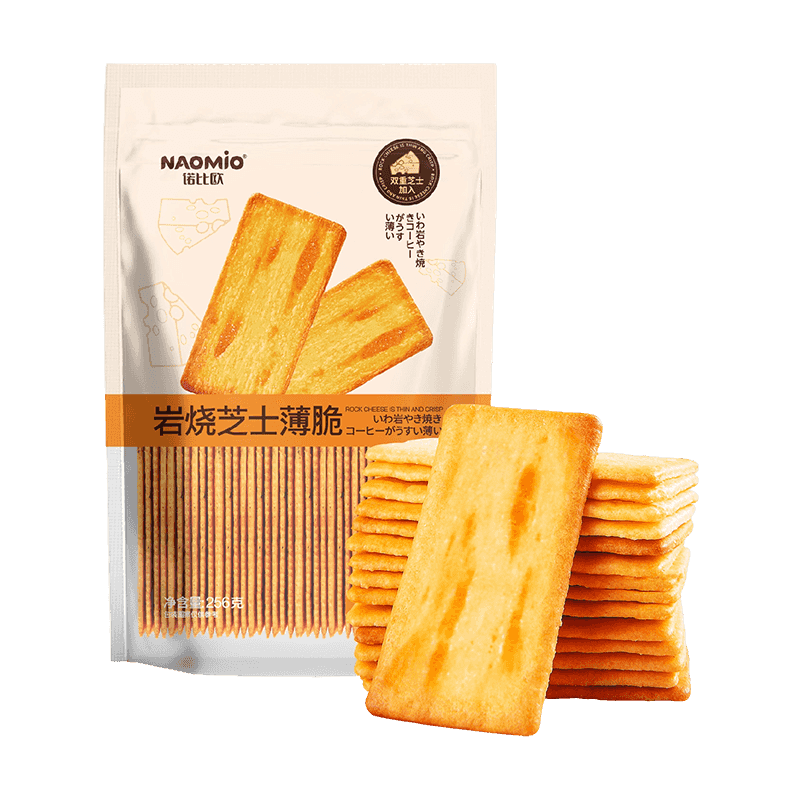 Rock-Baked Cheese Crisps for Consistent Thinness and CrunchA thin, crispy cheese biscuit made with imported cheese and a unique rock-baking process, perfect for layering with dips or topping with cheese.View Product →
For those who prefer a softer bite, our butter-flavor milk biscuits offer a tender crumb that works beautifully as a breakfast side or an afternoon treat with tea. And if you are mindful of sugar intake, our chia seed soda crackers provide a lighter, less sweet alternative with a satisfying crunch and a subtle nutty note from chia seeds.
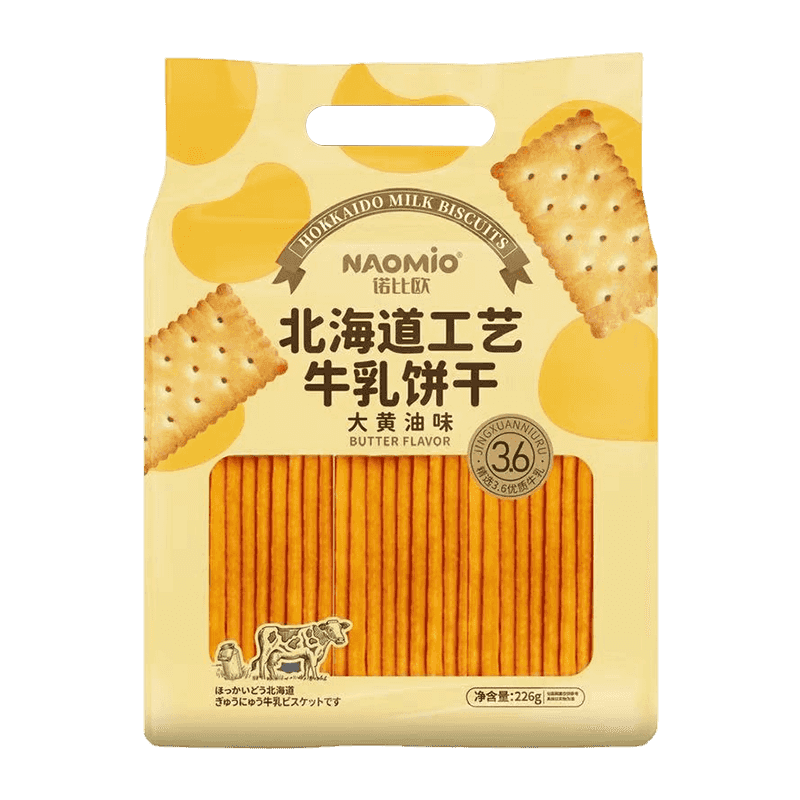 Butter-Flavor Milk Biscuits with Rich Milky AromaTender-crumb biscuits made with imported New Zealand butter and fresh milk, offering a softer bite ideal for breakfast or afternoon tea.View Product →
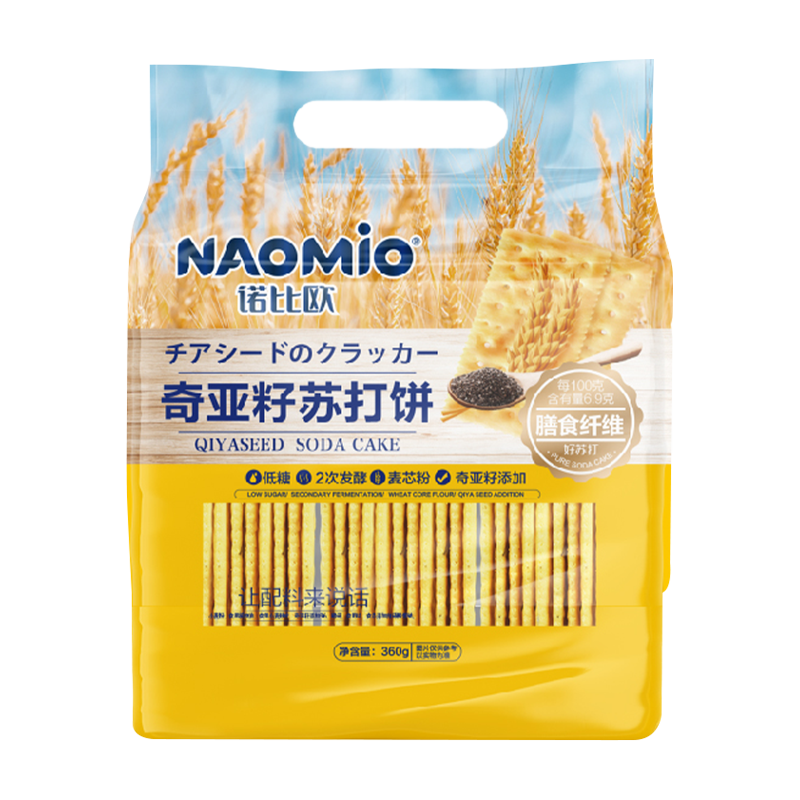 Chia Seed Soda Crackers for a Healthier CrunchNaturally fermented, sugar-free crackers with added chia seeds and no trans fats, providing a light, nutty alternative for mindful snacking.View Product →
All of these products reflect the same principle that makes graham crackers so dependable in the kitchen: a well-made cracker should be consistent in size and weight, batch after batch. That consistency is what keeps recipes reliable and snacking predictable. With four production lines and an annual biscuit output of more than 10,000 tons, we are committed to delivering that reliability at scale. If you would like to explore how our range fits into your kitchen or your business, we invite you to browse the full collection at our website.
If a recipe calls for crushed graham crackers and you only have whole sheets on hand, the following equivalents are helpful to remember:
These conversions assume standard-size sheets. If your crackers come from a brand with a different footprint, weigh the crumbs instead of counting sheets, and you will stay on track.
Size might seem like the smallest detail in baking, but a full sheet of graham cracker is really a carefully calibrated unit. Once you know its dimensions, weight, and how it responds in recipes, you can measure with confidence, snack with intention, and bake without second-guessing. Whether you are making a holiday cheesecake or simply packing a few crackers for the road, that knowledge turns a simple pantry staple into a precision ingredient.
Quick Answer Latte flavor coffee biscuits work because they combine two comfort-food cravings — the roasted bitterness of espresso and the creamy swe...
READ MORENingbo Qibao Food Co., Ltd. is participating in the Fispal Food Service exhibition in São Paulo, Brazil (Booth G128A), showcasing its leading food pro...
READ MOREPeanut butter crackers are one of those snacks that seem simple until you start counting. A single cracker, a little sandwich pack, or a handful with...
READ MOREAt our biscuit factory in Ningbo, we've spent more than two decades making crackers of many shapes and flavors. One thing we've learned is that even ...
READ MORE





No. 232 Xinxin Road, Xinxin Industrial Village, Langxia Street, Yuyao City, Zhejiang Province
+(86) 187-6812-9528
