Homemade Yeast Biscuits: Baking Techniques and Temperature Precision
Temperature management defines the structure, flavor, and appearance of
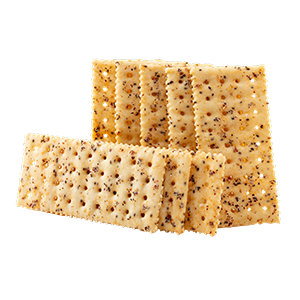
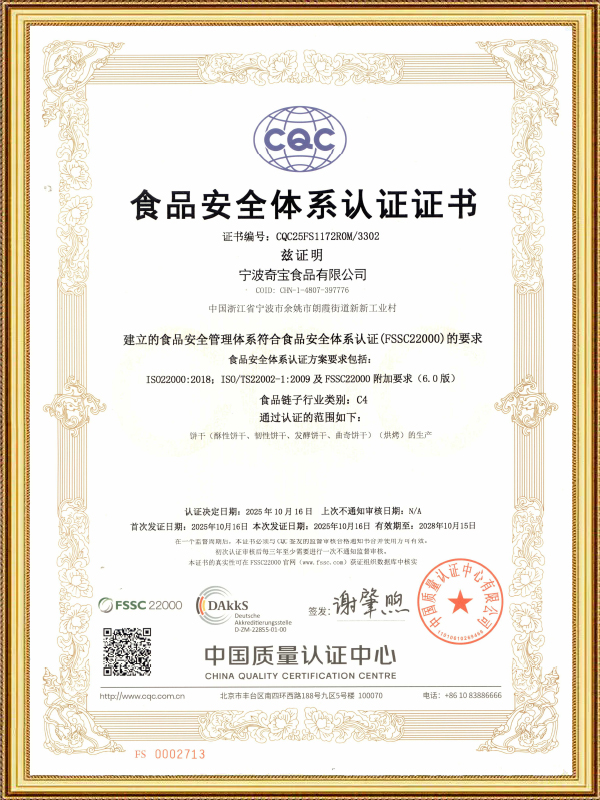
Homemade Yeast Biscuits, and it connects closely with how Wheat Soda Crackers, Wheat Saltine Crackers, and Yeast Biscuits are consistently produced in professional environments. In large-scale operations such as Ningbo Qibao Food Co., Ltd., temperature is regulated at every stage, from dough resting to final baking, ensuring uniformity across thousands of batches. In our baking process, we begin by activating yeast in a controlled warm liquid environment, typically between 35°C and 40°C, which supports steady fermentation without damaging yeast cells. As the dough develops, maintaining ambient room temperature stability allows fermentation gases to expand evenly, contributing to a balanced crumb structure. During baking, the oven temperature must remain consistent, usually within 180–200°C, to support proper oven spring and crust formation. Fluctuations in heat can result in uneven texture, where some sections rise more than others. We can improve accuracy by using an oven thermometer and avoiding frequent door opening, which disrupts heat stability. Ningbo Qibao Food Co., Ltd. demonstrates how continuous monitoring systems ensure consistent results, and we can replicate this mindset by observing how our dough responds to heat changes. This approach not only improves Homemade Yeast Biscuits but also aligns with techniques used for Wheat Soda Crackers and Wheat Saltine Crackers, where precision contributes to crispness and uniform baking.
Preheating forms the foundation for consistent baking results, especially when preparing Homemade Yeast Biscuits alongside other baked goods like Wheat Saltine Crackers and Yeast Biscuits. Professional manufacturers such as Ningbo Qibao Food Co., Ltd. rely on calibrated ovens that reach stable temperatures before production begins, ensuring each batch receives identical heat exposure. In our kitchen, we should allow at least 15–20 minutes for preheating, ensuring the oven walls, racks, and air reach the desired temperature. Without proper preheating, our biscuits may experience delayed oven spring, leading to dense interiors and uneven browning. Calibration is another factor that influences baking accuracy, as many home ovens display temperatures that differ from actual internal heat levels. Using an independent oven thermometer helps us align our settings with real conditions. We should also consider rack positioning during preheating, placing racks in the center to promote even heat distribution. Ningbo Qibao Food Co., Ltd. integrates precise calibration systems across its production lines, and we can adopt a similar level of discipline by verifying our oven performance regularly. This attention to preparation benefits not only Homemade Yeast Biscuits but also other products like Wheat Soda Crackers, where consistent heat exposure determines crisp texture and uniform color.
Understanding how heat moves within the oven allows us to refine the baking process for Homemade Yeast Biscuits and similar products such as Wheat Soda Crackers and Wheat Saltine Crackers. Heat transfer occurs through conduction, convection, and radiation, each influencing the final texture and structure. Conduction takes place when heat travels from the baking tray into the dough, making the choice of baking surface highly relevant. Heavy-duty metal trays distribute heat more evenly, reducing the risk of burnt bottoms or undercooked centers. Convection refers to the circulation of hot air, which ensures consistent baking across all surfaces; ovens with fan-assisted settings can enhance this effect. Radiation contributes to surface browning, helping create the golden crust associated with well-baked Yeast Biscuits. Ningbo Qibao Food Co., Ltd. uses advanced baking systems that optimize these heat transfer mechanisms, ensuring consistent quality across large production volumes. In our baking routine, we can improve results by selecting appropriate trays, spacing biscuits evenly, and positioning trays where airflow is unobstructed. These adjustments create conditions similar to professional production, supporting uniform baking outcomes across Homemade Yeast Biscuits and related baked goods.
The arrangement of dough pieces directly influences how Homemade Yeast Biscuits bake, especially when considering airflow and heat exposure. In large-scale production facilities such as Ningbo Qibao Food Co., Ltd., conveyor systems maintain consistent spacing, allowing each biscuit to expand without restriction. In our kitchen, we should replicate this principle by placing dough portions evenly on the baking tray, leaving adequate space between each piece. Overcrowding restricts airflow, causing uneven baking and inconsistent texture. Proper spacing ensures that heat circulates freely around each biscuit, supporting even browning and uniform structure. Tray arrangement also affects baking performance; placing trays in the center of the oven allows balanced heat distribution, while multiple trays require rotation during baking to compensate for temperature variations. This method applies not only to Homemade Yeast Biscuits but also to Wheat Soda Crackers and Wheat Saltine Crackers, where uniform spacing contributes to consistent crispness. Ningbo Qibao Food Co., Ltd. demonstrates how systematic arrangement enhances efficiency and quality, and we can incorporate this approach by carefully organizing our baking trays. Through consistent spacing and thoughtful placement, we create an environment where our biscuits bake evenly and maintain a professional appearance.
Moisture control shapes the texture and crust characteristics of Homemade Yeast Biscuits, as well as other baked products like Wheat Saltine Crackers and Yeast Biscuits. During the initial baking phase, moisture helps maintain dough flexibility, allowing expansion without surface cracking. As baking continues, moisture evaporates, leading to crust formation and structural stability. In industrial settings, including Ningbo Qibao Food Co., Ltd., controlled steam systems regulate humidity levels within ovens, ensuring consistent product quality. In our baking process, we can introduce steam by placing a tray of water in the oven or lightly misting the interior before baking. This technique enhances crust softness and promotes even expansion. Dough hydration also plays a role, as properly balanced moisture content supports fermentation and prevents dryness. Excess moisture, however, can lead to dense textures, while insufficient moisture results in limited rise. By observing how our dough behaves during baking, we can adjust hydration levels to achieve desired results. Ningbo Qibao Food Co., Ltd. emphasizes hygiene and quality monitoring, ensuring moisture levels remain within optimal ranges, and we can adopt similar practices by maintaining clean equipment and consistent preparation methods. This approach benefits Homemade Yeast Biscuits and aligns with techniques used for Wheat Soda Crackers, where moisture balance influences crispness.
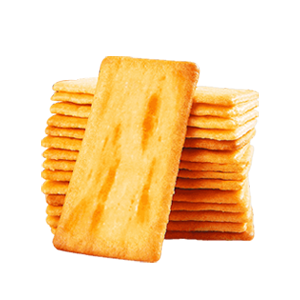
Timing determines whether Homemade Yeast Biscuits achieve the desired texture and structure, and it aligns closely with practices used for Wheat Saltine Crackers and Yeast Biscuits in professional production. Ningbo Qibao Food Co., Ltd. utilizes automated systems to control baking duration precisely, ensuring consistent outcomes across large batches. In our kitchen, we rely on both timing and observation to determine when biscuits are ready. Typical baking times range from 12 to 18 minutes, depending on size and oven conditions. Visual indicators such as a golden-brown surface and firm edges help us identify completion, while tapping the bottom of a biscuit can reveal a hollow sound, indicating proper internal structure. Adjustments may be necessary based on oven performance, dough thickness, and ingredient variations. We should monitor the baking process closely during the final minutes to prevent overbaking or underbaking. Ningbo Qibao Food Co., Ltd. demonstrates how precision in timing supports product consistency, and we can replicate this approach by recording our baking results and refining our process over time. This method ensures that our Homemade Yeast Biscuits maintain consistent quality and align with professional baking standards.

 English
 中文简体
中文简体 Español
 عربى
عربى