
 English
 中文简体
中文简体 Español
 عربى
عربى
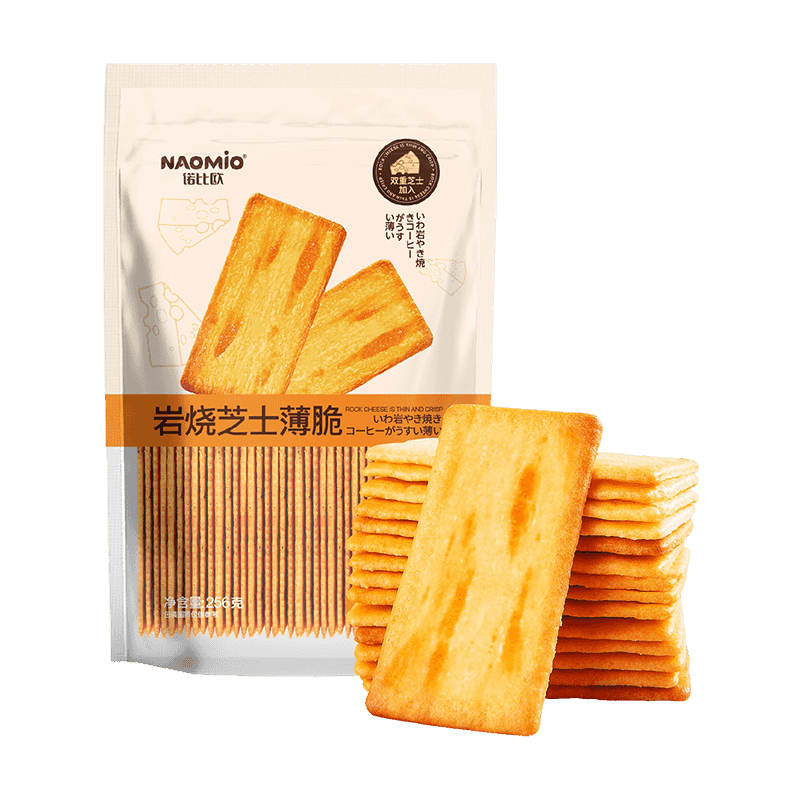
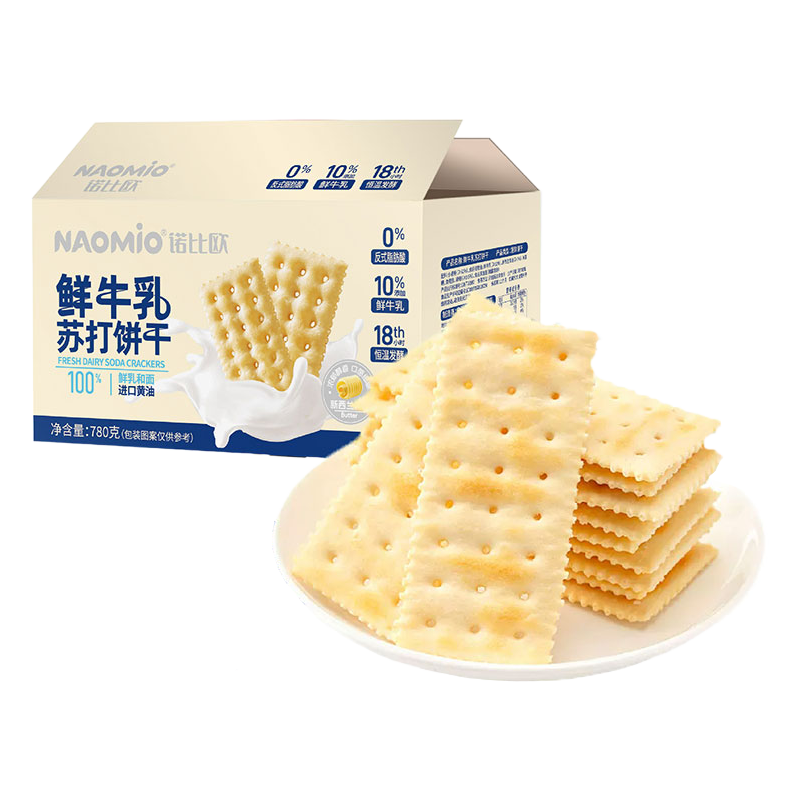
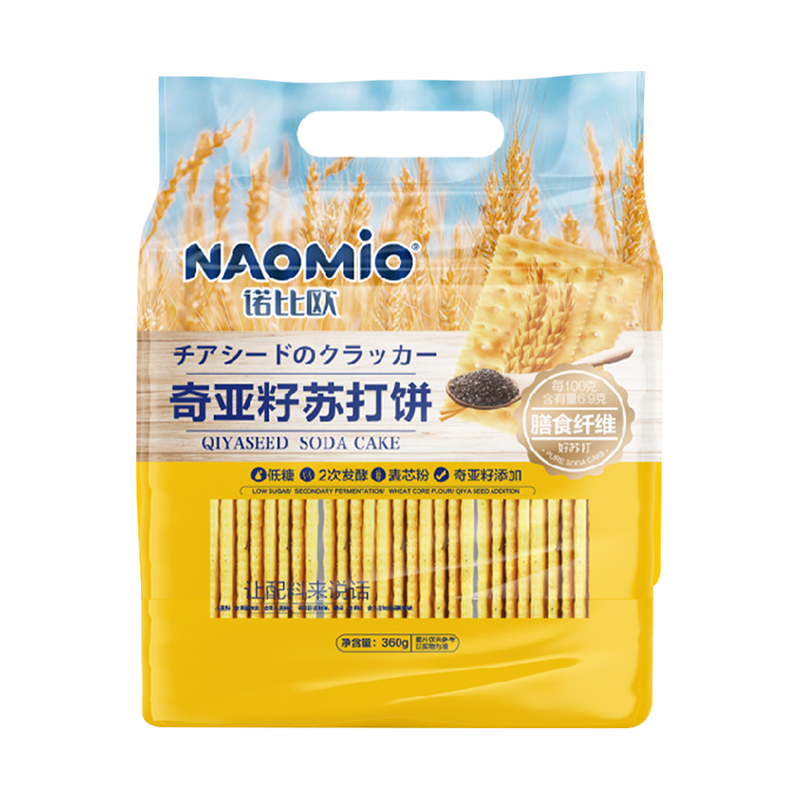
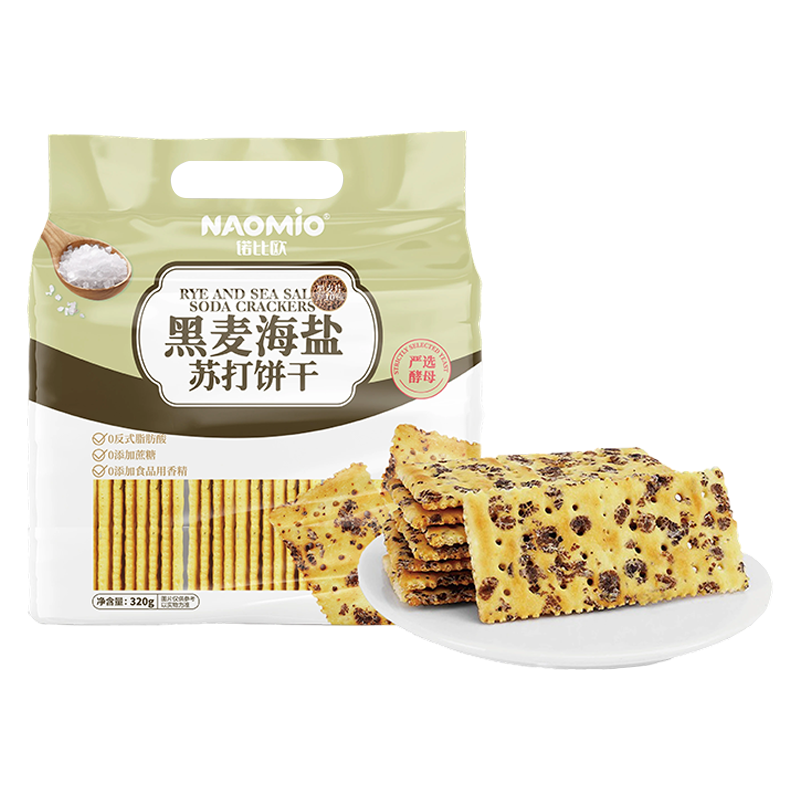
What Milk Biscuits Are — The Direct Answer Milk biscuits are baked goods made with milk or milk-derived ingredients — most commonly whole milk, skimm...
READ MORE
 2026.07.08
 Industry News
The best cheese for crackers depends on the cracker's flavor: mild, plain crackers (water crackers, saltines, butter crackers) pair well with almost any cheese, while bold crackers need a cheese that can hold its own. As a reliable starting point, sharp cheddar, brie, goat cheese, and Gouda are the four most versatile options — they cover a range of textures and intensities that work with the crackers most people already have in the pantry.
The single rule that guides almost every good pairing is this: the stronger the cheese, the milder the cracker should be, and vice versa. A pungent blue cheese needs a neutral, crisp vehicle so its flavor isn't fighting for attention. A very plain cracker, on the other hand, can support a bolder cheese because it isn't competing with its own seasoning. Once that balance is in place, texture and moisture level are the next things to match.
Cheese falls into a few broad categories — soft-ripened, semi-soft, firm, aged/hard, and blue — and each one behaves differently on a cracker. Matching the right category to the right cracker style is the fastest way to build a cheese board that actually works, rather than guessing at random combinations.
These cheeses have a delicate, creamy flavor that's easy to overpower. Triple cream and soft rind cheeses like brie, camembert, and Comté pair best with water crackers, crostini, or butter crackers when the goal is to let the cheese shine, or with a fruit or seeded cracker when a sweet or savory contrast is wanted instead.
Fresh goat cheese and herbed spreads like Boursin are full of flavor on their own, so they do best paired with something quiet. Herbed cheeses such as Boursin and dill Havarti pair well with mild crackers like flatbreads, wafer crackers, and crostini because a busy cracker would clash with the herbs already in the cheese.
Aged cheeses like Parmigiano Reggiano, Gouda, and Manchego pair well with multigrain, whole wheat, and seeded crackers, because the nuttiness of the seeds complements the nuttiness already present in these aged cheeses. This is one of the few cases where matching similar flavor notes — rather than contrasting them — produces the better result.
Sharp cheeses like cheddar pair well with butter crackers, such as club crackers and Ritz, because the buttery richness contrasts nicely against the sharpness of the cheese. This is also the pairing most people already know instinctively, since it shows up on nearly every casual snack tray.
Stinky cheeses like blue and Limburger pair well with neutral flavors such as water crackers and wafer crackers, since the cheese's own flavor is already so strong — though a sweet, fruited cracker can also work as an intentional contrast to the tanginess.
For a quick reference when building a cheese board or shopping for a snack, this chart maps common cheese styles to the cracker types that consistently work well with them.
| Cheese Style | Example Cheeses | Best Cracker Match |
|---|---|---|
| Soft-ripened | Brie, Camembert | Water crackers, butter crackers |
| Fresh/herbed | Goat cheese, Boursin | Flatbread, wafer crackers |
| Aged/hard | Parmigiano, Gouda, Manchego | Multigrain, seeded crackers |
| Sharp | Cheddar, Pepper Jack | Butter crackers (Ritz, club) |
| Blue/pungent | Blue cheese, Gorgonzola | Water crackers, fruit crackers |
If only one cracker can be stocked, a plain, thin wafer cracker is the safest choice, because it stays out of the cheese's way rather than competing with it. Cheese professionals repeatedly point to simple, light, airy wafer crackers as the pairing that lets a cheese express its natural flavor without interference — some are even dusted with a touch of cheese powder specifically to enhance the umami character of whatever cheese sits on top. Thin crisps are also favored because they add crunch without filling someone up on cracker before the cheese flavor comes through, which matters most when serving several cheeses in one sitting.
For a slightly heartier all-purpose option, thick, mildly sweet whole wheat crackers are another widely recommended choice, valued for their sturdy, biscuit-like texture that holds up well under strong cheddars and blue cheeses alike.
Beyond the general category rules, a few specific combinations show up again and again as favorites among people who build cheese boards regularly. These are worth trying as a starting point before branching out into more adventurous pairings.
It's worth separating two different things that both fall under "cheese and crackers": pairing real cheese with a plain cracker (covered above), and reaching for a snack that's already cheese-flavored — where cheese is baked directly into the cracker dough itself rather than served on top. This category includes well-known commercial brands such as Cheez-It, Goldfish, Better Cheddars, and the now-discontinued Cheese Nips, all of which use cheese as a primary ingredient mixed into the cracker itself rather than as a topping.
Original Cheez-It crackers, for example, are made with real cheese (cheese made with skim milk), enriched flour, and vegetable oil, with the cheese providing both flavor and part of the cracker's signature color. That said, cheese is not always the dominant ingredient by weight — in Cheez-Its, flour and oil actually outweigh the cheese, while Goldfish crackers list cheese immediately after flour, ahead of oil. The practical takeaway: cheese-flavored crackers are genuinely made with real cheese in most major brands, but they're a snack food built around a cheesy flavor profile, not a substitute for pairing a proper cheese with a plain cracker on a cheese board.
| Brand | Cheese Used | Flavor Profile |
|---|---|---|
| Cheez-It Original | Skim milk cheese | Baked-in, moderately salty |
| Goldfish Cheddar | Cheddar | Light, airy texture, mild cheese |
| Better Cheddars | Cheddar | Strong, distinct cheese flavor |
| Ritz Cheese Nibs | Cheddar-style | Sharp cheddar, lingering saltiness |
Following these steps consistently produces a board where every pairing feels intentional, rather than one where a handful of combinations happen to work by chance while others go untouched.
What Milk Biscuits Are — The Direct Answer Milk biscuits are baked goods made with milk or milk-derived ingredients — most commonly whole milk, skimm...
READ MOREWhat Are Sugar-Free Soda Crackers? Understanding the Definition of Sugar-Free Soda Crackers Sugar-free soda crackers are a type of crisp, dry biscuit ...
READ MOREThe Short Answer: Saltine Crackers Are Not Ideal for Diabetics Saltine crackers — including standard soda crackers and most yeast biscuits — are not ...
READ MOREWhat Is a Milk Biscuit? The Direct Answer A milk biscuit is a baked good made with milk — or milk-derived ingredients such as condensed milk, powdere...
READ MORE





No. 232 Xinxin Road, Xinxin Industrial Village, Langxia Street, Yuyao City, Zhejiang Province
+(86) 187-6812-9528
