
 English
 中文简体
 Español
 عربى

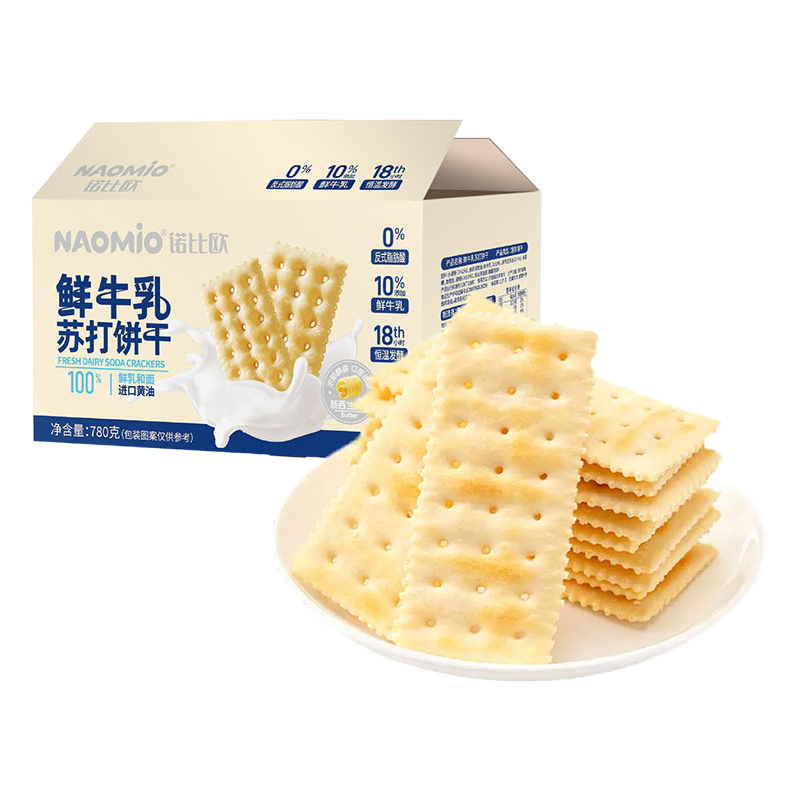
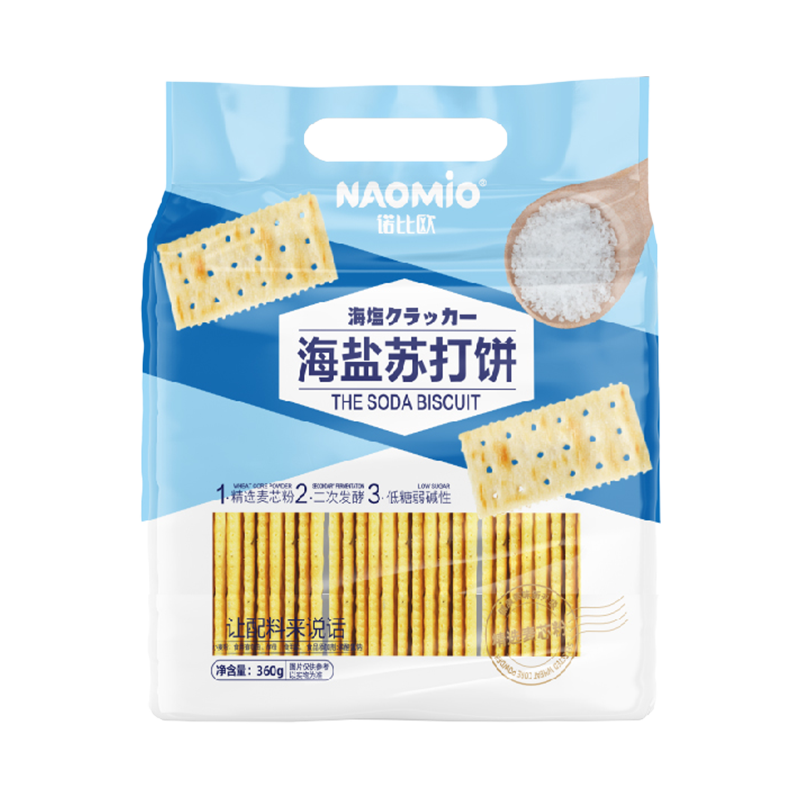
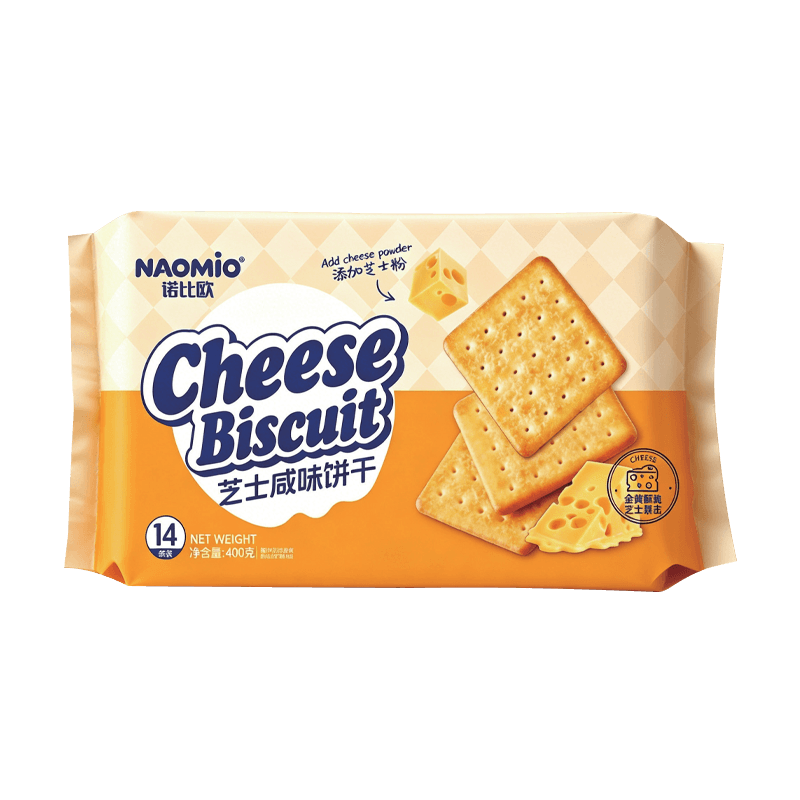
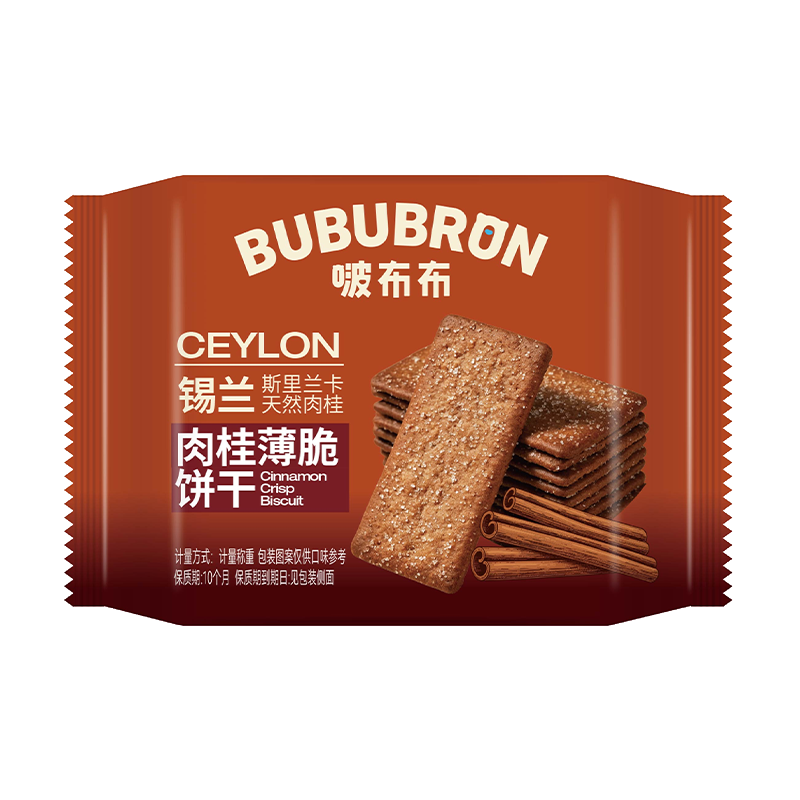
Your stomach is queasy, the soup is hot, and the clock says it is too early for dinner. You reach for a sleeve of soda crackers almost without thinki...
READ MORE
 2026.11.02
 Industry News
It is a question we hear often, and as a biscuit manufacturer with more than two decades of experience, we appreciate why people ask it. Crackers sit somewhere between a snack and a staple, familiar enough to appear in lunchboxes and cheese boards, yet puzzling when it comes to nutrition. The short answer? Some crackers are genuinely healthy, while others are closer to cookies in disguise. The longer answer is about learning to tell the difference, and that is exactly what we will walk through here.
A healthy cracker is not defined by any single ingredient. It is the overall nutritional profile that matters: the type of flour, the fiber content, the amount of sodium and sugar, and the fats used in baking. Let us break these down one by one.
The first thing to check is the grain. Crackers made from whole wheat, oats, rye, or other whole grains retain the bran and the germ, which means more fiber, B vitamins, and minerals. Fiber slows digestion, keeps you fuller for longer, and helps steady blood sugar. A refined white flour cracker, by contrast, delivers a quick burst of energy but little nutritional staying power.
Salt is essential for flavor and dough handling, but many crackers carry more sodium than people expect. Some plain-looking varieties exceed 400 milligrams per serving, which adds up quickly if you eat them daily. As a general guide, look for crackers with no more than 150 to 200 milligrams of sodium per serving, especially if you plan to top them with cheese or cured meats.
You would not expect crackers to be sweet, yet sugar finds its way into many recipes under names like cane syrup, maltose, honey, or fruit juice concentrate. A savory cracker should not need added sugar at all, and a genuinely healthy cracker should list sugar near the bottom of the ingredient panel, if it appears at all.
Fat is not the enemy. In fact, a little fat helps crackers crisp up and makes them satisfying. The issue is the type of fat. Crackers baked with vegetable oils such as canola or sunflower oil are generally fine in moderation. Hydrogenated oils or heavy palm oil blends may signal a cheaper recipe with higher saturated fat. And crackers that advertise a "buttery" taste are often coated with butter or butter flavor, which adds saturated fat and calories.
Not all crackers are created equal, and knowing the typical characteristics of each style helps you make quicker decisions in the aisle. The table below summarizes what we see across common categories when we evaluate them for health.
| Cracker Type | Fiber | Sodium | Sugar | Overall |
|---|---|---|---|---|
| Whole grain or rye | High | Moderate | Low | Very good choice |
| Plain soda crackers | Low to moderate | Moderate to high | Low | Depends on brand |
| Sugar-free or low-sugar soda | Depends on flour | Often high | Minimal | Good when whole-grain based |
| Butter or cheese crackers | Low | High | Low to moderate | Treat, not staple |
| Rice or corn thins | Low | Low | Low | Light but less filling |
Ingredients are listed in descending order of weight, so the first two or three ingredients tell you most of the story. In our own bakery, we know that a cracker's identity is set the moment the flour is chosen. For shoppers, a quick scan of the ingredient panel reveals whether a cracker is built on whole grains or mostly refined starch.
Even the healthiest cracker can become a less healthy habit when portion control goes out the window. Crackers are calorie-dense for their volume, precisely because they are baked and dehydrated. A sensible handful, not an entire sleeve, is the right unit of snacking.
Pairing also matters. Crackers with protein and produce make a more balanced mini-meal than crackers eaten alone. Think hummus and cucumber slices, a thin layer of peanut butter, or turkey and tomato. The crackers become the vehicle, not the entire show.
We have been baking crackers since 2000, and we have seen consumer preferences shift dramatically. Twenty years ago, few people checked sodium levels on a cracker package. Today, shoppers routinely flip the pack over before buying, and we consider that a positive change. It pushes us to think carefully about every recipe, whether it is a sugar-free soda cracker, a low-sugar variety with seeds, or a cheese-flavored snack that should remain an occasional treat.
The honest truth is that crackers are a blank canvas. They can be exceptionally healthy when made with whole grains, minimal sodium, no added sugar, and a modest amount of good fat. They can also be nutritionally poor when made with refined flour, excessive salt, and cheap oils. The difference is not "healthy vs. crackers". It is "good crackers vs. not-so-good crackers". Our advice? Take a few extra seconds to read the label, choose crackers that align with your health goals, and enjoy them without guilt.
So how healthy are crackers? The answer is in your hands, literally, when you pick up the package. A cracker made from oats, sunflower seeds, and a whisper of sea salt can be a genuinely nutritious snack. One made from white flour, hydrogenated oil, and artificial flavors? Not so much. By learning to spot the difference, you can keep crackers in your pantry with confidence.
Your stomach is queasy, the soup is hot, and the clock says it is too early for dinner. You reach for a sleeve of soda crackers almost without thinki...
READ MOREWhat Are Yeast Biscuits and How Do They Differ from Conventional Crackers? Yeast biscuits are a category of baked cracker or biscuit in which live yea...
READ MOREAt first glance, a soda cracker seems almost too simple to deserve a factory tour. It is a thin, square, lightly salted wafer that snaps cleanly when...
READ MOREWhat Milk Biscuits Are — The Direct Answer Milk biscuits are baked goods made with milk or milk-derived ingredients — most commonly whole milk, skimm...
READ MORE





No. 232 Xinxin Road, Xinxin Industrial Village, Langxia Street, Yuyao City, Zhejiang Province
+(86) 187-6812-9528
